
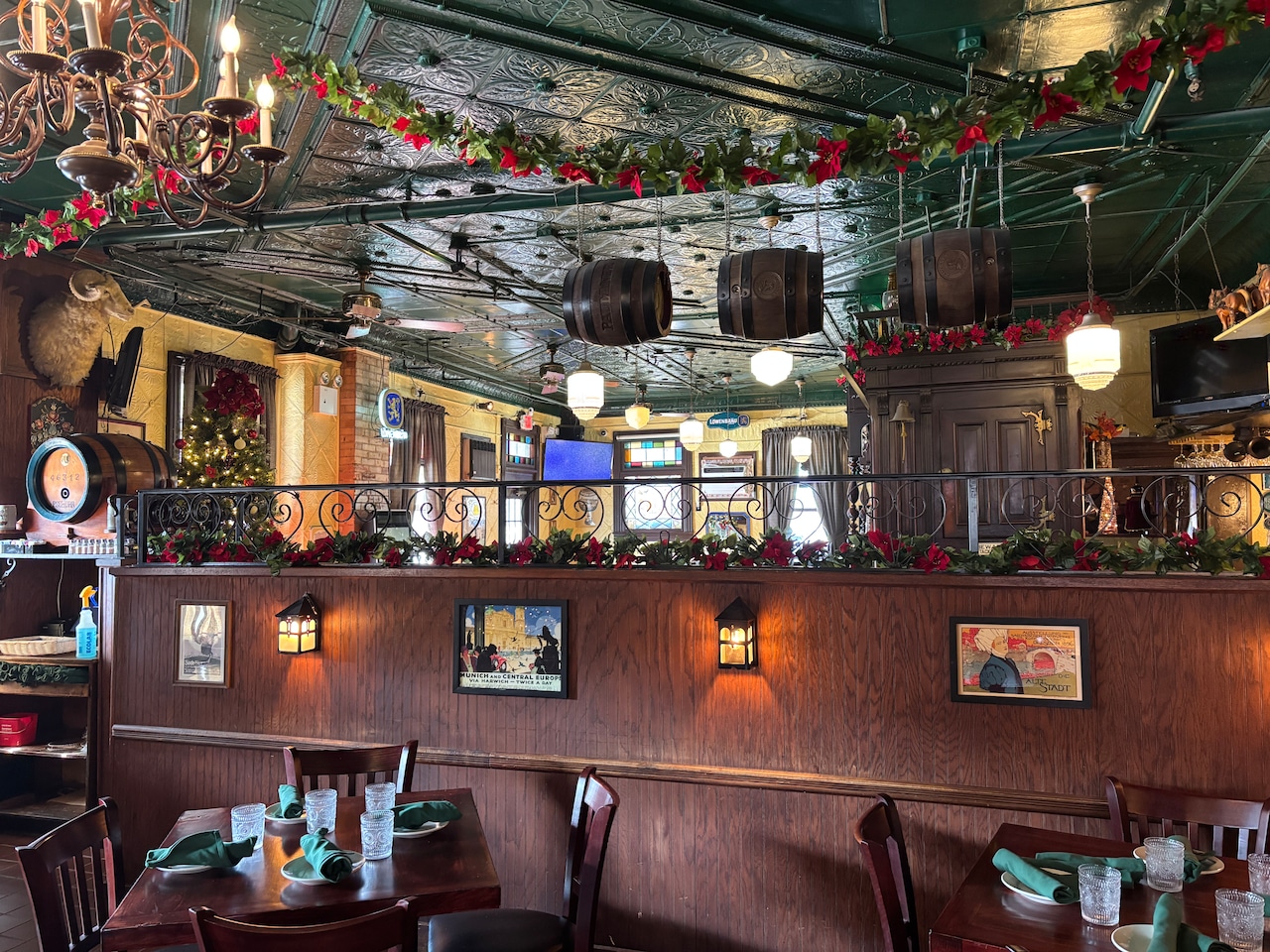
STATEN ISLAND, N.Y. — I’m writing about closures and the tenuousness of the restaurant business on Staten Island—because lately it feels like the only constant in this industry is change. Places open, places close, and favorites disappear overnight. And with that fact in mind, I give you Killmeyer’s Old Bavaria Inn, which doesn’t just stand on Arthur Kill Road—it settles into it.
At 4254 Arthur Kill Road in Charleston, its wood beams, weathered brickwork, and quiet, steady presence have watched the South Shore shift around it for nearly 170 years. In a city where even the new feels temporary, Killmeyer’s is a rarity: New York City’s longest continuously operating tavern, serving beer, schnitzel, and stories since 1855.
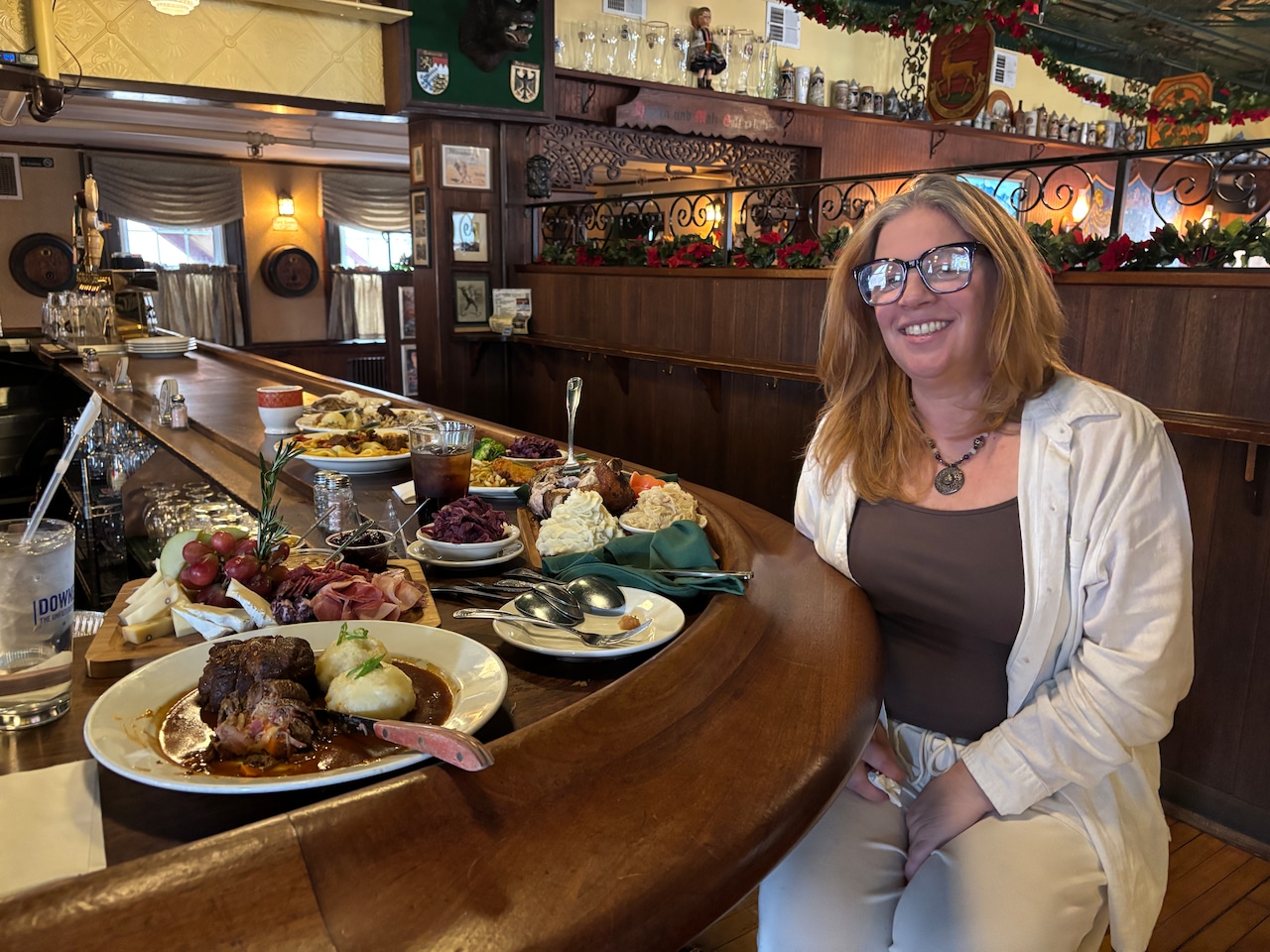 Kim Boschi is a hospice nurse who waitressed for years at the restaurant. She always felt a deep connection for its history. It is a dream come true for her to own it. (Advance/SILive.com | Pamela Silvestri)
Walk through its doors and the past announces itself. The rafters overhead are original. The tin ceilings glow softly in the dining room’s low light. The bar—polished smooth by generations of hands and elbows—still anchors the room with the same weight it carried a century ago.
And thank goodness the food has improved.
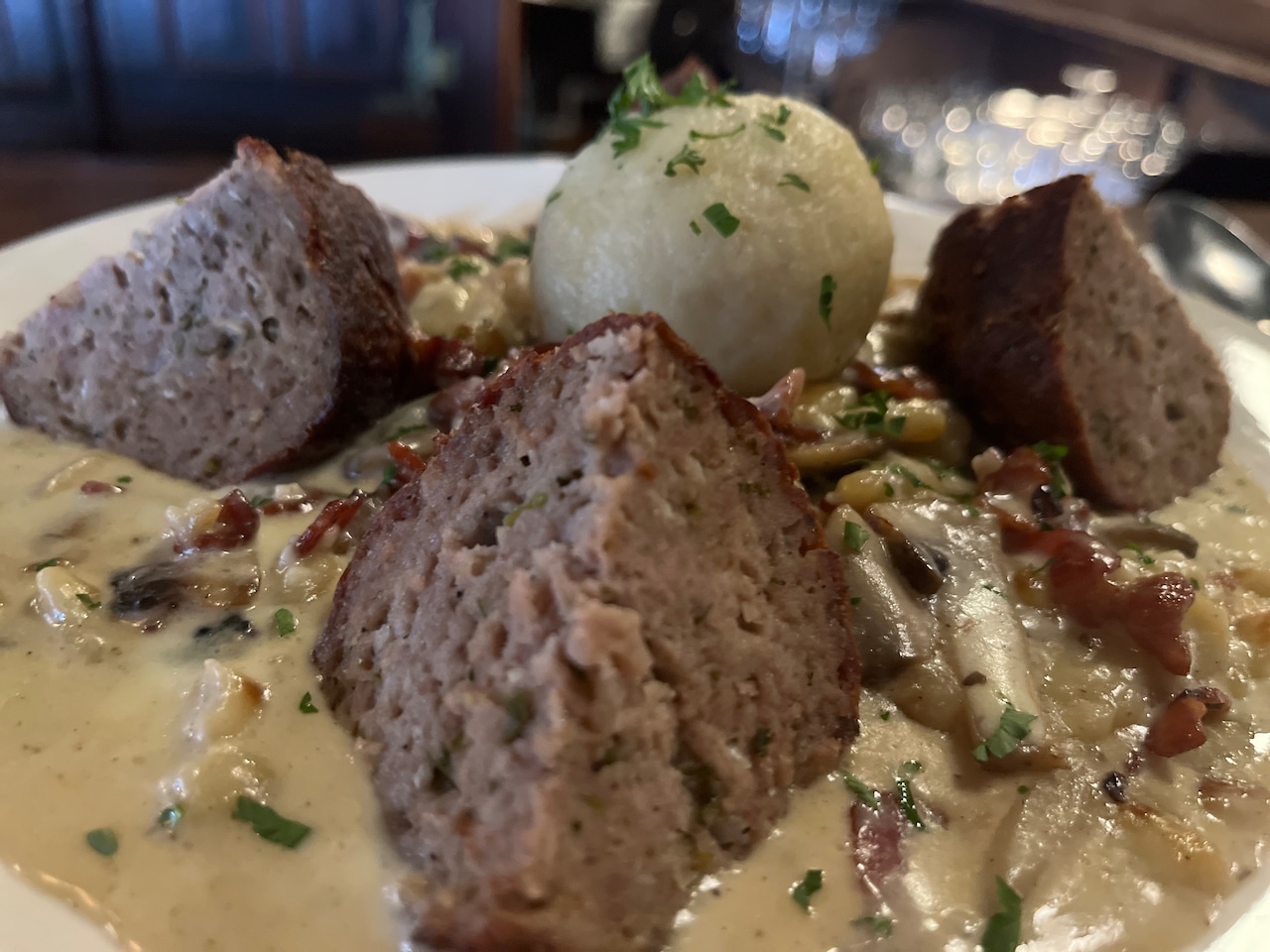 The frikadelle is a meatball sliced into fourths served over hand-made spätzle with a ball of potato dumpling. (Advance/SILive.com | Pamela Silvestri)A culinary time capsule with modern touches
In the kitchen, the heart of the tavern beats much as it always has. The menu is firmly rooted in traditional German comfort food—but with the sort of care and refinement that keeps it from feeling stuck in time. There’s the frikadelle—tender German-style meatballs served with a potato dumpling stuffed with a bit of pretzel—a quiet nod to the old country.
Homemade spätzle are soft and chewy, served either alongside sauerbraten or as the base of a frikadelle entrée prepared almost like a carbonara, yet richer with sautéed mushrooms. Smoked pork chops come with sauerkraut pickled with juniper berries, fragrant and wintry.
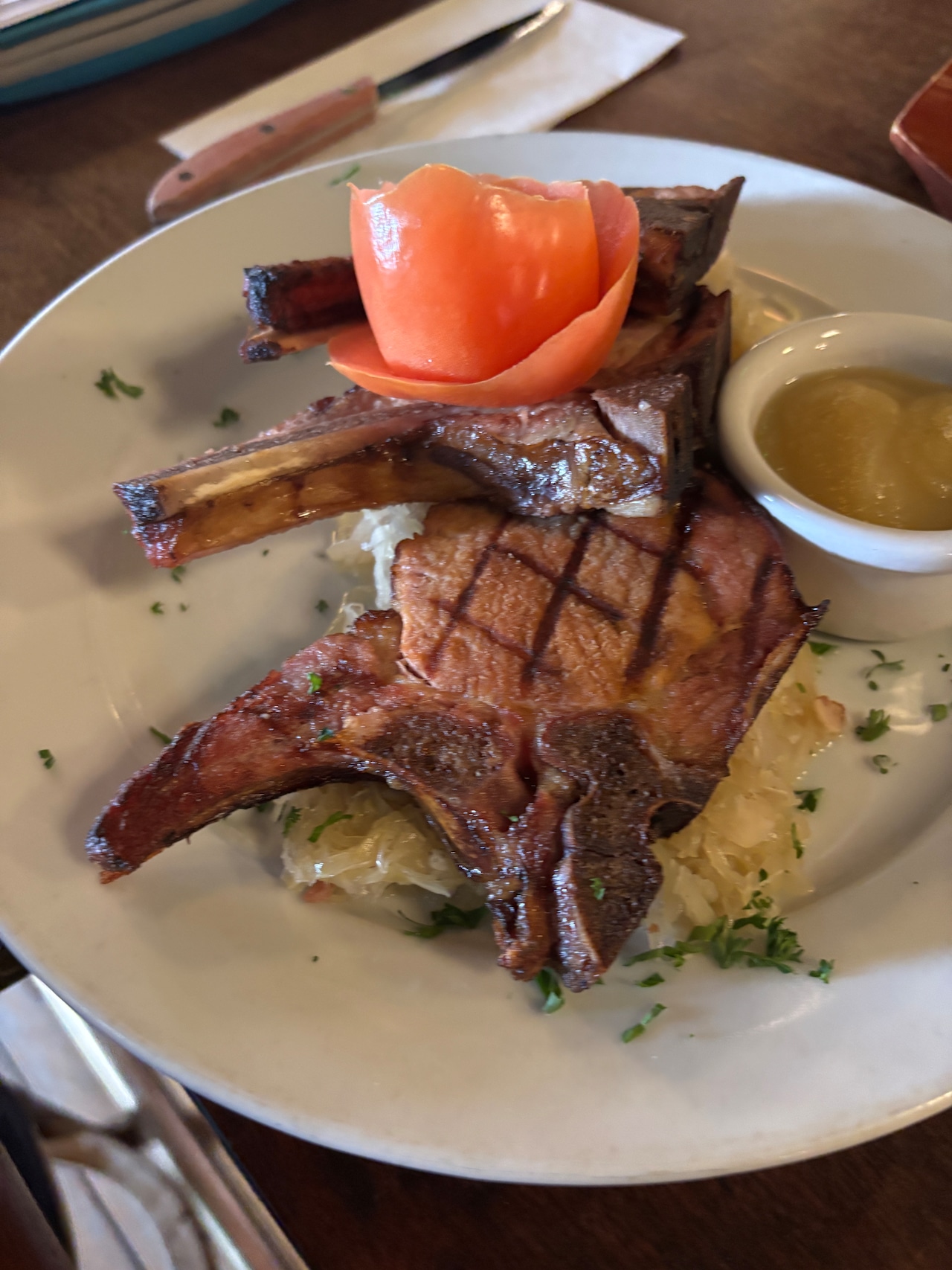 The smoked pork chops are finished on the grill and set atop sauerkraut scented with juniper berries. Applesauce comes on the side. (Advance/SILive.com | Pamela Silvestri)
And then there are the two potato pancakes, each with its own personality. The first is strictly traditional—grated raw potatoes mixed with flour and eggs, pan-fried until the edges crackle and the center stays tender. The second is the playful one: a puffy potato pancake blended with Gruyère cheese, turning the familiar German staple into something richer and more indulgent.
The gravies—naturally gluten‑free, thickened with cornstarch rather than flour—stay true to old‑world methods, an unintentional but welcome gesture for modern diners. There’s a warmth to Killmeyer’s food that matches the building itself: dishes plated without pretense, served in rooms that whisper of another era.
You must try the apple strudel, made from fresh, slightly tart apples. The phyllo dough is buttery and crisp, each layer fragrant with coriander and cinnamon. It comes out of the oven rich and warm, the spices baked straight into the pastry. And it’s even better with the crème anglaise—a silken sauce made with real vanilla beans you can actually taste—plus a scoop of vanilla ice cream that adds a cool, creamy finish. Truly, a must.
 The Inn can be found at the corner of Sharrotts Avenue and Arthur Kill Road.(Advance/SILive.com | Pamela Silvestri)A tavern that has survived everything
Founded by Nicholas Killmeyer, a Bavarian immigrant, Killmeyer’s expanded in 1888 into Killmeyer’s Union Hotel, welcoming travelers moving between rural outposts and ferry landings. It became one of the South Shore’s earliest hotels and weathered every pivot the borough endured—from farmland to factories to the suburban swell that followed the Verrazzano-Narrows Bridge.
Its staying power is remarkable in a borough where restaurants often come and go within the lifespan of a South Shore Popeye’s.
Today, Killmeyer’s stands at another turning point. After nearly 40 years under Ken Tirado’s ownership—a tenure that shaped the tavern’s modern identity—the reins passed to Kim Boschi nearly two years ago. The transition wasn’t smooth. When an initial sale fell through, Boschi and her partner Rob sold their camper to keep the deal alive. It’s the sort of all-in devotion Killmeyer’s seems to demand from the people who understand it best.
“This place is so special, not just to me, but to so many Staten Islanders,” Boschi said. “It’s important for our history and our legacy to make sure it stays here.”
She speaks not like someone who bought a business, but someone who inherited a charge.
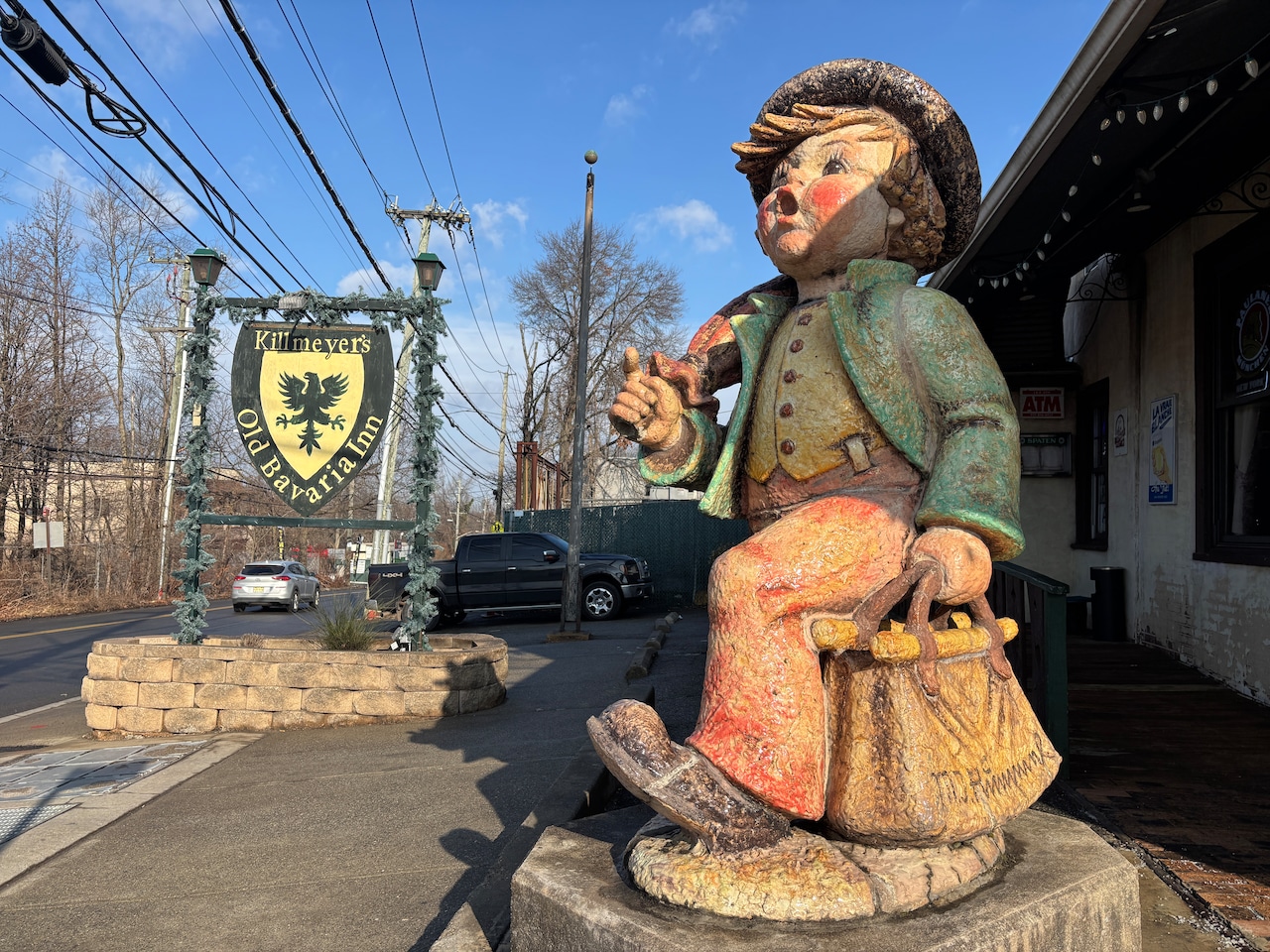 It’s the world’s largest Hummel, a landmark many pass without a second thought. The statue has stood in front of the restaurant since 2012.(Advance/SILive.com | Pamela Silvestri)Honoring the past while ushering in the future
Boschi approaches renovations with a conservator’s instinct. She has updated what needed updating—new chairs, refreshed dining-room seating, renovated bathrooms, upgraded kitchen equipment—without sanding down the tavern’s soul.
“We fix what needs fixing,” she said. “We don’t erase what makes this Killmeyer’s.”
More careful improvements are coming this spring: new windows and doors, a fresh coat of exterior paint, and a revitalized beer garden for regulars who want the tavern feel with open air and sunlight. The goal isn’t reinvention; it’s continuity, says Boschi.
Killmeyer’s annual events have become part of its cultural fabric, and its third annual winter festival—set for Feb. 7 to 8, from 1 to 5 p.m.—follows suit. Expect 18 to 20 local vendors, a traditional pig roast, mulled wine, and German Mardi Gras–inspired craft donuts. It’s the kind of community gathering Staten Island doesn’t have enough of—part street fair, part cultural celebration, part neighborhood reunion.
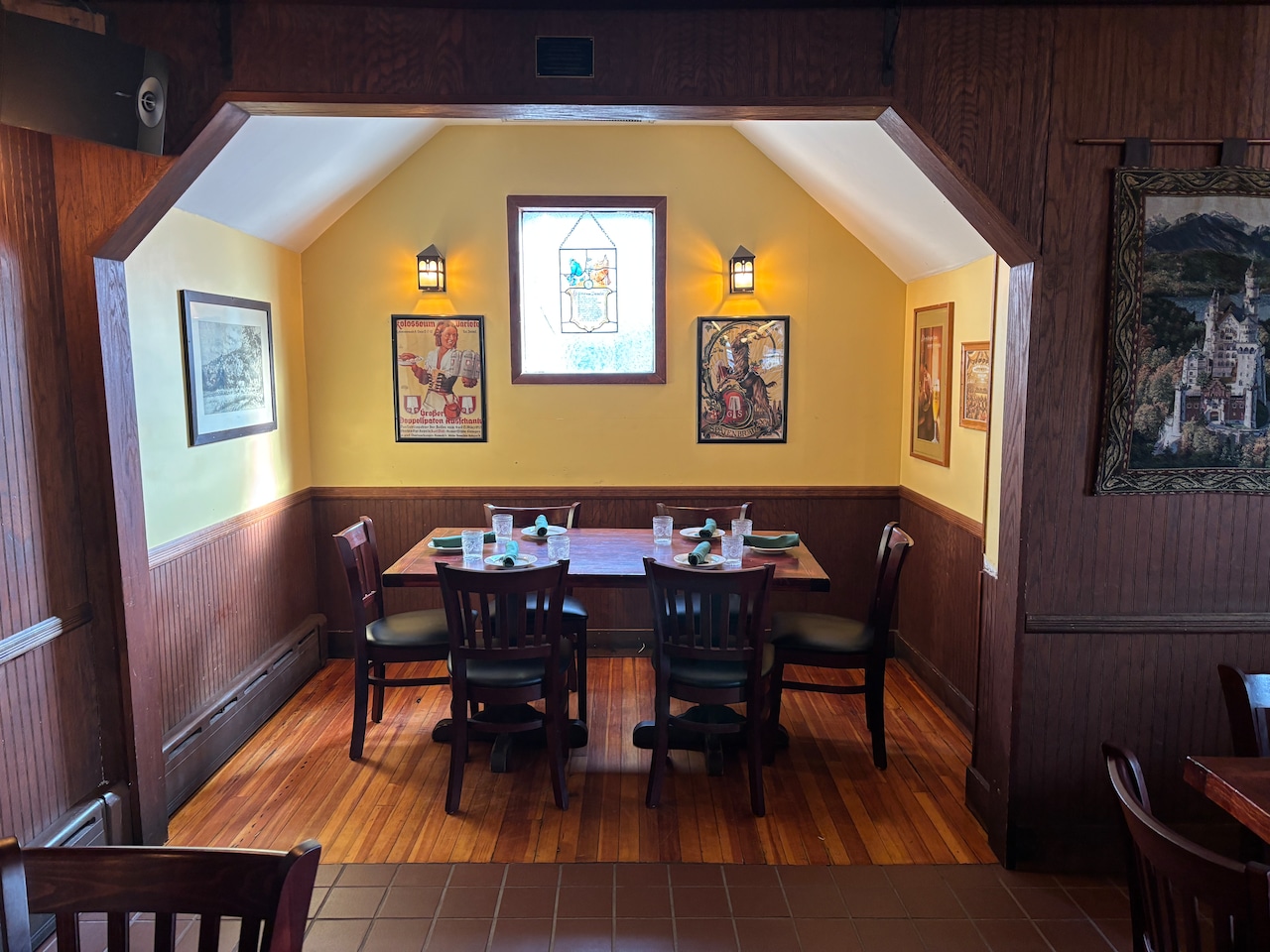 A quiet alcove in the dining room proper at Killmeyer’s. (Advance/SILive.com | Pamela Silvestri)A tavern that lives on in film and memory
Killmeyer’s cinematic charm hasn’t gone unnoticed. The tavern appears in Little Children (2006), Limitless (2015), and The Education of Max Bickford, and directors likely love it because no set designer on earth can fake a place like this. Outside, the towering M.J. Hummel statue—believed to be the largest in the world—stands whimsical and slightly surreal against the tavern’s beige exterior. It’s the sort of oddball detail that makes the place distinctly small‑town Staten Island.
Despite the steady crowd, Boschi still hears the same question: Are you still open? “People saw an article from years ago saying Killmeyer’s was for sale and assumed it closed,” she said. “We’ve been running continuously for decades now.”
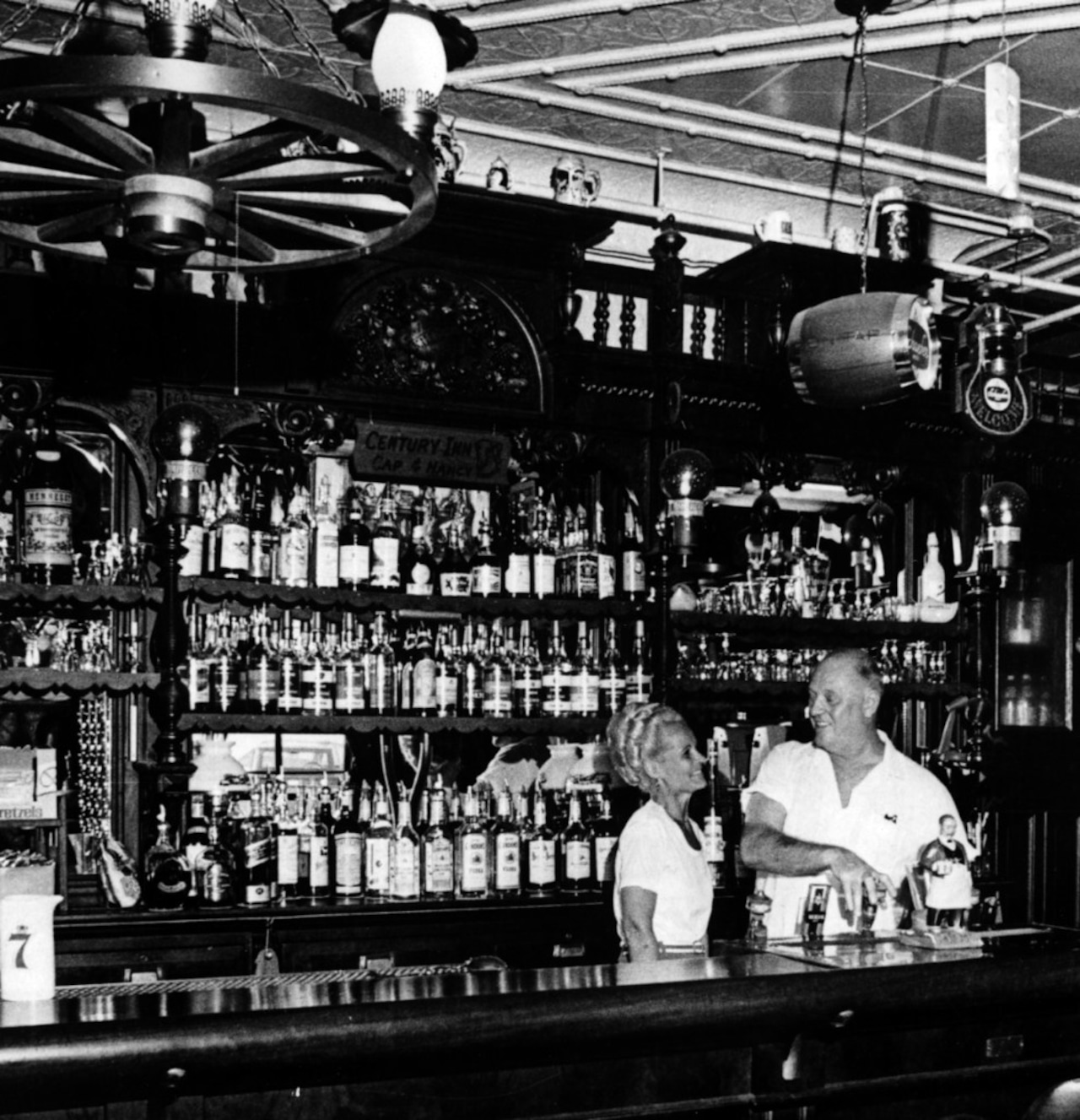 The Century was known as Rube’s until Cap Simonson, shown here with wife, Nancy, renamed it the Century Inn, a name that stuck until at least until 1977. The address is now home to Killmeyer’s Old Bavaria Inn.
Before Tirado, Cap Simonson shepherded the tavern from the 1950s through 1985. Every owner has added a chapter without rewriting the story.
In a borough where beloved eateries disappear with unnerving speed, Killmeyer’s stands almost defiantly rooted in place. It’s more than a restaurant and more than a tavern—it’s a living archive of Staten Island, preserved not behind museum glass but in the everyday rituals of food, drink, music, and connection. You don’t just eat at Killmeyer’s. You inherit a little of its past. And with Boschi and her crew, that past feels secure—protected, respected, and carried forward gently, one renovation and one winter festival at a time.