
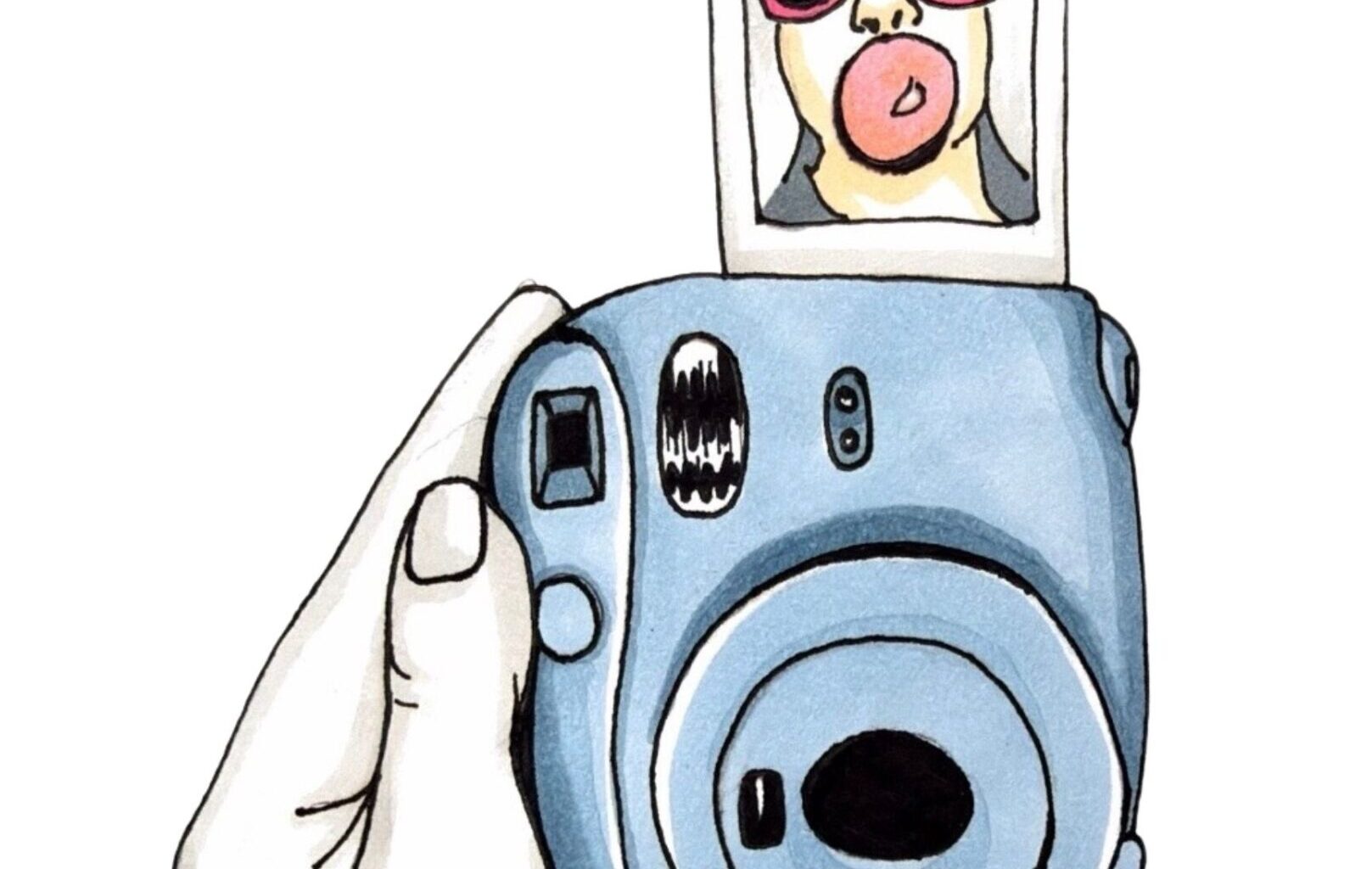
Lately, it feels like 2016 is quietly slipping back into everyday life.
At first, it shows up in small, unnoticeable ways: a scarf worn more for style than warmth, an old pop song resurfacing in a playlist or a throwback video appearing on TikTok. None of it seems significant on its own. But together, the pattern becomes harder to ignore.
Fashion, music and internet culture from nearly a decade ago are suddenly everywhere, and people are leaning into it with surprising enthusiasm.
Our social media feeds are filled with decade-old photos, familiar songs and early internet aesthetics that once defined the 2010s. The phrase “2026 is the new 2016” captures the shared feeling better than it makes a literal comparison.
People aren’t just revisiting the year 2016 — they’re romanticizing the mindset that came with it.
For many, 2016 represents a time when everything felt so heavy. It was pre-Trump, pre-pandemic and pre-constant doom scrolling. Posting on social media didn’t require perfect lighting, strategic timing or a clever caption crafted for likes. People seemed less afraid to be awkward, less concerned with perfection and less aware of how closely they were being watched.
The world felt more colorful and spontaneous then. Today, it can feel gray and muted by comparison. The constant rush of life, paired with an endless stream of bad news, leaves little room for genuine whimsy.
In 2016, moments were shared because people wanted to share them — not because they felt pressure to maintain an online presence or personal brand.
In that sense, life felt simpler. Less curated. Less exhausting. More genuine.
Fashion is one of the most visible signs of this nostalgia. On campus and online, students are wearing 2016 staples like scarves and skinny jeans — not as a joke, but as genuine outfit choices. After years dominated by minimalist trends and neutral palettes, the return of these looks feels familiar and comforting.
Music from that era is also making a comeback. Songs that once dominated car rides, school dances and early streaming playlists are resurfacing and gaining renewed attention. Videos of people dancing to Zara Larsson’s “Lush Life” circulate online, while tracks like The Weeknd’s “Can’t Feel My Face” are once again blaring from car speakers during drives with friends.
According to Spotify data, playlists featuring songs from 2016 rose 71% last year compared to 2024. Other major artists from that era, including Justin Bieber and Drake, are also regaining popularity.
The appeal lies not only in the sound but in the memories attached to it. Hearing these songs again triggers shared reactions, especially among people who grew up with music constantly playing in the background of their lives. The familiarity creates an instant sense of connection.
That doesn’t mean 2016 was actually simple or problem-free. Like any year, it came with political tension, cultural shifts and uncertainty. Nostalgia, however, rarely focuses on complexity. Instead, it highlights the parts that felt joyful, communal and uncomplicated.
On Lehigh’s campus, this nostalgia appears in small but meaningful ways. Students share memories of 2016 trends like the Mannequin Challenge set to Rae Sremmurd’s “Black Beatles,” Pokémon Go, black chokers, Snapchat filters and Vine. Even brief references to these moments spark smiles and recognition.
Those who remember 2016 look back fondly on the shared culture that created a sense of connection — something that feels increasingly rare in today’s fast-paced digital world.
There’s also something comforting about revisiting trends that once allowed people to embrace a little awkwardness. Fashion and internet culture in the 2010s encouraged bolder, more playful self-expression. Compared with today’s perfection-driven standards, that openness feels refreshing.
This wave of nostalgia isn’t an attempt to recreate 2016 exactly as it was. Instead, it reflects a desire for authenticity, connection and ease in a world that often feels overwhelming. Students balancing academics, social lives and uncertain futures are drawn to reminders of a time that felt “easier,” even if only in hindsight.
Eventually, this trend will fade, and another era will take its place in the nostalgia cycle.Trends always come and go. But the comfort of shared memory tends to linger a little longer.
While we can’t go back, we can let the loud colors, familiar songs and unfiltered spirit of 2016 seep into our lives — adding a bit more brightness and playfulness to the present.