
Officials say walking on a frozen river puts the person walking and the first responders at great risk. The warning comes after dozens of people were spotted walking on the ice along the Allegheny River. “I don’t think that the immediate public understands the dangers of walking along on the ice. It takes about 4 to 5 inches of solid ice to be able to hold an adult person. And there’s no way to tell the thickness of the ice and which place the ice is thicker or thinner. At any time, you can slip, fall, break through the ice, get submerged under water,” Pittsburgh EMS Chief Amera Gilchrist said.The water underneath the ice is still fast-moving and can change the makeup of the ice slabs quickly. “It’s crazy because you just don’t know if there’s going to be a thin spot on the ice where you can fall through,” Charles Caruso said as he walked on the river walk. “And then if it’s a little spot and you get down, what if you go somewhere and you can’t find the hole you went through.”Crews have seen dozens of people, including small children, walking out onto the frozen Allegheny River. Some have said they believe it is safe because the water underneath does not appear to be very deep. First responders said the danger increases quickly once someone falls in. “It takes seconds when someone who is not expecting to fall through the ice, you start hyperventilating, you may start gasping for air,” Gilchrist said. “Your body heat is trying to get to your core to keep your organs and things warm for survival. So it takes minutes. And those minutes are if you’re able to keep yourself afloat and not be submerged. If you’re submerged and you get swept downstream, that’s an even worse scenario.”Even trained rescue divers face serious risks. Officials said divers train for years and typically need at least six months of preparation before entering non-frozen rivers. Ice rescues take more time because crews must break through the ice, and even with protective gear, divers are at risk of hypothermia.
PITTSBURGH —
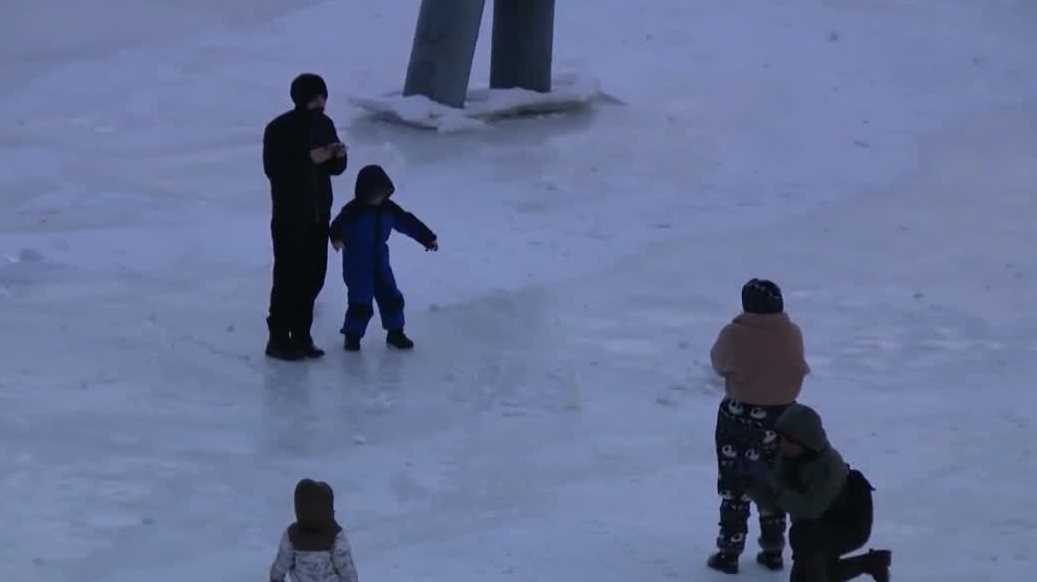
Officials say walking on a frozen river puts the person walking and the first responders at great risk. The warning comes after dozens of people were spotted walking on the ice along the Allegheny River.
“I don’t think that the immediate public understands the dangers of walking along on the ice. It takes about 4 to 5 inches of solid ice to be able to hold an adult person. And there’s no way to tell the thickness of the ice and which place the ice is thicker or thinner. At any time, you can slip, fall, break through the ice, get submerged under water,” Pittsburgh EMS Chief Amera Gilchrist said.
The water underneath the ice is still fast-moving and can change the makeup of the ice slabs quickly.
“It’s crazy because you just don’t know if there’s going to be a thin spot on the ice where you can fall through,” Charles Caruso said as he walked on the river walk. “And then if it’s a little spot and you get down, what if you go somewhere and you can’t find the hole you went through.”
Crews have seen dozens of people, including small children, walking out onto the frozen Allegheny River. Some have said they believe it is safe because the water underneath does not appear to be very deep.
First responders said the danger increases quickly once someone falls in.
“It takes seconds when someone who is not expecting to fall through the ice, you start hyperventilating, you may start gasping for air,” Gilchrist said. “Your body heat is trying to get to your core to keep your organs and things warm for survival. So it takes minutes. And those minutes are if you’re able to keep yourself afloat and not be submerged. If you’re submerged and you get swept downstream, that’s an even worse scenario.”
Even trained rescue divers face serious risks. Officials said divers train for years and typically need at least six months of preparation before entering non-frozen rivers. Ice rescues take more time because crews must break through the ice, and even with protective gear, divers are at risk of hypothermia.