
In her first semester last fall as a professor in Lehigh’s architecture and design department, Mallory Kimmel brought her ideas to life both inside and outside the classroom.
Kimmel’s career path was anything but linear. She entered college thinking she would become an animal conservationist. Her interest in science never disappeared, but she said studying art and design in college offered a way to engage with issues such as climate change without the barriers of technical language.
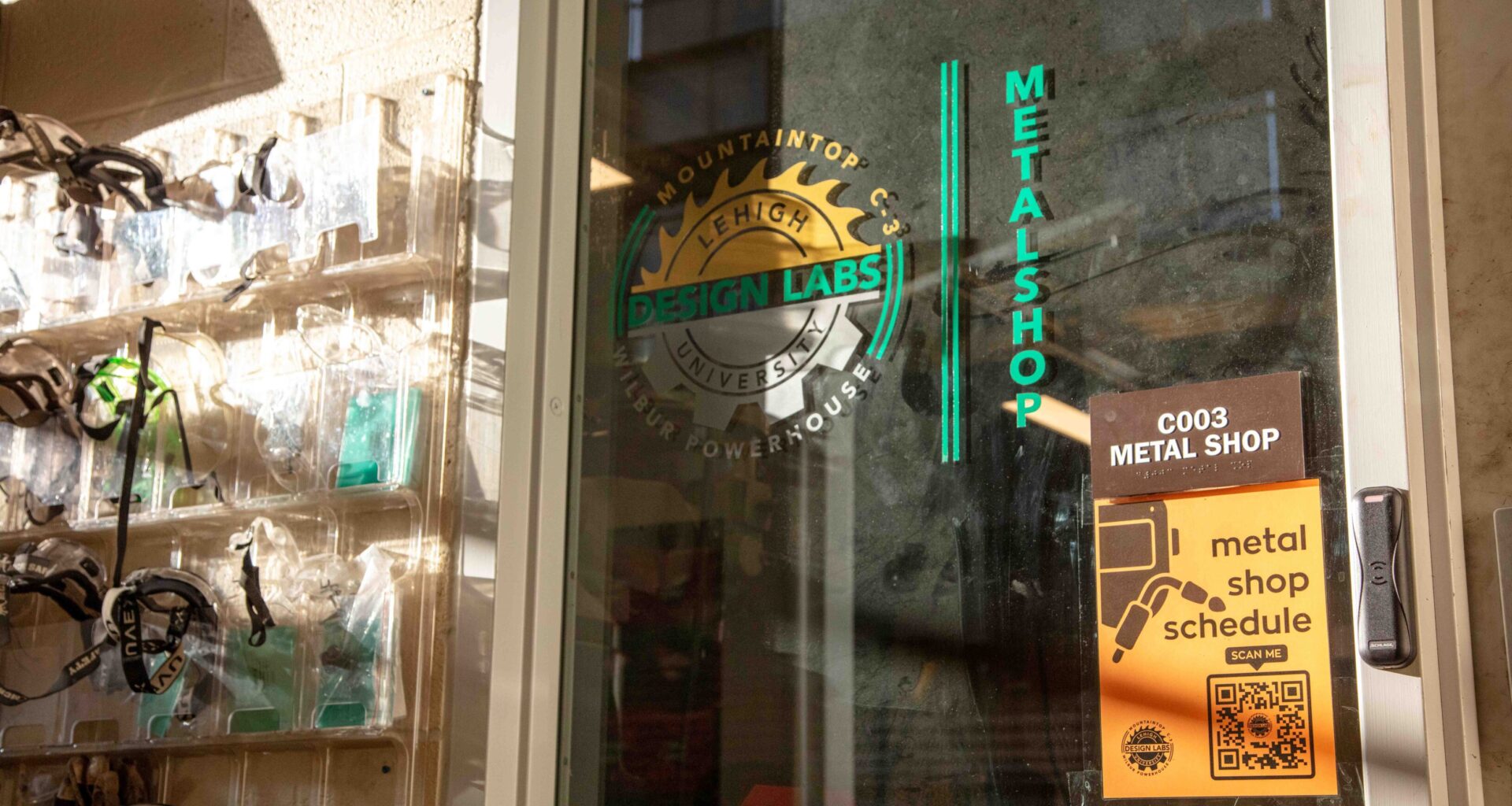
Kimmel fuses science and art, working to make imagination a reality through the 3D Design Labs on Mountaintop. Since arriving at Lehigh, she’s built a classroom environment centered on experimentation, collaboration and accessibility.
“If you can think about it, I want students to find a way to make it real,” Kimmel said.
Her courses emphasize hands-on learning alongside conceptual thinking. Students move from early projects, such as creating chipboard replicas of everyday objects, to more complex projects involving laser cutting, woodshop fabrication and speculative design.
One final project, called the “Future Artifact,” asks students to imagine an object that doesn’t currently exist but might decades from now.
For many students, Kimmel’s teaching style stands out for how encouraging and approachable it feels.
Meritt Reynolds, ‘28, was a student in Kimmel’s 3D class last semester. She said Kimmel’s incredibly passionate and that her enthusiasm transfers to her students.
“She pushes us creatively, but in a way that feels inspiring from both her work and attitude,” Reynolds said.
Reynolds also emphasized how accommodating Kimmel is outside of class and said she’s willing to discuss ideas, give feedback and engage with topics that most excite students.
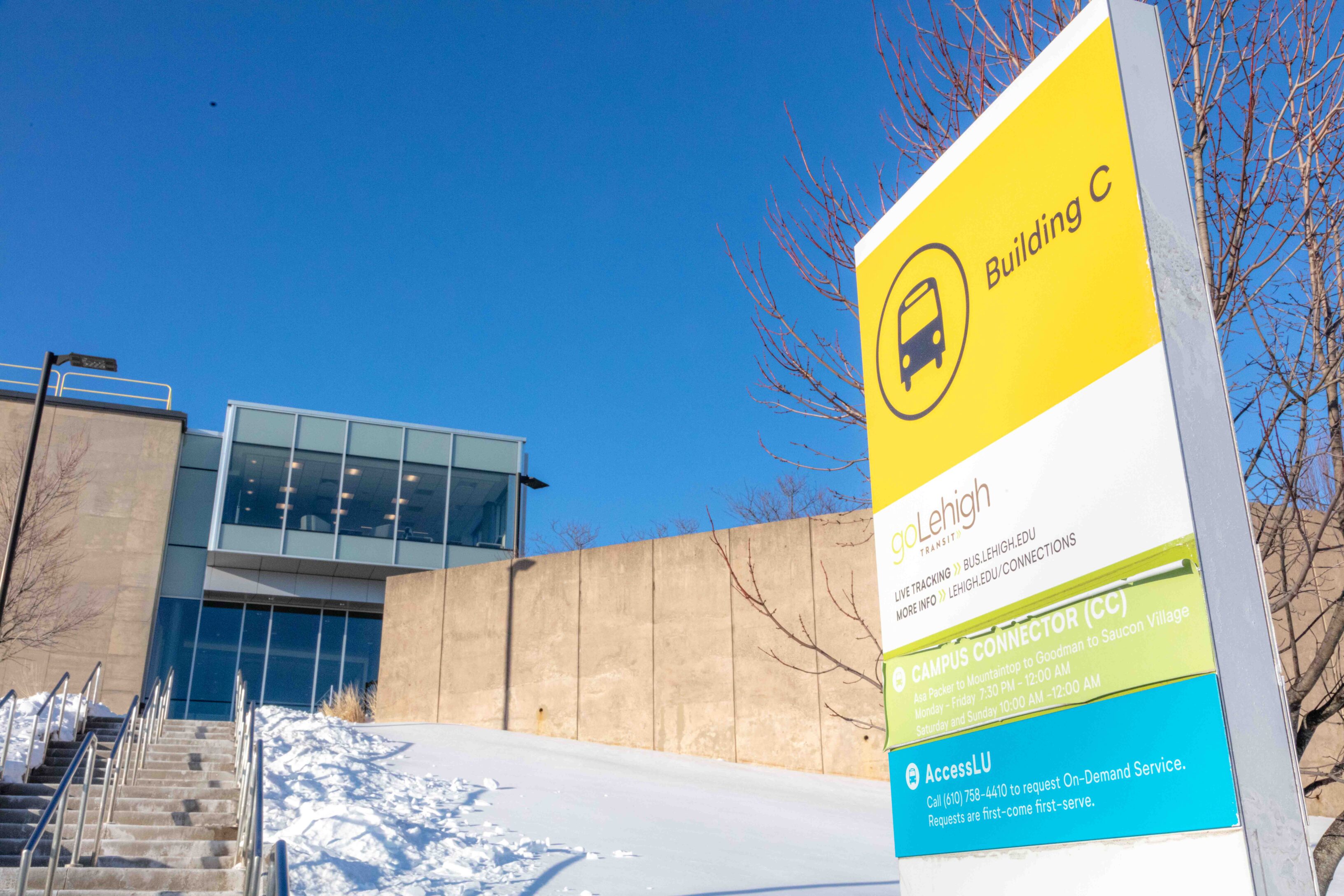 Mountaintop Campus Building C is pictured amid the snow on Monday, Feb. 2. Building C is primarily home to design, architecture, and classes for other creative disciplines. (Griffin Sawyer/B&W Staff)
Bentzi Finegold, ‘28, said Kimmel’s investment in her students goes beyond coursework.
He said Kimmel’s openness creates a classroom community where students feel comfortable asking questions and taking creative risks.
“She’s very invested in us as students and as emerging professionals,” Finegold said. “It feels like she’s genuinely on our side.”
Kimmel said fostering a welcoming community ensures her classroom environment encourages collaboration. She views the studio as a shared space where students not only learn from her, but from one another.
“These students are peers for life,” Kimmel said. “They’re going to leave here and work in the same industries, so building that studio community really matters.”
Kimmels’ students are restricted from using headphones while working in class, which has led to them to sing together and form a bond within the design studio.
She works closely with staff in the 3D Design Labs, ensuring students learn safe practices while gaining confidence with professional tools.
Kimmel is also involved in other campus initiatives, including the Finals Fuel event on Mountaintop, which offers students food, space and support during finals week. While not directly tied to her courses, the event reflects her devotion to students, even during stressful times.
At the core of Kimmel’s teaching philosophy is the belief that strong design is about communication, not just aesthetics. Kimmel said she believes if a student’s work is strong enough, it will have a life of its own.
For students such as Reynolds and Finegold, that mindset has reshaped how they see themselves as designers.
“She encourages students to not limit their ideas,” Reynolds said. “She helps you bring crazy ideas into reality — and leave with something you get a lot of satisfaction out of.”