
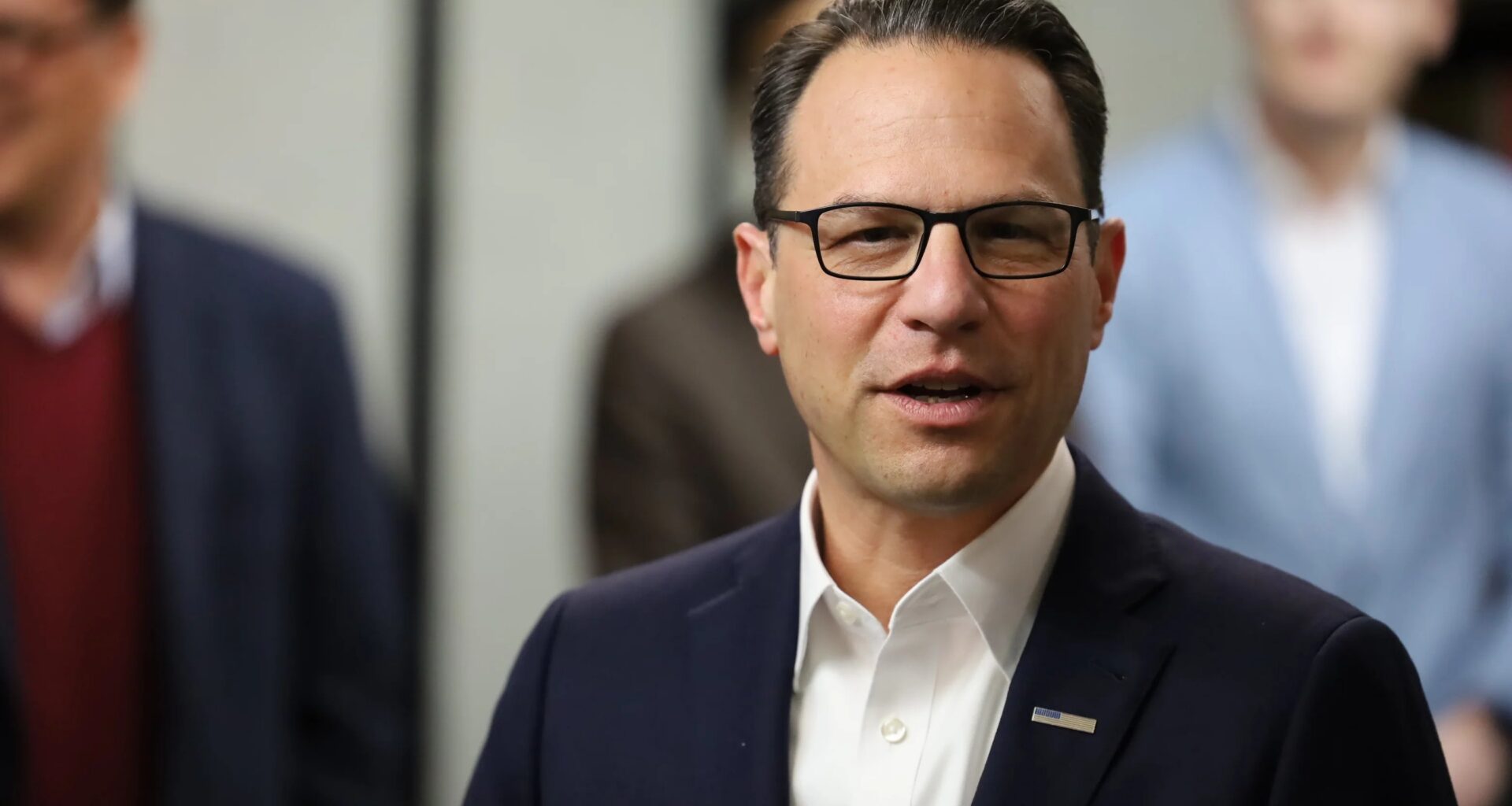
Reaction to Shapiro’s plan to lower electricity rates
Community Legal Services attorney Rob Ballenger represents PECO customers who have suffered electricity shutoffs. He said shutoffs can be devastating.
“Our clients can get displaced from their homes,” said Ballenger. “They can be required to place their children with relatives or be involved with DHS potentially, and there’s research that really highlights that these kinds of disruptions cause lasting mental and physical health risks.”
Ballenger said shutoffs can also be life-threatening and hopes to work with lawmakers on legislation to carry out the governor’s plans.
POWER Interfaith, a climate and racial justice organization, said the organization is “cautiously optimistic” about the governor’s plan.
“We welcome the Governor’s commitment to hold giant utility companies accountable for raking in huge profits while raising our utility bills and failing to do enough to reduce the reliance on fossil fuels,” said POWER’s Sara Melton in a statement. “Communities deserve a real seat at the table when decisions affect their air, their water, and their monthly bills.”
PECO defended its practices, saying in a statement its plans to invest about $10 billion in infrastructure upgrades over the next five years will improve reliability.
“Investments like these have resulted in service reliability ranking PECO among the best in the nation as benchmarked against our peers, and as our performance during Winter Storm Fern showed, a resilient, well-funded grid is essential when customers need it most,” the statement read. “These investments also drive economic growth and support thousands of local jobs.”
Pennsylvania’s deregulated energy market allows independent producers to supply electricity. It also decouples energy production from distribution as a way to encourage more competition, something the electric utilities have been seeking to reverse.
PECO’s statement pointed to independent suppliers, saying their profits should also be scrutinized. The company encouraged “accelerating new power plant connections, expanding solar and battery storage, and exploring utility-generated energy to serve as a potential backstop solution to meet growing energy demand.”
Shapiro also pointed to his set of energy proposals announced last year called the Lightning Plan, which includes green energy tax credits and increases the amount of renewable energy utilities would be required to tap. Conservative critics have rejected the push for renewables as an additional tax and say Pennsylvania needs to build more power plants to replace retiring coal and natural gas facilities.
“We’re very concerned that the governor’s proposals would actually make electricity more unaffordable and less reliable,” said Elizabeth Stelle, a policy analyst with the Commonwealth Foundation. “It will have exactly the opposite impact of what he claims.”
Stelle said renewable energy projects are expensive to build and would not be enough to replace the loss of baseload power from fossil fuel plant closures.
Stelle said in addition to data centers, electrification efforts, including EVs, have put additional demand on the grid.
“What we want to see is more reliable generation added to the grid,” said Stelle. “So if that means coal, fine, if that’s gas, fine. If someone has a way to improve the efficiency of batteries and we can run solar so that it can be a 24/7 resource, great.”
“We’re more concerned with special tax incentives, those types of corporate welfare handouts to a favorite industry,” Stelle added.
The Public Utility Commission said in a statement that it will continue to “review and scrutinize the operations of all regulated utilities and looks forward to working with the Governor and the General Assembly on shared goals to assist all Pennsylvanians.”