
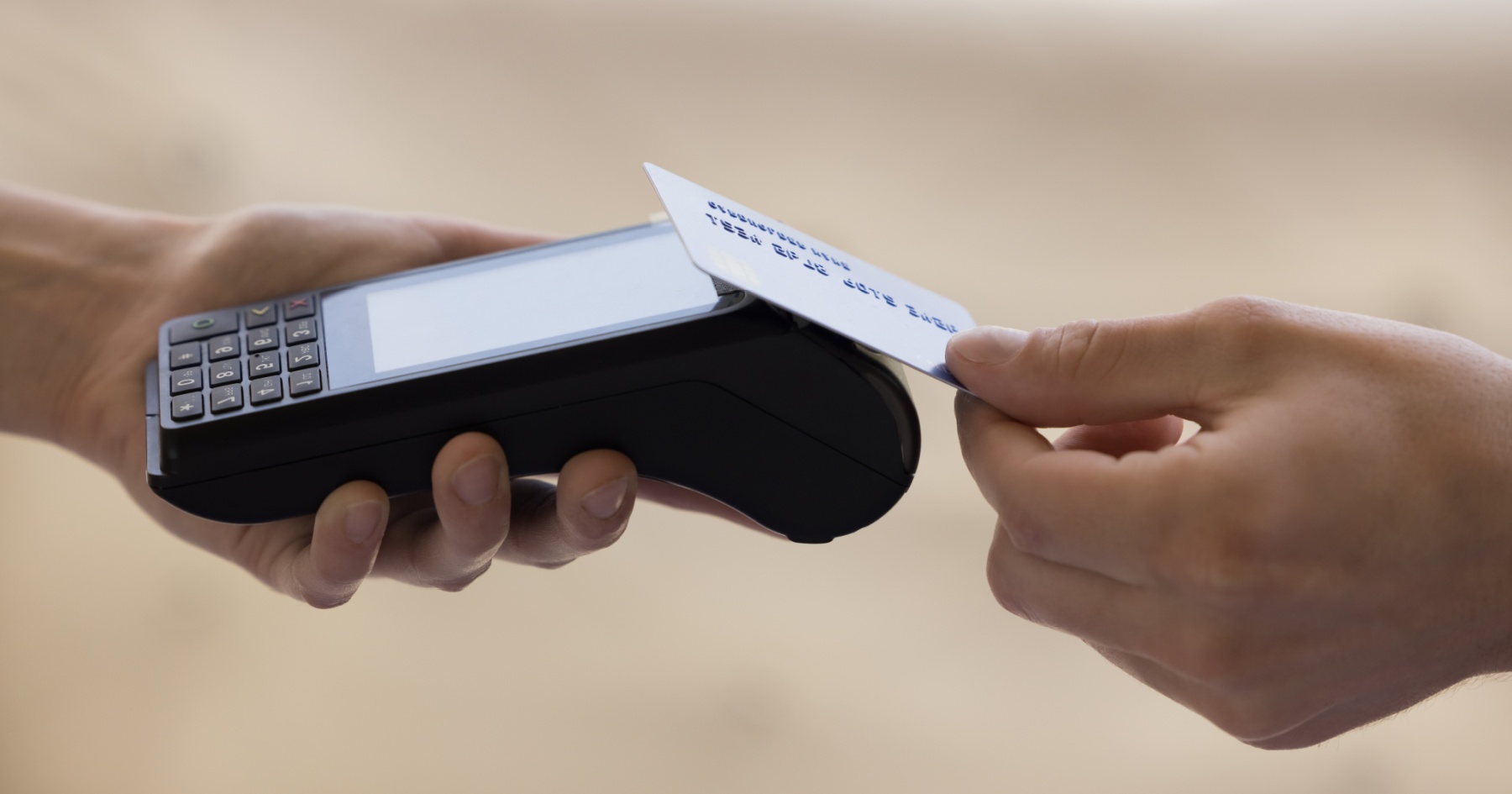
Pennsylvania advanced targeted swipe-fee relief for retailers. | Shutterstock
The Pennsylvania House Finance Committee moved legislation forward on Wednesday that would prevent credit card companies from charging interchange fees on the sales tax portion of retail transactions, according to the Pennsylvania General Assembly.
House Bill 2090 is a proposal backed by the Pennsylvania Food Merchants Association (PFMA) that aims to ease a long-standing cost burden for food retailers and convenience stores operating on thin margins.
Under current payment card rules, retailers pay swipe fees on the full value of a transaction—including sales tax, which merchants collect on behalf of the state and never retain. The bill would bar card networks from assessing interchange fees on that tax portion, a change PFMA and other merchant groups say would provide modest but meaningful relief for high-volume, card-dependent retailers.
“For food retailers operating on razor-thin margins, being charged swipe fees on sales tax is fundamentally unfair,” PFMA President and CEO Alex Baloga said in a statement following the Pennsylvania House Finance Committee’s vote on Wednesday to advance House Bill 2090.
The bill targets what merchant groups describe as a lack of competition in the credit card marketplace, where Visa and Mastercard account for more than 80% of transactions nationwide. While House Bill 2090 does not restructure the broader payments system or eliminate swipe fees entirely, it would carve out a specific exemption tied to sales tax collected in Pennsylvania, according to the Pennsylvania General Assembly.
For convenience store operators—many of whom process thousands of small-ticket, card-based transactions each day—the sales tax carve-out could translate into lower overall payment acceptance costs, particularly in categories like tobacco, packaged beverages and prepared food.
Beyond the sales tax provision, the legislation includes additional protections for merchants in disputed transactions, according to the assembly. HB 2090 would prevent penalty fees from being imposed until liability is formally determined, addressing complaints from retailers about fees being assessed before chargebacks are resolved.
The bill also reinforces merchants’ ability to engage in lawful pricing practices, including how discounts or surcharges are advertised, limiting the ability of card networks to restrict those practices through network rules.
Enforcement under HB 2090 would apply only to payment card networks and would be handled by the Pennsylvania Attorney General’s office, the assembly said. Banks and credit unions would not be subject to enforcement actions under the bill.
The committee vote does not make the measure law, but it moves the proposal further along in the legislative process as states increasingly pursue their own swipe-fee policies while federal reform remains stalled, the assembly said. At the national level, retailers continue to push for passage of the Credit Card Competition Act, which would introduce routing competition among card networks but would not directly cap or eliminate interchange fees.
PFMA said it plans to continue working with lawmakers to advance HB 2090 in the House.
Illinois was the first state to enact a swipe-fee exemption tax on tips with the Interchange Fee Prohibition Act that prohibits card networks and processors from charging swipe fees on the portions of transactions attributable to sales tax, local taxes, and gratuities/tips, according to the Illinois General Assembly (ILGA). It was approved in 2024 and is intended to go into effect in July.
Other states, such as North Carolina, Connecticut, California, New York and Arizona, have introduced or are considering legislation at banning swipe fees on sales tax and gratuity.
Members help make our journalism possible. Become a CSP member today and unlock exclusive benefits, including unlimited access to all of our content. Sign up here.