
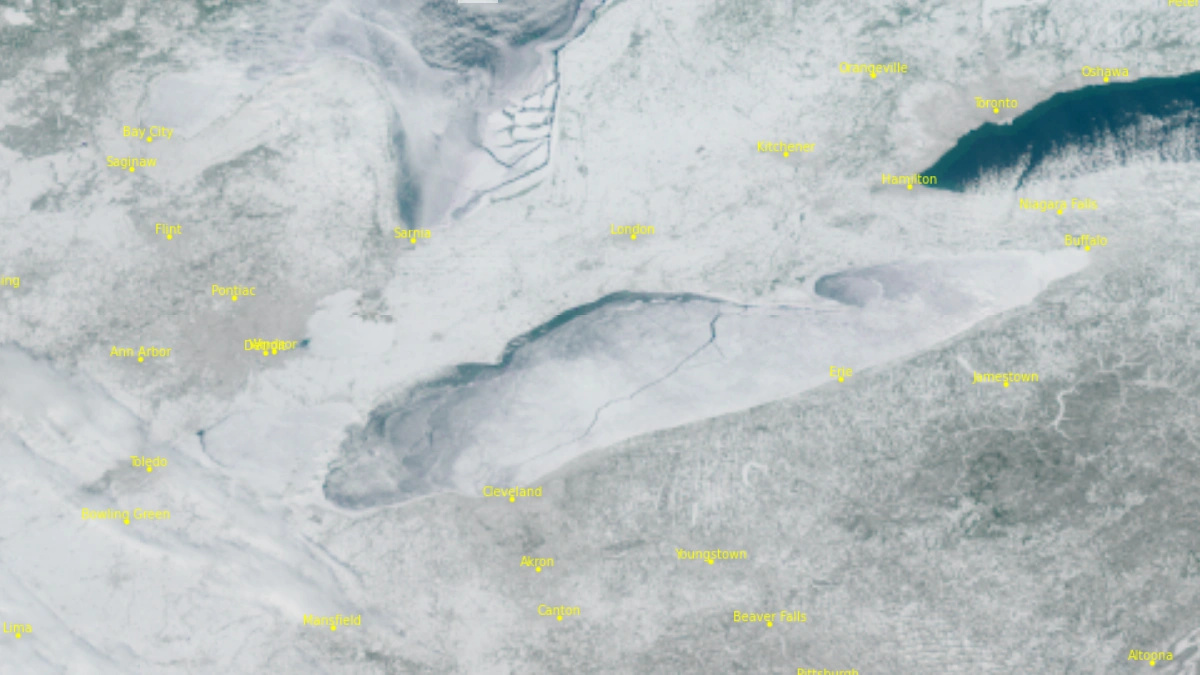
A nearly 130 km (80 miles) long crack appeared on Lake Erie on February 8 after sub-zero temperatures drove ice cover to 96%, the highest level since 1996.
More than 96% of Lake Erie was frozen over by February 5. This was the highest ice cover for Lake Erie since 1996, when ice cover had reached nearly 100%, according to the Great Lakes Environmental Research Laboratory (GLERL).
Lake Huron was at 74.8%, while 52.7% of Lake Superior was covered with ice. Lake Michigan and Lake Ontario had a coverage of 36.5% and 19.7%, respectively.
Satellite imagery acquired by NOAA/GOES-19 shows that the crack began to appear at approximately 15:00 UTC on February 8 and continued to increase in length throughout the day.
A large crack formed over ice on Lake Erie on February 8, 2026. Credit: NOAA/GOES-19, RAMMB CIRA, The Watchers
The crack has created hazardous conditions for anyone on the ice. Local meteorologists warn of “911 cracks,” a term for large, unstable fractures that signal an emergency risk of the ice breaking apart completely and drifting on wind or currents.
The threats are especially acute near the Lake Erie Islands and shorelines, where winds expected to increase on Tuesday, February 10, could further widen the gaps. Authorities, including the U.S. Coast Guard and the National Weather Service, strongly advise against venturing onto the ice, despite the lake’s extensive ice cover.
Ice fishing, ATV travel, and exploring popular shoreline features such as ice caves and ridges, some over 4.5 m (15 feet) high and featured in viral videos, pose the greatest risks. Such formations often overhang open water and can collapse suddenly, while falling through a crack into Lake Erie’s frigid depths (around 0–4°C or 32–39°F) leads to rapid hypothermia.
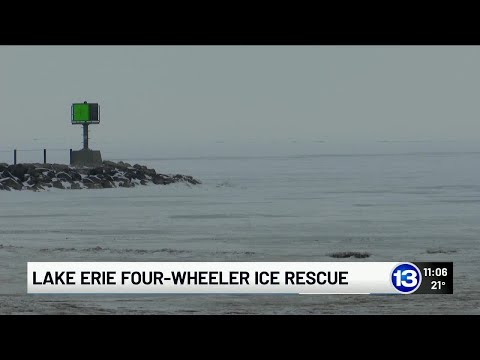
Recent incidents involved vehicles breaking through similar ice, prompting repeated rescue warnings. On February 3, a four-wheeler broke through a crack near Port Clinton, plunging two ice fishermen into frigid waters; Ottawa County Sheriff’s deputies used a SHERP all-terrain vehicle to rescue them after they became hypothermic.
Days earlier, another ATV smashed through 12–15 inches of ice about seven miles offshore, with the rider saving his companion before authorities extracted them using heavy equipment.
The rapid freeze followed prolonged intrusions of Arctic air, associated with disruptions in the polar vortex, which contributed to widespread winter storms across the United States in January.
More than 56% of the Great Lakes were frozen by February 5, a significant increase from the 15.5% coverage just three weeks earlier.
Videos of the frozen lake’s shoreline and ice mountains exceeding 6 m (20 feet) have been circulating on social media.
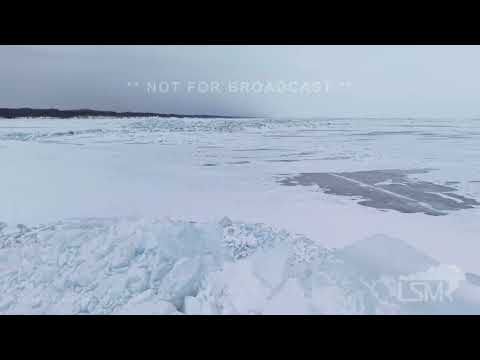
“It’s not surprising to see the high ice cover we have in Lake Erie; it’s just that we’ve been having more frequent less ice in the lake,” said Mike McKay, a Great Lakes scientist at the University of Windsor’s Great Lakes Institute for Environmental Research (GLIER), which collaborates closely with GLERL, in an interview with Spectrum Local News.
McKay said that what caught him off guard was how quickly the lake went from 1% frozen on January 14 to its current state.
The freezing over of the lakes has been somewhat beneficial for the region, bringing relief from the heavy lake-effect snow that affected the region through January and at times created life-threatening travel conditions.
Lake-effect snow forms when cold air passes over relatively warm, open waters of the Great Lakes, creating intense snow bands that can rapidly reduce visibility and make travel extremely hazardous when combined with strong winds. Extensive ice cover cuts off the moisture supply from the lake surface, substantially reducing the potential for lake-effect snowfall.
According to the current forecast by NOAA, Lake Erie will remain largely ice-covered through the coming week, limiting open-water wave activity. A strong area of high pressure will keep winds light through February 9, before a warm front followed by a cold front crosses the region on February 10.
The freeze resulted from cold Arctic air driven by a disrupted polar vortex over the North Pole. The disruption triggered the deadliest winter storm in the U.S. since the 2021 Texas Power Crisis, with more than 100 fatalities reported.
Read more: