
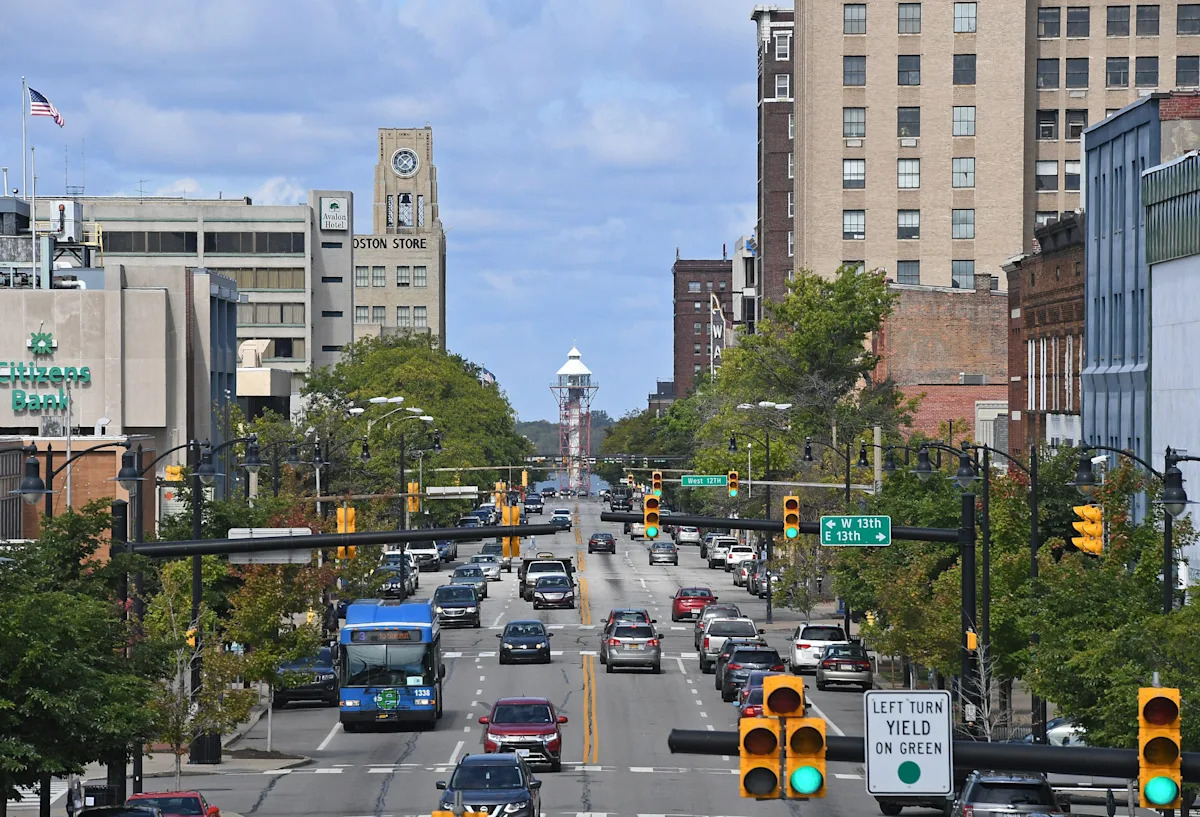
The American Community Survey provides a window into the city of Erie’s demographics and current lack of population growth.
The ongoing survey, from the U.S. Census Bureau, provides regular data about the nation and its communities, providing a broad range of data about the social, economic, housing and demographic characteristics of the U.S. population.
More: Erie County population is dropping and aging, U.S. Census survey shows
The American Community Survey released five-year data for the U.S. in late January, a five-year estimate of population across the country, including Erie, from 2020 to 2024.
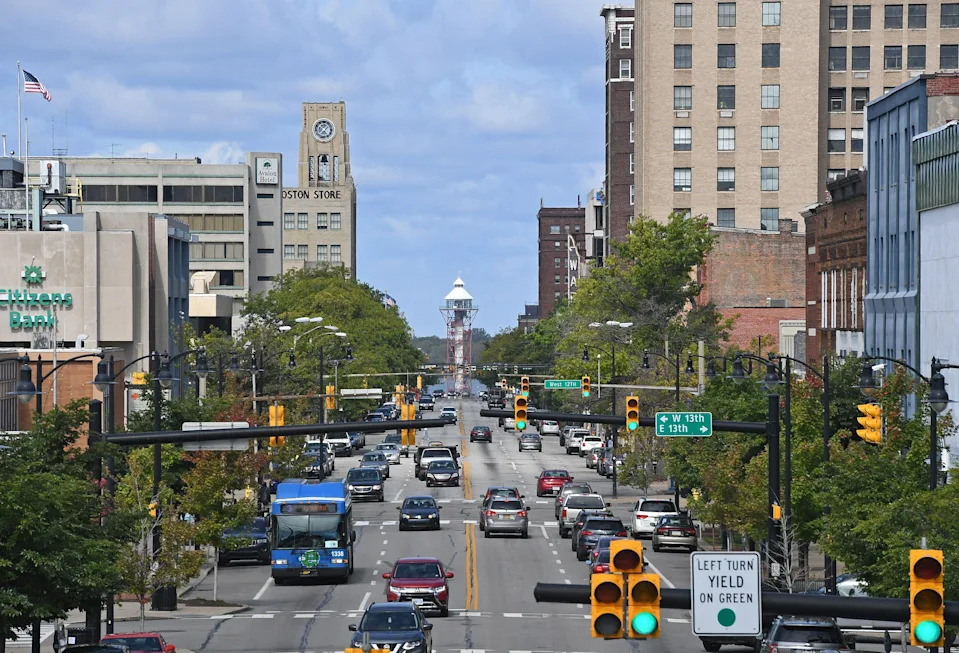
New American Community Survey from the U.S. Census Bureau includes a host of demographics/population data about the city of Erie.
The data can be compared with 2019 survey results that looked at the country between 2015 and 2019.
Here are some key American Community Survey/census findings regarding the city of Erie.
Previous coverage: Latest Census data shows Erie’s population dropped to lowest level in a century
Erie’s population
The most recent census data puts the city’s population at 93,850 residents. The survey’s 2019 estimate was 97,263. That means the city’s overall population decreased by 3.5% between 2019 and 2024, according to census data.
For further comparison, Erie’s 2010 population, according to the Census Bureau, was 101,786. That means the city has lost 7,936 residents, or nearly 8% of its population, since 2010.
The current survey shows 67.4 percent of Erie’s residents are white, down from 72.7% in the 2015-2019 survey. The city’s Black population is 16.9%, up slightly from 16.4% in the previous survey; and the Hispanic/Latino population is 8.6%, up slightly from the previous survey’s 8.3%
Erie’s foreign-born population has increased from 7,064 residents to 7,448 between the two surveys, Census Bureau data shows.
The current survey shows 28.4% of Erie’s residents are 55 or older, compared to 27% in the previous survey. The median age of Erie residents is 34.8; it was 34.9 in the 2015-2019 survey.
Poverty data
The percentage of city of Erie families whose income falls below the federal poverty level, according to the most recent survey, is 17.5% That is a decrease from the 19.6% cited in the 2015-1019 survey.
The current federal poverty level for a family of four is $32,150, according to federal guidelines. For a single person, it is $15,650. Those guidelines are used to determine eligibility for various federal and state programs.
Employment and income
The 2020-2024 survey shows there is a 7.1% unemployment rate in the city of Erie, down from 7.9% in the 2015-2019 survey.
However, the city’s labor force — comprised of workers who are at least 16 years old — has decreased from 77,234 to 76,088 between the two surveys.
The median household income in the city of Erie is $46,113 in the current survey, down slightly from $46,636 in the previous one.
Housing units
According to the 2020-2024 survey, the city has 43,681 housing units, down from 44,994 in the 2015-2019 survey.
The city also decreased its percentage of vacant housing units from 11.3% to 8.8% between the two surveys, according to Census Bureau data.
Internet usage
The percentage of Erie households with a broadband internet connection is 88.2%, up from 76.9% in the 2015-2019 survey.
Learn more at www.census.gov.
Contact Kevin Flowers at kflowers@timesnews.com. Follow him on X at@ETNflowers.
This article originally appeared on Erie Times-News: New US Census data and what it says about the city of Erie