
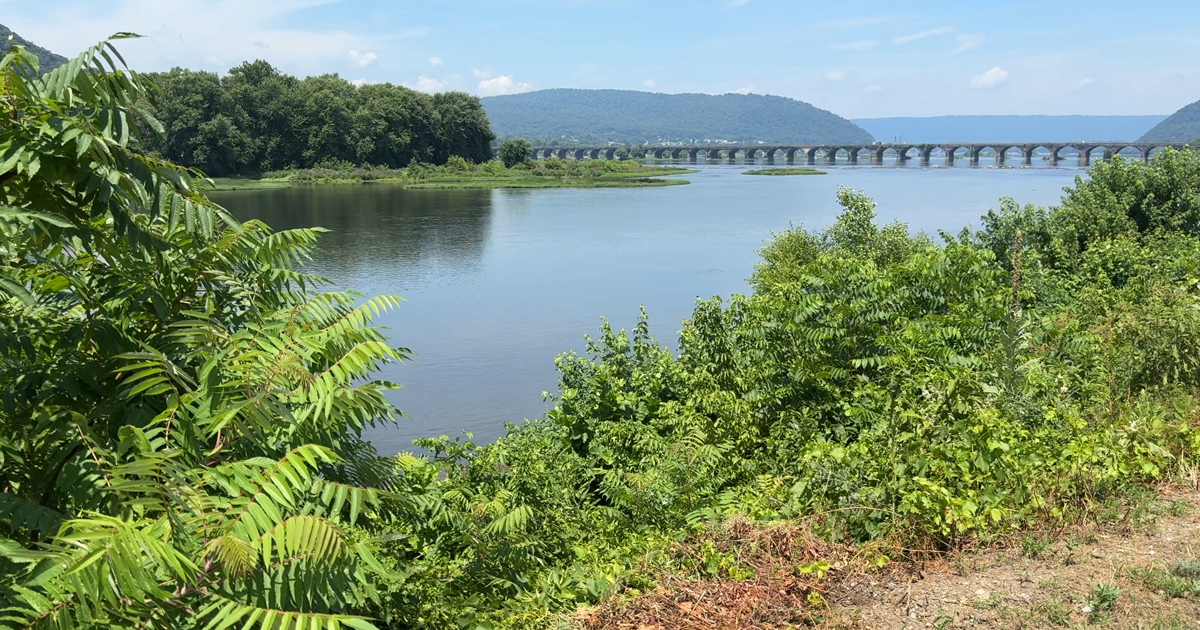
A new report from Pennsylvania says that 37% of the state’s streams are impaired, an increase from 34% in a 2024 version of the same report. Today, lawmakers discussed the best use of resources to improve stream cleanliness.
Over 31,000 miles of waterways stretch across the commonwealth- each one of those miles valuable to quality of life.
“The simple way we talk about it is swimmable, fishable drinkable,” said John Jackson, senior research scientist at the Stroud Water Research Center. “Industrial and agriculture are uses as well.”
When a stream isn’t usable for those activities- the Pennsylvania Dep. of Environmental Protections categorizes the waterway as “impaired”. The number of impaired waterways in the state are tracked in the Integrated Water Quality Report.
The department recently released a draft of the 2026 data.
A waterway can be impaired in one area (not drinkable) or multiple areas (not drinkable, swimmable, or fishable).
An impaired stream can limit recreation-
“Pennsylvanians may not be able to visit state parks that have lakes, because of harmful algal blooms,” said Jill Whitcomb, deputy secretary of water programs in the Pennsylvania Dep. of Environmental Protection.
But impaired waterways can also drive up taxpayer costs. For example, contaminated water costs more to make drinkable.
“The cleaner the water, the less treatment it needs, so we don’t have to spend a lot of money to help clean it even more, for drinking water,” Whitcomb said.
Water researchers say the chemicals and bacteria contaminating water are ever evolving.
“When the Clean Air Act first came out- you could see it. You could smell it. You could touch it,” said Jackson. “Our modern pollutants are not quite so obvious. Now we are worrying about lawn care products, asphalt sealants, road salt, oils, heavy metals.”
In a hearing today, Republicans and Democrats asked about forever chemicals. There was also conversation on how state funds can be used to address the source of water contamination rather than treating symptoms.
The department operates multiple programs and grants that can assist in improving stream cleanliness. Whitcomb said that increased funding could be critical in getting more personnel.
“We need administrators, we need boots on the ground people,” Whitcomb said, “But we also need people who can translate and close the gap with local stakeholders.”
While some cleanliness decisions depend on action from local or state governments (like how much salt gets used on roadways), many strategies to avoid contamination start with individual choice.
“The first step is cutting it back. Can we cut it in half? That at least slows down the impact as scientists look for more long term solutions,” Jackson said. “Maybe a few weeds are not a problem. Maybe having to wait an extra hour or two for the road to clear is not a problem, in the bigger scheme of things.”