
More than a third of streams in Pennsylvania, including parts of the Susquehanna River in Harrisburg, are impaired and cannot be used for their intended purposes like fishing, swimming, or agriculture, according to a recent report.When it’s not frozen over, the Susquehanna River falls into a category of partial impairment, according to the state’s Integrated Water Quality Report, which breaks down just how viable 85,500 miles of rivers and streams are for Pennsylvania. “In layman’s terms, 37 percent seems like a lot,” said Rep. Greg Vitali, D-Montgomery County.Lawmakers heard from officials at the State Environmental Protection Department on Monday about the recent report, as well as from other experts in environmental conservation about how certain streams are considered “impaired.” “It doesn’t pass a certain test,” said Jill Whitcomb, deputy secretary of DEP water programs.In the case of the Susquehanna River along Harrisburg, the state says it’s generally usable as a source for drinking water or for recreation, but it’s not as usable for fishing because of high pH levels from agriculture. The state says it’s doing what it can to improve conditions.Jill Whitcomb said improving water quality in many places, like the Susquehanna, relies on a lot of different stakeholders improving infrastructure and discouraging practices that lead to water pollution that can harm the quality of a stream for wildlife or people. “We are seeing successes in many areas, and we should be highlighting those successes, and we should be celebrating our partners and the people that are making this happen on the ground,” Whitcomb said.State Rep. Tom Mehaffie of Dauphin County pressed DEP leaders to work with the federal government to get more funds or recognition for smaller projects from townships and counties where taxpayers are supporting stormwater authorities. “We want to see smaller projects, and we want to see and make sure that the projects that are being done should be in the municipalities that raise the money by the residents, by the businesses, and making sure that money stays and home and fixing the problems there because all problems start upstream,” Mehaffie said.
More than a third of streams in Pennsylvania, including parts of the Susquehanna River in Harrisburg, are impaired and cannot be used for their intended purposes like fishing, swimming, or agriculture, according to a recent report.
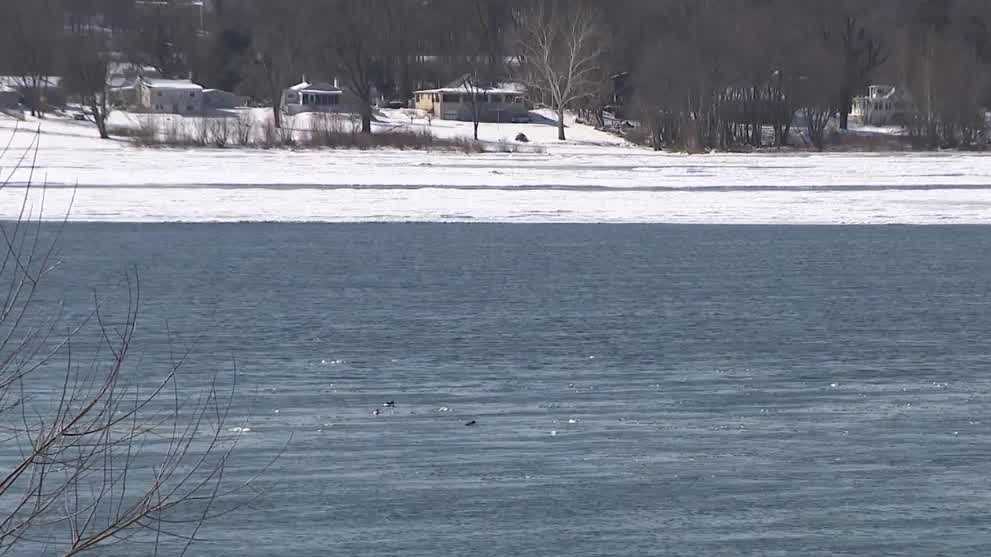
When it’s not frozen over, the Susquehanna River falls into a category of partial impairment, according to the state’s Integrated Water Quality Report, which breaks down just how viable 85,500 miles of rivers and streams are for Pennsylvania.
“In layman’s terms, 37 percent seems like a lot,” said Rep. Greg Vitali, D-Montgomery County.
Lawmakers heard from officials at the State Environmental Protection Department on Monday about the recent report, as well as from other experts in environmental conservation about how certain streams are considered “impaired.”
“It doesn’t pass a certain test,” said Jill Whitcomb, deputy secretary of DEP water programs.
In the case of the Susquehanna River along Harrisburg, the state says it’s generally usable as a source for drinking water or for recreation, but it’s not as usable for fishing because of high pH levels from agriculture. The state says it’s doing what it can to improve conditions.
Jill Whitcomb said improving water quality in many places, like the Susquehanna, relies on a lot of different stakeholders improving infrastructure and discouraging practices that lead to water pollution that can harm the quality of a stream for wildlife or people.
“We are seeing successes in many areas, and we should be highlighting those successes, and we should be celebrating our partners and the people that are making this happen on the ground,” Whitcomb said.
State Rep. Tom Mehaffie of Dauphin County pressed DEP leaders to work with the federal government to get more funds or recognition for smaller projects from townships and counties where taxpayers are supporting stormwater authorities.
“We want to see smaller projects, and we want to see and make sure that the projects that are being done should be in the municipalities that raise the money by the residents, by the businesses, and making sure that money stays and home and fixing the problems there because all problems start upstream,” Mehaffie said.