
By Jack Tomczuk
Gov. Josh Shapiro’s spending plan would increase state funding for Philadelphia’s public schools by $151 million, but district leaders still anticipate having to make cuts to close a growing budget deficit.
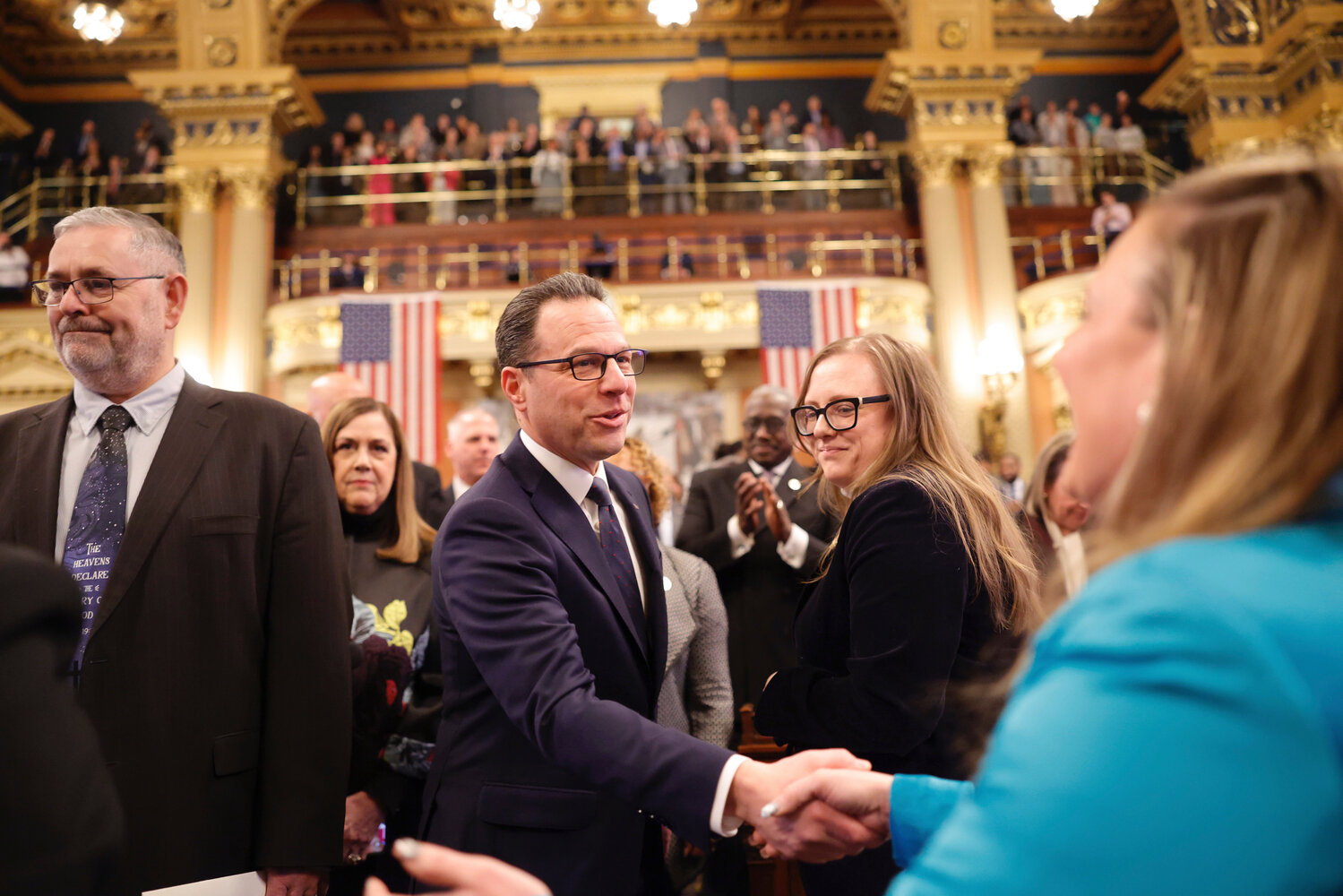
Shapiro presented his budget proposal to lawmakers last week. It came at a crucial time for the School District of Philadelphia, as it faces a potential fiscal cliff and contemplates a facilities plan that would result in the closure of 20 schools.
For the 2026 fiscal year, which began July 1, the district is using about 40% of its reserves to defer cutbacks and cover a $306 million shortfall. The deficit is projected to rise to nearly $466 million in FY 2027 and continue ballooning in the ensuing years.
“While difficult budget decisions will still be required, the Governor’s proposed investment would help mitigate the need for even deeper cuts and support the District’s ability to protect rigorous academic programs and student services,” the school system said in a Feb. 5 statement.
Shapiro’s proposal would boost the district’s basic education funding by $8.3 million and increase the special education subsidy by nearly $6 million, compared to last year, according to budget documents posted on the website for the commonwealth’s Department of Education.
The vast majority of new dollars — about $136.7 million — would be distributed through an “adequacy” formula developed after a 2023 court ruling found Pennsylvania’s existing funding mechanism so inequitable that it violated that state’s constitution.
Under the governor’s spending plan, an additional $565 million would be allocated to the most under-resourced of the commonwealth’s 500 school systems.
Two organizations involved in the legal case, Education Law Center-PA and the Public Interest Law Center, said efforts to close funding gaps have benefited students. However, they added, Pennsylvania schools remain underfunded by $3.8 billion, and “the current timeline for compliance is far too slow.”
“Those children who have constantly borne the weight of this neglect — low-income children, children of color, and children with disabilities — will continue to absorb the consequences of that failure until this job is completed,” the groups said last week in a joint statement.
Shapiro said that his administration has raised school funding nearly 30% since he took office in January 2023.
The governor’s budget plan also incorporates $125 million statewide for school building projects.
In addition to the closures, the school district’s facilities plan, unveiled in late January, incorporates the modernization of nearly 160 existing schools, along with the repurposing of other buildings.
The price tag is $2.8 billion over 10 years, with the district committing $1 billion and requesting the remainder from Harrisburg, City Hall and philanthropic sources. If those dollars do not materialize, district leaders have developed a scaled-down version of the initiative to be completed over 16 years that would leave more than 40 schools with below-par building conditions.
During his budget address, Shapiro also asked lawmakers to approve legislation banning cellphones in schools and said he had directed the state Board of Education to publish recommendations guaranteeing recess time for students.
His $53.3 billion spending plan is likely to undergo significant changes. Republicans, who hold a majority in the Pennsylvania Senate, have already characterized it as fiscally irresponsible, and education is among the largest line items.
Though the budget is supposed to be due June 30, it is not always finalized until well after that deadline. The most recent version was adopted in November, following a prolonged impasse.