
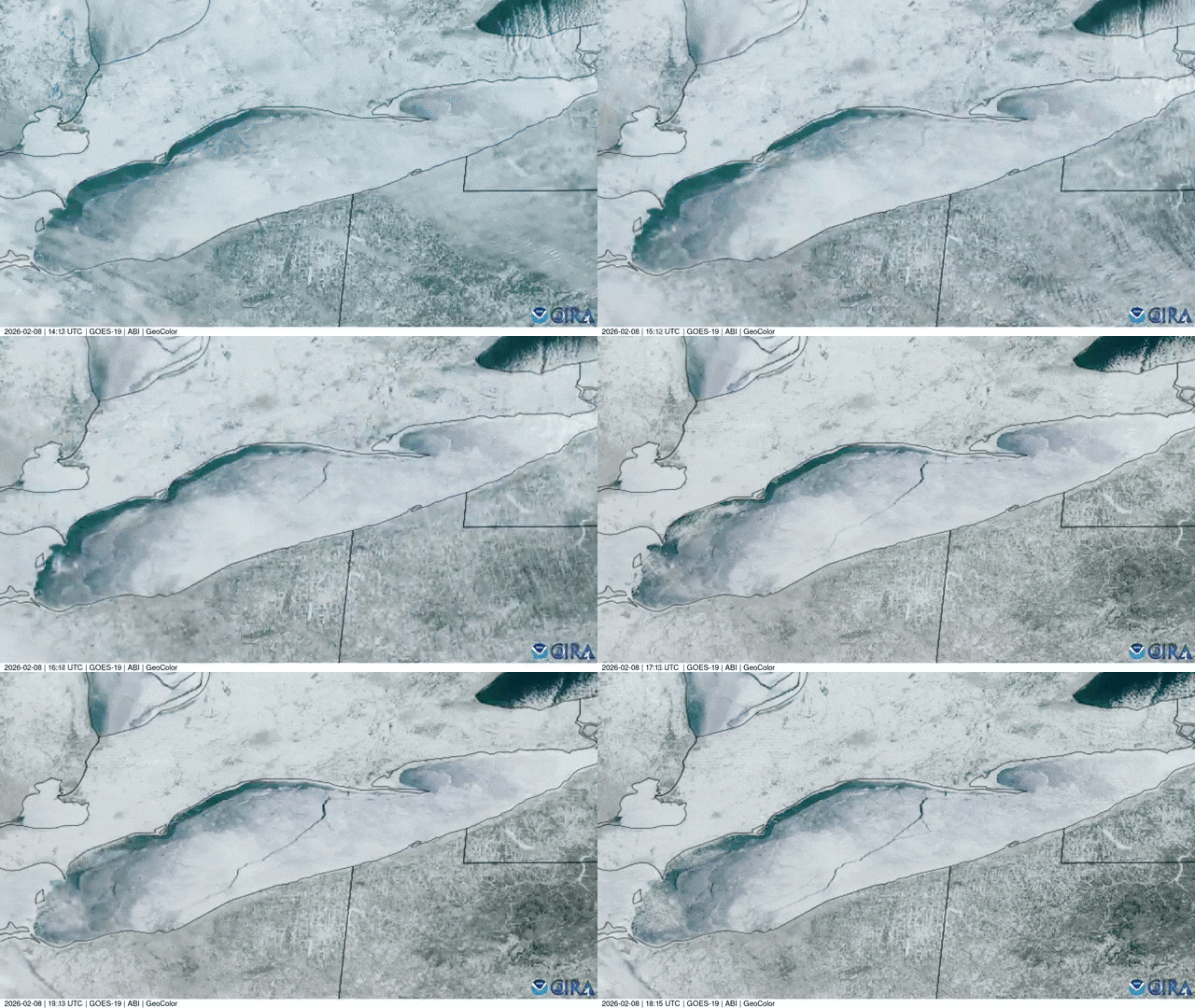
Strong winds and Arctic air helped fracture the frozen surface over the weekend. Lake Erie is about 95% ice-covered — and the next few days could decide whether it fully freezes.
Published Feb 9, 2026 3:35 AM CST
|
Updated Feb 9, 2026 4:32 AM CST
A massive 80-mile-long crack split the ice on Lake Erie on Feb. 8, stretching from Port Burwell, Ontario, to Cleveland.
Lake Erie is almost completely iced over, and over the weekend, the frozen surface split open in dramatic fashion.
A crack stretching more than 80 miles formed Sunday, running from near the Canadian side of the lake toward the Cleveland area. The break opened up after strong winds swept across the Great Lakes Friday and Saturday, pushing and pulling the lake’s ice as another blast of Arctic air poured into the region.
Maybe the ice really IS all it’s cracked up to be on #LakeErie! 🧊@NOAA’s #GOESEast (#GOES19) satellite captured a massive fracture forming in the lake ice yesterday. It was approximately 80 miles long, stretching from Port Burwell, Canada, to near Cleveland, Ohio. pic.twitter.com/aQpeP8raYo
— NOAA Satellites (@NOAASatellites) February 9, 2026
The striking split isn’t unheard of when Lake Erie is heavily frozen. As winds shift or ease and temperatures fluctuate, large sheets of ice can drift, collide and separate, creating long, jagged openings across the lake.
Those same winds also shoved ice toward parts of the shoreline, where it can pile up into ridges and create hazards, including the risk of property damage in vulnerable coastal areas.
As of this week, Lake Erie was about 95% ice-covered, according to NOAA’s Great Lakes Environmental Research Laboratory.
Despite the bitter cold over the past weekend, the wind has helped keep some pockets of open water on the western end of the lake. Whether Lake Erie can “close the gap” and reach 100% coverage may come down to the next few days — especially if winds relax long enough for ice to spread and lock in.
Lake Erie has reached 100% ice coverage only three times since record-keeping began in 1973.
Ice mounds form along the shoreline of Lake Erie February 4, 2026, in Hamburg, New York. (Photo by John Normile/Getty Images)
“Signs point towards a bit of a warmup in mid-February that may limit the chances of completely freezing,” AccuWeather Great Lakes Expert Brandon Buckingham added.
Ice coverage can also shape spring weather around the Great Lakes. AccuWeather is already predicting a cooler-than-normal spring in the region, and extensive ice can delay the arrival of shoreline warmth — especially for communities within a few miles of the water.