
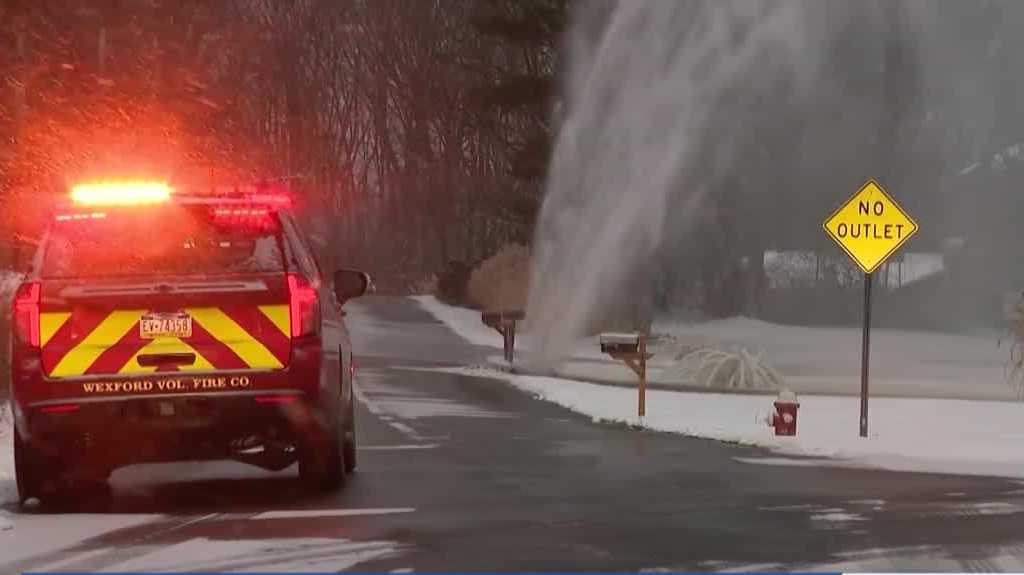
530. SHE ALSO HAS ADVICE FROM A PLUMBER ABOUT THE STEPS YOU CAN TAKE RIGHT NOW. PITTSBURGH WATER HOPING FOR A FEW CONSECUTIVE DAYS WITH TEMPERATURES IN THE 30S AS THIS THAWING CYCLE BEGINS AND WARNING PITTSBURGHERS THAT THEIR HOMES AND THEIR PROPERTIES COULD SEE DAMAGE. WHEN THIS HAPPENS, WE HAVE OVER 900 MILES OF WATER MAIN THAT WE’RE SENDING THE WATER OUT THROUGH, AND THAT WATER MAINS BURIED IN THE GROUND, FROZEN GROUND THAT SHIFTS AND CAN PUT STRESS ON WATER LINES AS THE GROUND TEMPERATURE CHANGES, CAUSING BREAKS IN THE LINE. THE OTHER THING WE CAN SEE DURING THESE REALLY HARD FREEZES IS PERHAPS THERE WAS A BREAK THAT MAY HAVE OCCURRED, BUT BECAUSE THE GROUND WAS FROZEN SOLID OR WE HAD ALL THESE SNOW BANKS, IT MIGHT NOT HAVE BEEN SURFACING FOR US TO ACTUALLY SEE IT AS THE SNOW MELTS. IF YOU SEE SIGNS OF A BREAK LIKE BUBBLING OR RUNNING WATER, CHIEF OPERATING OFFICER OF PITTSBURGH WATER, FRANK SIDARI SAYS YOU SHOULD REPORT IT IMMEDIATELY. THE SAME GOES FOR POSSIBLE BREAKS IN YOUR HOME. IN OLDER HOMES, QUITE COMMON. WE’RE STILL DEALING WITH FROZEN PIPES RIGHT NOW. YOU KNOW, AND THE LONGER THEY STAY FROZEN, THE MORE RISK OF THE PIPES BREAKING. OWNER OF ISIL ENTERPRISES IN BALDWIN, TOM SAYS AFTER THE THAW COME LEAKS. IF THERE’S A FROZEN PIPE IN IT, THE SIZE OF THE THAW IN YOUR HOME, YOU WILL HEAR IT. IT WILL MAKE A POPPING NOISE, AND THEN YOU’LL HEAR THE WATER RUNNING. SO THEN YOU NEED TO LOOK FOR IT OR SHUT THE MAIN OFF. AND IF A PIPE OUTSIDE HAS FROZEN, HE SUGGESTS LETTING YOUR FAUCET DRIP FOR THE NEXT DAY OR TWO WHILE THE THAWING BEGINS. AND CHECK YOUR OUTSIDE HOSE SPOUTS AND DRAINS FOR FREEZING. AND WHILE IT’S UNPREDICTABLE WHEN LEAKS WILL APPEAR, HE SAYS IT’S UNFORTUNATELY EXPECTED ALL WEEK. ALL WEEK. THERE’S GOING TO BE CALLS AND THEIR ADVICE ESPECIALLY IMPORTANT FOR ANYONE WHO HAS BEEN AWAY FROM THEIR HOME FOR AN EXTENDED PERIOD OF TIME. DURING THAT EXTREME COLD STR
Pittsburgh prepares for water line breaks as temperatures rise

Updated: 7:00 PM EST Feb 10, 2026
As temperatures rise in Pittsburgh, the thawing of ice and snow is expected to affect the city’s water systems, potentially causing damage to homes and properties.Frank Sidari, PGH2O chief operating officer, said, “We have over 900 miles of water main that we’re sending the water out through, and the water main’s buried in the ground.” He explained that frozen ground can shift and stress water lines as the ground temperature changes, leading to breaks in the line. Sidari added, “The other thing we can see during these really hard freezes is perhaps there was a break that may have occurred, but because the ground was frozen solid or we have all these snowbanks, that may not have been surfacing for us to actually see it.”Sidari advised residents to report any signs of a break, such as bubbling or running water, immediately. This advice also applies to possible breaks within homes.Tom Eisel, owner of Eisel Enterprises in Baldwin, said, “In older homes … quite common. We’re still dealing with frozen pipes right now, you know, and the longer they stay frozen, the more risk of the pipes breaking.” Eisel noted that leaks often follow the thawing process. “If there’s a frozen pipe and it decides to thaw in your home, you will hear it. It’ll make a popping noise, and then you’ll hear the water running, so then you need to look for it or shut the main off,” he said.Eisel suggested letting faucets drip for a day or two during the thawing process and checking outside hose spouts and drains for freezing. He warned that while the timing of leaks is unpredictable, they are expected. “All week. All week, there’s going to be calls,” he said.”This advice is particularly important for homes that have been vacant for an extended period during extremely cold weather,” Sidari said.
PITTSBURGH —
As temperatures rise in Pittsburgh, the thawing of ice and snow is expected to affect the city’s water systems, potentially causing damage to homes and properties.
Frank Sidari, PGH2O chief operating officer, said, “We have over 900 miles of water main that we’re sending the water out through, and the water main’s buried in the ground.”
He explained that frozen ground can shift and stress water lines as the ground temperature changes, leading to breaks in the line.
Sidari added, “The other thing we can see during these really hard freezes is perhaps there was a break that may have occurred, but because the ground was frozen solid or we have all these snowbanks, that may not have been surfacing for us to actually see it.”
Sidari advised residents to report any signs of a break, such as bubbling or running water, immediately. This advice also applies to possible breaks within homes.
Tom Eisel, owner of Eisel Enterprises in Baldwin, said, “In older homes … quite common. We’re still dealing with frozen pipes right now, you know, and the longer they stay frozen, the more risk of the pipes breaking.”
Eisel noted that leaks often follow the thawing process.
“If there’s a frozen pipe and it decides to thaw in your home, you will hear it. It’ll make a popping noise, and then you’ll hear the water running, so then you need to look for it or shut the main off,” he said.
Eisel suggested letting faucets drip for a day or two during the thawing process and checking outside hose spouts and drains for freezing. He warned that while the timing of leaks is unpredictable, they are expected. “All week. All week, there’s going to be calls,” he said.
“This advice is particularly important for homes that have been vacant for an extended period during extremely cold weather,” Sidari said.