
Legislation aimed at increasing penalties for violators of protection from abuse orders has passed in the Pennsylvania House, targeting individuals who repeatedly contact, harass, or threaten victims to prevent escalation into dangerous situations.Stacie Blake, chief executive officer at YWCA Lancaster said, “Bringing the seriousness of this to another level could help keep some people more safe.”Tragic incident in 2024She emphasized the goal of protection from abuse orders, known as PFAs, while acknowledging that they do not always ensure safety. Blake referenced a tragic incident in 2024 at the Sasafrass Apartment Complex in Mount Joy, Lancaster County, where a PFA was involved in a deadly shooting.Pennsylvania State Police reported that Ricky Shannon, 22, shot his ex-girlfriend and her family, resulting in two fatalities, just hours after being served a PFA.”It takes a lot of courage for any person who’s been abused to go through the court system to get a protection from abuse order, and that means the court has recognized that this person is in danger,” Blake said.House Bill 1909 to impose greater penalties She explained that House Bill 1909 would impose greater penalties on offenders who violate court-ordered PFAs, with penalties ranging from first-degree to third-degree felonies.Attorney Steve Breit said, “What this does is it takes the PFA matter, which is a civil matter, and turns it into a criminal matter by upgrading penalties in the crimes code.”The bill, initially considered in November of last year, passed the House with a 104 to 94 vote last week. Opponents of the legislation argue that it elevates non-violent infractions to a level that could lead to a lifetime firearm ban.Breit added, “And that’s very important for those individuals that cherish the Second Amendment. But you balance those rights with the rights of the victim, the rights of the survivor. The rights of our first responders who go on the scene here.”With House Bill 1909 now passed in the House, attention shifts to the Senate for further consideration.
Legislation aimed at increasing penalties for violators of protection from abuse orders has passed in the Pennsylvania House, targeting individuals who repeatedly contact, harass, or threaten victims to prevent escalation into dangerous situations.
Stacie Blake, chief executive officer at YWCA Lancaster said, “Bringing the seriousness of this to another level could help keep some people more safe.”
Tragic incident in 2024
She emphasized the goal of protection from abuse orders, known as PFAs, while acknowledging that they do not always ensure safety. Blake referenced a tragic incident in 2024 at the Sasafrass Apartment Complex in Mount Joy, Lancaster County, where a PFA was involved in a deadly shooting.
Pennsylvania State Police reported that Ricky Shannon, 22, shot his ex-girlfriend and her family, resulting in two fatalities, just hours after being served a PFA.
“It takes a lot of courage for any person who’s been abused to go through the court system to get a protection from abuse order, and that means the court has recognized that this person is in danger,” Blake said.
House Bill 1909 to impose greater penalties
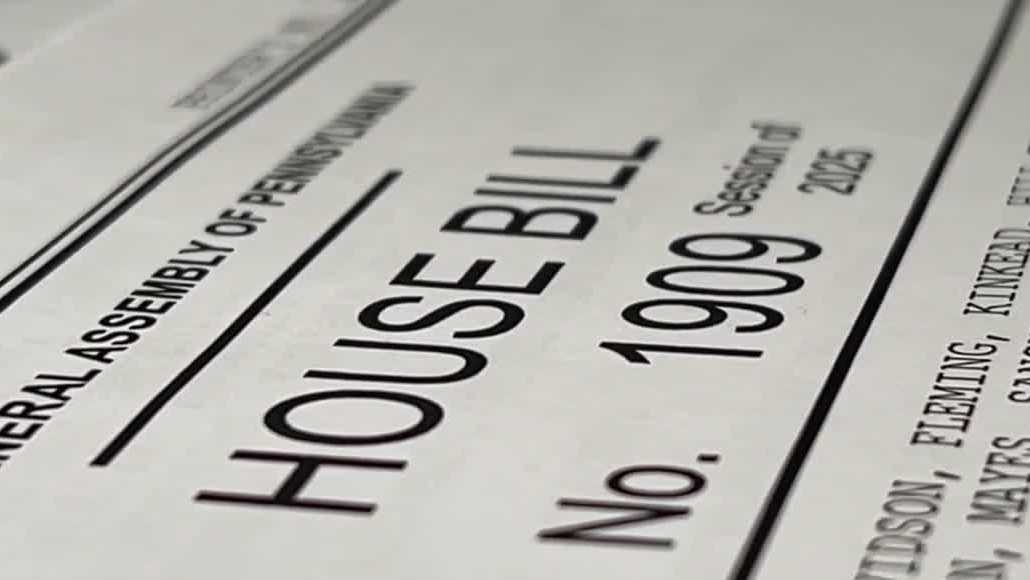
She explained that House Bill 1909 would impose greater penalties on offenders who violate court-ordered PFAs, with penalties ranging from first-degree to third-degree felonies.
Attorney Steve Breit said, “What this does is it takes the PFA matter, which is a civil matter, and turns it into a criminal matter by upgrading penalties in the crimes code.”
The bill, initially considered in November of last year, passed the House with a 104 to 94 vote last week. Opponents of the legislation argue that it elevates non-violent infractions to a level that could lead to a lifetime firearm ban.
Breit added, “And that’s very important for those individuals that cherish the Second Amendment. But you balance those rights with the rights of the victim, the rights of the survivor. The rights of our first responders who go on the scene here.”
With House Bill 1909 now passed in the House, attention shifts to the Senate for further consideration.