
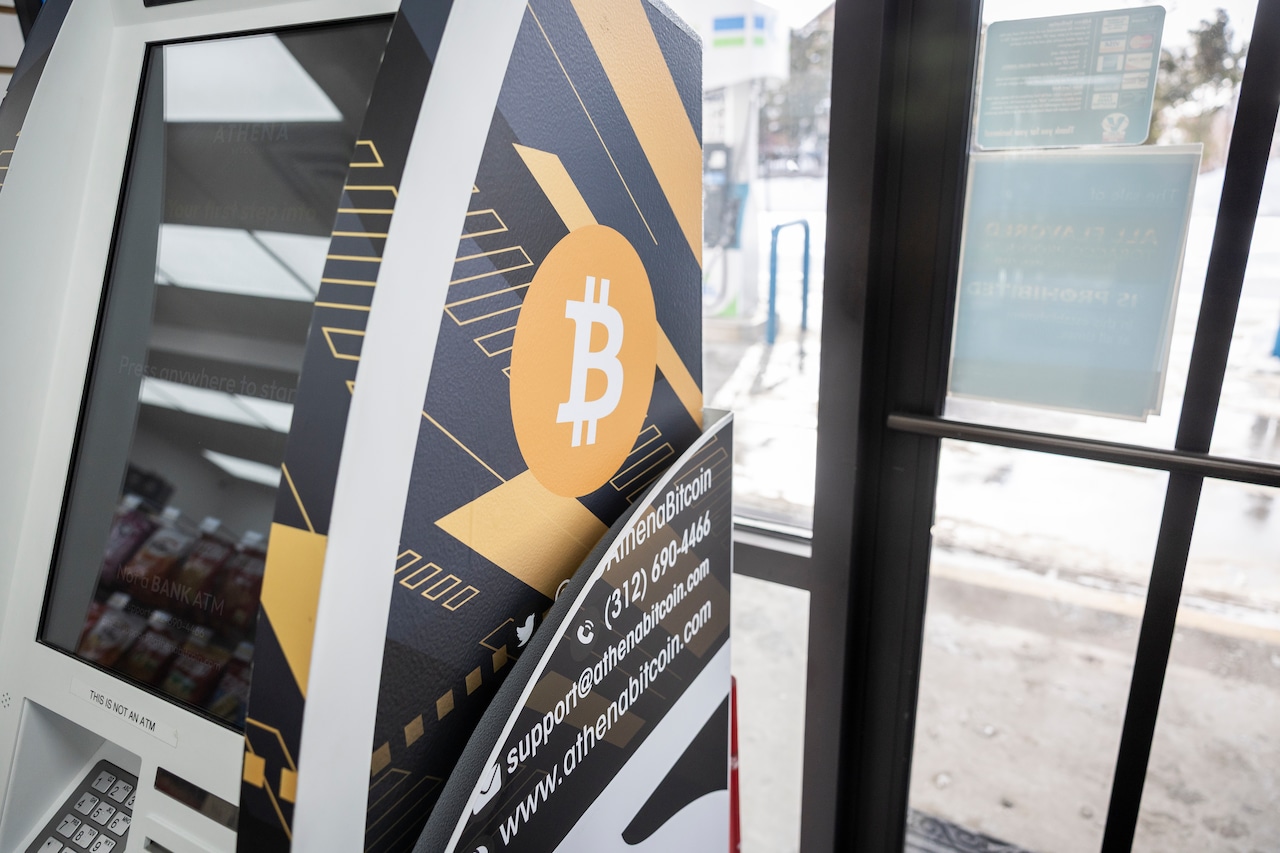
If you receive a call from someone claiming to be a sheriff and demanding payment to avoid arrest for missed jury duty, state police say to hang up.
Pennsylvania State Police in Bethlehem said they’ve fielded multiple cases in recent months of the jury duty scam. Victims claim the scammers requested Bitcoin payments in most incidents.
State police currently have the following scams on the books, which duped victims out of a total of roughly $30,000:
Dec. 20, 2025: A woman received a call from a scammer indicating they were a Northampton County sheriff and had two warrants for her arrest for failing to report for jury duty. The victim made three Bitcoin transactions, totaling $10,000.Feb. 9, 2026: A woman received a phone call from a scammer indicating they were a Northampton County sheriff and there was a warrant for her arrest. The victim deposited $4,000 in multiple Bitcoin transactions. Feb. 11, 2026: A woman received a phone call from a scammer indicating they were a Northampton County sheriff and had two warrants for her arrest. She made two Bitcoin transactions, totaling $16,500.
Northampton County District Attorney Stephen G. Baratta said residents reported receiving calls from phone numbers 610-488-2855 and 610-829-5601.
In a majority of the cases, the victims were told they had outstanding criminal arrest warrants or bench warrants for failing to appear for jury duty.
The scammers then told the victims they faced immediate arrest unless they paid fines or posted bail using cryptocurrency, the DA said.
Victims often are directed to bring cash to local Bitcoin or other cryptocurrency ATMs, typically located at convenience stores or retail locations.
The scammers also have created a fake website for the Northampton County Sheriff’s Department that includes what appears to be a local phone number staffed by the perpetrators.
The Northampton County Sheriff, county administration, and local law enforcement currently are working to dismantle the fake website.
The DA’s office said the scammers appear to be operating from outside the United States and conceal their identities using virtual private networks, proxy servers, and encrypted communication platforms.
Law enforcement officials emphasized that police never ask for payment over the phone and do not accept alternate payment methods, such as Bitcoin. Victims who receive such calls should immediately report the incidents to police.