
Gov. Josh Shapiro has unveiled a new housing plan aimed at addressing Pennsylvania’s housing shortage and improving access to affordable housing through five key pillars. One of the main goals is to build more housing, as Pennsylvania faces a shortage of approximately 100,000 homes.The Pennsylvania Realty Association reports a decline in available homes in the Susquehanna Valley over the past five years.”If we do not take action right now, Pennsylvania will be short 185,000 housing units by the year 2035,” Shapiro said.Listings dropped in York CountyIn York County, the number of listings dropped from over 1,300 in January 2019 to just below 700 in January 2026, marking a 47% decrease. “I think if we can address that inventory challenge, as we get more houses available, certainly the supply and demand comes into play. If we can get that supply up to meet the demand, I think prices are going to stabilize,” Mark Kibbe, the Pennsylvania Association of Realtors Legislative Committee chair, said.Shapiro’s plan also aims to increase access to resources for families struggling financially. The Pennsylvania Realtors Association reports a 12% year-over-year increase in median house prices in York County.Shapiro highlighted the need for a long-term strategy, stating, “What we really need is a long-term strategy that brings together all different groups who are doing this work, builds on their expertise, and tackles housing access and affordability from every single angle.”Other pillars of the planCutting red tape for home ownershipStrengthening tenant protectionsModernizing regulationsIncreasing state and local coordination. “There’s no silver bullet to the housing crisis we’re in. I think we’ve got to attack it from so many different ways. And I think the governor again, he’s putting forth a proposal that does look at it from many, many different angles,” Kibbe said.The plan also includes a $1 billion investment in critical infrastructure to build housing, addressing the overwhelming demand in rural and suburban communities like those in the Susquehanna Valley.
YORK COUNTY, Pa. —
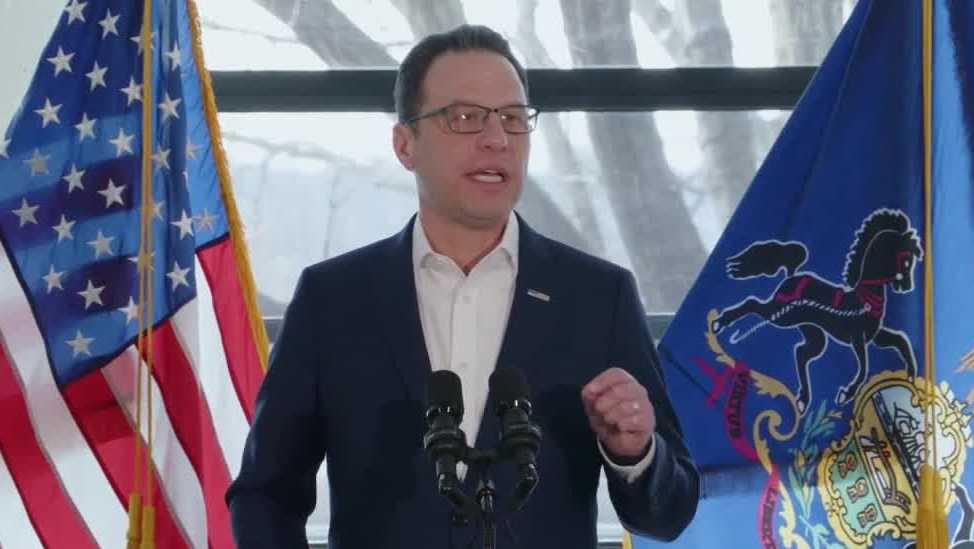
Gov. Josh Shapiro has unveiled a new housing plan aimed at addressing Pennsylvania’s housing shortage and improving access to affordable housing through five key pillars. One of the main goals is to build more housing, as Pennsylvania faces a shortage of approximately 100,000 homes.
The Pennsylvania Realty Association reports a decline in available homes in the Susquehanna Valley over the past five years.
“If we do not take action right now, Pennsylvania will be short 185,000 housing units by the year 2035,” Shapiro said.
Listings dropped in York County
In York County, the number of listings dropped from over 1,300 in January 2019 to just below 700 in January 2026, marking a 47% decrease.
“I think if we can address that inventory challenge, as we get more houses available, certainly the supply and demand comes into play. If we can get that supply up to meet the demand, I think prices are going to stabilize,” Mark Kibbe, the Pennsylvania Association of Realtors Legislative Committee chair, said.
Shapiro’s plan also aims to increase access to resources for families struggling financially. The Pennsylvania Realtors Association reports a 12% year-over-year increase in median house prices in York County.
Shapiro highlighted the need for a long-term strategy, stating, “What we really need is a long-term strategy that brings together all different groups who are doing this work, builds on their expertise, and tackles housing access and affordability from every single angle.”
Other pillars of the planCutting red tape for home ownershipStrengthening tenant protectionsModernizing regulationsIncreasing state and local coordination.
“There’s no silver bullet to the housing crisis we’re in. I think we’ve got to attack it from so many different ways. And I think the governor again, he’s putting forth a proposal that does look at it from many, many different angles,” Kibbe said.
The plan also includes a $1 billion investment in critical infrastructure to build housing, addressing the overwhelming demand in rural and suburban communities like those in the Susquehanna Valley.