
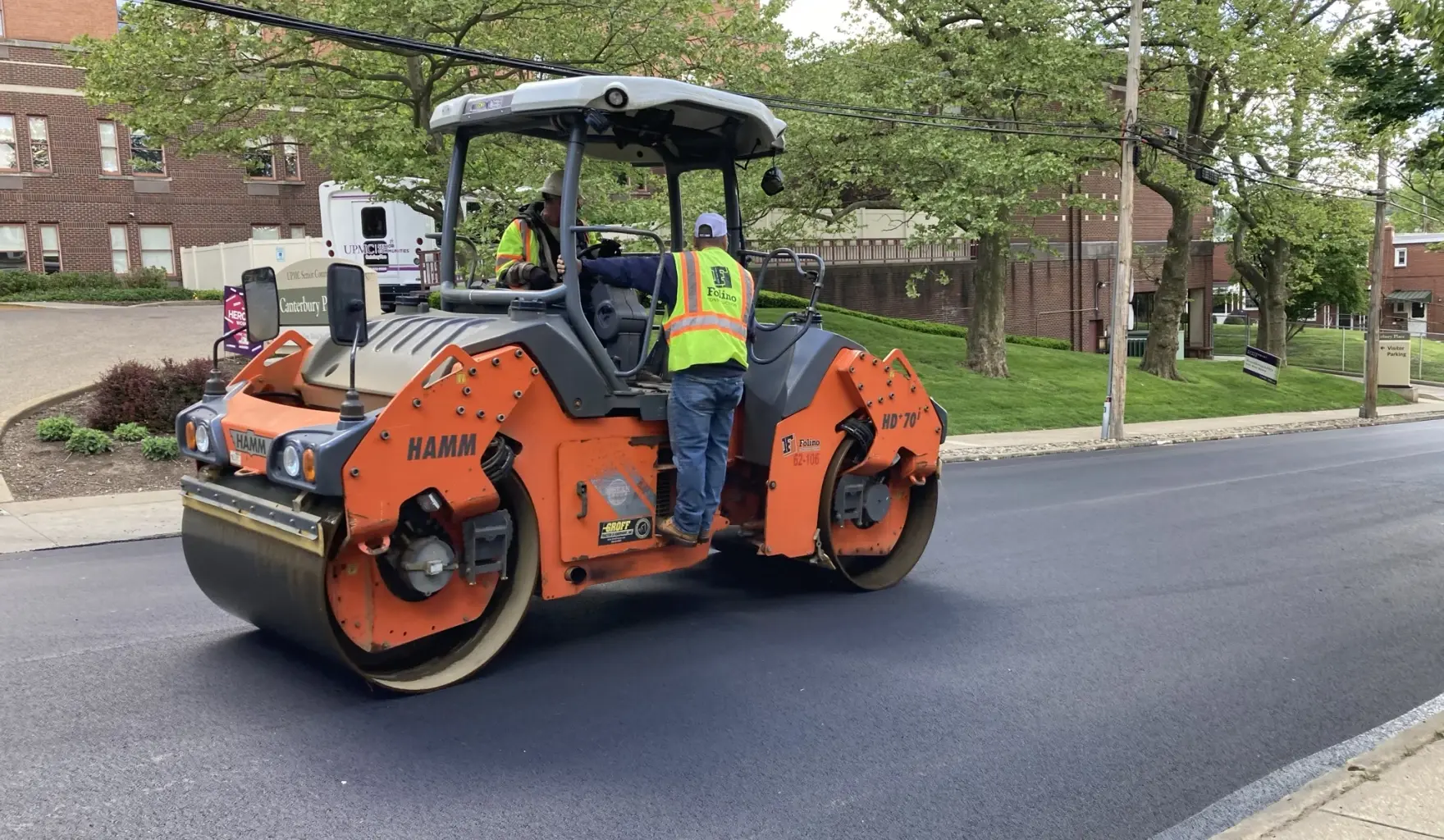
A new study from Carnegie Mellon University found the color of roofs and paved surfaces can make a big difference in quality of life in Pittsburgh.
The study sought to classify solid urban surfaces using terms such as “light” and “dark,” rather than scientific terms to describe a surface’s reflectivity.
Darker colors absorb more heat, while lighter colors reflect it. Areas with a lot of dark pavement are hotter than those with lighter-colored surfaces or green spaces.
“The major purpose of this study is really to find the language and the tools for the policy makers to use to be able to make a smart decision on our city surface choices,” said Suzy Li, an adjunct professor at CMU’s School of Architecture and the study’s lead author.
Neighborhoods in Pa. cities can get up to 13 degrees hotter due to urban environment
Li said her team trained machine learning software to organize satellite images of the city’s surfaces into light and dark colors.
They found 55% of the city is made up of impervious surfaces, which includes pavement and roofs. Of those surfaces, 52% are dark.
But the colors are not equally distributed across Pittsburgh.
Li said neighborhoods that were historically subject to discriminatory housing policies known as redlining, and which still often have higher populations of poor and minority residents, have a higher share of dark surfaces.
Pittsburgh’s redlined neighborhoods have 12% more dark surfaces and 10% less tree cover than other areas, Li said. Those areas are 4.7 degrees Fahrenheit hotter on average, compared to other neighborhoods, which creates greater health risks on very hot days.
“This can help the city officials to know where should they act first. Which neighborhoods do they need to work on these interventions first?” Li said.
Solutions include using lighter paving materials and planting trees.
Li said planners should also consider the porousness of paving surfaces. Materials that absorb more rainfall can help prevent flooding during storms.