

Thousands of people in Alaska, Pennsylvania, and Alabama received official alerts to stay home due to air pollution levels classified as unhealthy. The warnings were issued by the Environmental Protection Agency (EPA) and the National Weather Service (NWS), after detecting elevated concentrations of fine particles PM2.5.
The recommendations especially affect children, the elderly, and people with respiratory conditions, who should limit outdoor activities and stay indoors while elevated values persist.
Affected Areas
Fairbanks (Alaska): pollution levels prompted restrictions on outdoor physical activities.
Liberty-Clairton and Susquehanna Valley (Pennsylvania): the DEP issued a “Code Orange Air Quality Action Day” for several counties, indicating risk for sensitive groups.
Decatur and Cullman (Alabama): warnings posted on the EPA’s interactive map, with recommendations to avoid prolonged physical exertion.
Air Quality Index (AQI)
The EPA uses the AQI to communicate risks associated with atmospheric pollutants:
Green (0–50): good quality, no risks.
Yellow (51–100): moderate, risk for very sensitive people.
Orange (101–150): risk for sensitive groups.
Red (151–200): risk for the entire population.
Purple (201–300): very unhealthy.
Maroon (301+): hazardous, health emergency.
In the affected areas, values were recorded in the orange and red categories, implying precautions for the entire population.
Risks of PM2.5 Particles
PM2.5 are particles with a diameter of less than 2.5 micrometers, capable of penetrating deeply into the lungs and reaching the bloodstream. Exposure can cause:
Inflammation of the airways.
Worsening of asthma.
Reduced lung function.
Increased risk of arrhythmias and heart attacks.
The EPA warns that these particles come from sources such as vehicles, industrial plants, fires, and unpaved road dust, explaining their presence in both urban and rural areas.
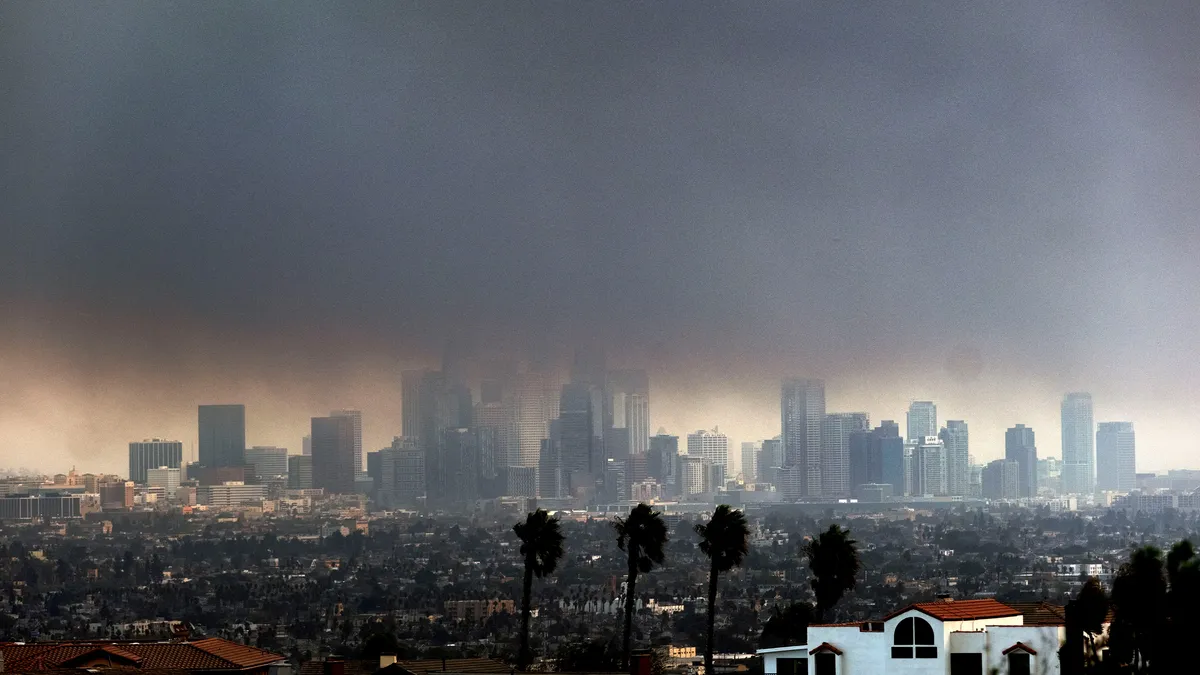 The EPA and NWS warn about unhealthy air.
Official Recommendations
Authorities advise:
Stay indoors during peak pollution hours.
Limit outdoor physical activities.
Use air filters if available.
Check airnow.gov for forecasts and current levels.
Keep quick-relief medication for people with asthma or heart diseases.
The Pennsylvania DEP statement specified that those with heart diseases should monitor symptoms like palpitations or shortness of breath and consult their doctor if necessary.
Community Impact
The warnings affect the routine of thousands of people. Schools, health centers, and community organizations adjust activities to protect the most vulnerable sectors. In Fairbanks, for example, school sports activities were suspended, while in Pennsylvania, it was recommended to minimize unnecessary travel.
Continuous monitoring by the EPA and NWS allows measures to be adapted according to the evolution of environmental conditions. Alerts may be modified if PM2.5 values decrease or increase in the coming hours.
The alert for poor air quality in Alaska, Pennsylvania, and Alabama reflects the importance of monitoring systems and early communication. PM2.5 particles pose a serious health risk, and preventive measures aim to reduce exposure and protect especially the most sensitive groups. Coordination between local and federal authorities is key to mitigating the effects of these pollution episodes.