
For 33 days, Gary Stone slept in a reclining chair beside his wife’s hospital bed, waking to the rhythm of monitors and the shuffle of nurses entering the room. He stayed with her as doctors worked to diagnose an autoimmune disease and held her hand through each uncertain night.
Stone had known her since childhood, growing up as neighbors on the same street in Weatherly, Pennsylvania. They’d been married for 60 years.
In November 2024, she died. For the first time in his life, Stone returned to their home alone.
“I had to figure out who I was without her,” Stone said.
For decades, people in the Allentown area had looked to Stone for support. Now 82, Stone spent his life as a social worker, comforting families in crisis and guiding young people through trauma. He helped establish Valley Youth House and Lehigh Valley Hospice, two organizations dedicated to supporting people in times of hardship.
But after his wife’s death, even he couldn’t counsel himself through the silence. He said he found himself speaking out loud to fill the empty rooms in his house.
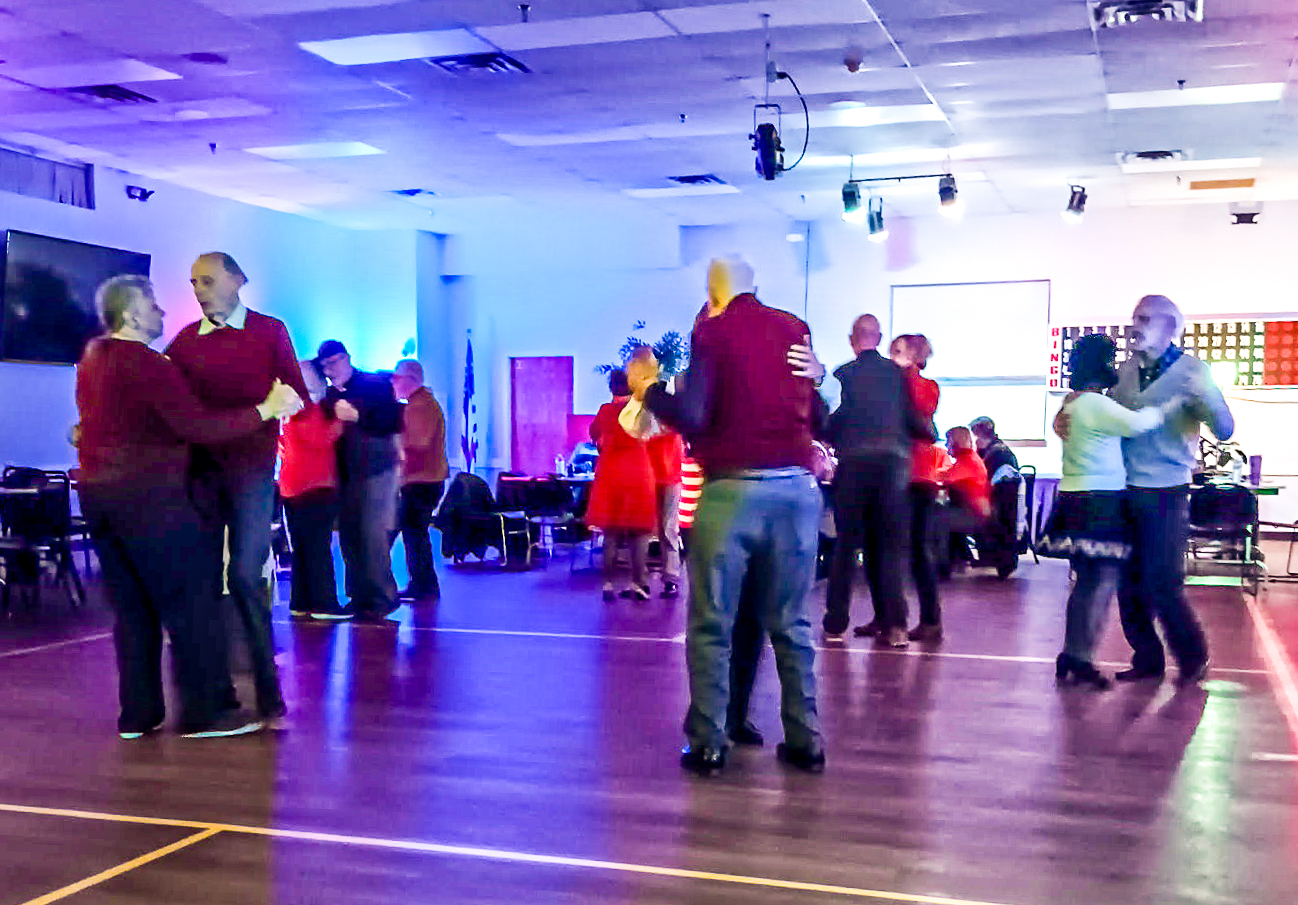
Stone is one of many seniors in the Lehigh Valley who feel lonely or isolated. He found support through Lehigh Valley Active Life, a community center in Allentown that offers daily programs, social activities and resources to help seniors stay connected.
Located at 1633 W. Elm St. in Allentown, the campus includes a large building with multiple classrooms and activity spaces where people can come and go throughout the day. The center is designed for adults 55 and older.
Lehigh Valley Active Life, along with similar organizations, exists in response to widespread senior isolation and loneliness in the U.S.
According to national data from the Centers for Disease Control and Prevention, about one in three adults in the U.S. report feeling lonely, and one in four adults report not having social and emotional support.
According to the Age-Friendly Lehigh Valley Action Plan, developed by the United Way, seniors often feel isolated because they’re disconnected from the broader community, lack access to community resources, face transportation or health challenges, live alone, or experience shrinking social networks and reduced engagement.
The report also finds that social isolation significantly increases seniors’ risk of death and is associated with higher rates of hospitalization, dementia, depression and anxiety.
According to the CDC, social isolation is the lack of regular social contact, while loneliness refers to feeling alone even when others are physically present. The CDC also states that both isolation and loneliness raise the risk of heart disease, stroke, Type 2 diabetes, depression, anxiety, suicide, dementia and a shortened lifespan.
Lehigh Valley Active Life aims to combat these issues through social engagement. The center offers exercise classes, games, art activities and discussion groups, giving members many ways to stay active and connected. Seniors can come in and participate in any activities they want. Daily meals are available, and the center covers the cost for members who can’t afford them.
According to the Lehigh Valley Active Life website, schedules are posted online, and the center has a social worker on staff to support members. Membership is an annual donation of $30 or a $200 lifetime donation.
Rick Daugherty, the executive director of Lehigh Valley Active Life, has led the center for 30 years.
He said social networks that exist naturally throughout life through school, work or family often shrink as people age.
“Throughout our lives, (seniors) didn’t need to make an effort to socialize,” Daugherty said. “We had a neighborhood, we had a family, people around us in school, people around us at work. And we were just there. We were around people. Upon retirement, that can suddenly evaporate.”
Daugherty said after isolation, many seniors lack the skills or confidence to rebuild their social networks. Without regular interaction, people may become anxious, misread cues or assume rejection where none is intended.
He also said the center is designed to make socializing feel natural. Staff greet new people, and members help one another feel comfortable. The center offers different activities including tai chi, billiards, music groups and pickleball, but Daugherty said many friendships begin in the lobby, between classes or in the parking lot.
For many seniors, he said, those moments become turning points.
“Most people who are engaged here do not feel lonely,” Daugherty said. “When people connect and try something new, it can have remarkable effects on their health.”
For Stone, that proved true.
He first visited Lehigh Valley Active Life last year looking for bereavement support. Instead, he found a broader community.
He joined art classes, discussion groups, yoga and even sang with the chorus. What surprised him most was the sense of belonging that he felt.
“I was looking for something specific, but then I found the whole world,” Stone said.
After returning from a weeklong trip, members welcomed him back to the center with smiles and questions about where he’d been.
“It felt like a homecoming,” Stone said. “People saying, ‘We missed you, where did you go?’ That only happens in families, and you’re lucky if it happens.”
Daugherty said the center’s spring 2024 evaluation results reflect similar experiences. Members submitted 504 ratings across several categories, and 84% of them were marked “excellent.”
The center also uses the UCLA Three-Item Loneliness Scale, a tool designed to measure senior loneliness related to feeling left out, lacking companionship and not having people to turn to. Each question touches on one of those experiences.
Daugherty said the evaluation results showed 78% of participants fell in the not-lonely range.
Brenda Mason, the center’s social worker, helps members manage grief, stress and life transitions. She leads group discussions, seasonal workshops and one-on-one sessions on topics such as coping skills and anger management.
Mason said the program works best for those willing to show up and engage. She said people who arrive reserved or skeptical often open up over time as they begin talking more, trying new activities and rebuilding a routine. She said these changes can help improve members’ mental health.
“If you have good mental health, it contributes to your physical health,” Mason said. “Sometimes all a person needs is a hug or a smile.”
Michael Gusmano, a Lehigh University population health professor, said ageism is an unchallenged form of discrimination and that any response must confront these broader societal forces.
He also said stereotypes affect how society views aging populations and how seniors see themselves. Some avoid senior programs because they don’t want to be associated with aging, while others isolate themselves after internalizing negative stereotypes.
“Ageism becomes self-reinforcing,” Gusmano said. “When we treat older people as if they are separate from the rest of society, we make isolation more likely.”
He said senior centers are important but can’t reach everyone, especially those facing mobility, transportation or financial barriers.
Gusmano said broader solutions include intergenerational activities, flexible work options for retirees and urban design that supports walkability and transportation access.
“We lose an enormous amount of human capital when we push older people to the margins,” Gusmano said. “Integrating them into the social and economic life of a community benefits everyone.”
Gusmano also said seniors who speak a different language or come from different ethnic backgrounds might not feel as comfortable in traditional senior centers because of differing cultural expectations around aging.
Daugherty said one of the center’s biggest challenges is reaching seniors who aren’t fluent in English.
He said some seniors feel more comfortable in spaces where staff and members speak their language and understand their traditions. However, the center welcomes everyone, regardless of native language or culture.
Gusmano said these challenges point to a larger truth about adult-care systems in the U.S. No single program can serve every senior, and even strong centers depend on transportation, housing and culturally responsive services beyond their control.
Despite those limits, Stone said Lehigh Valley Active Life shows what is possible when seniors are given structure, community and a place to belong.
“I’m not the same person I was when I walked in last January,” Stone said. “I found people to love and people who love me. That makes all the difference.”