
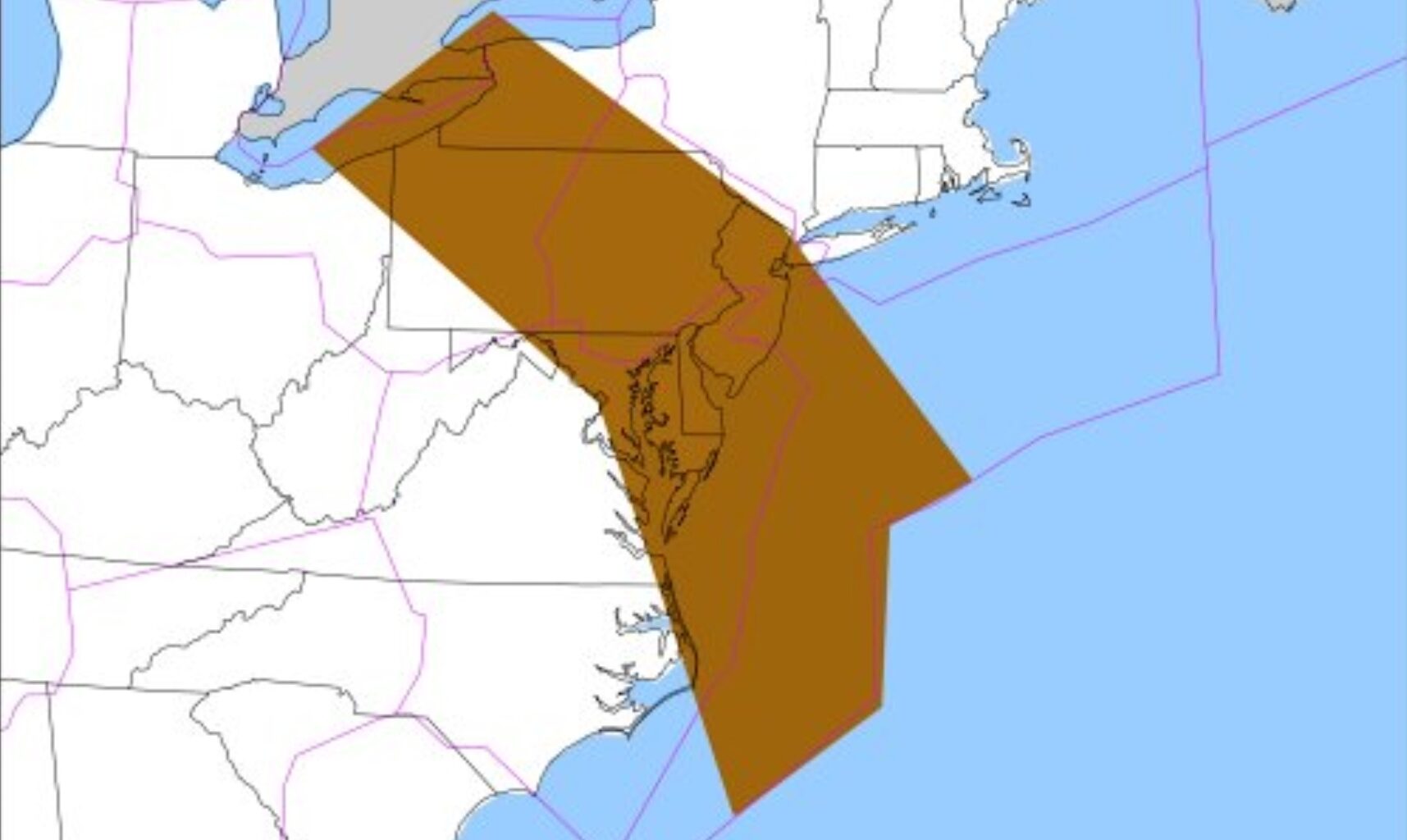
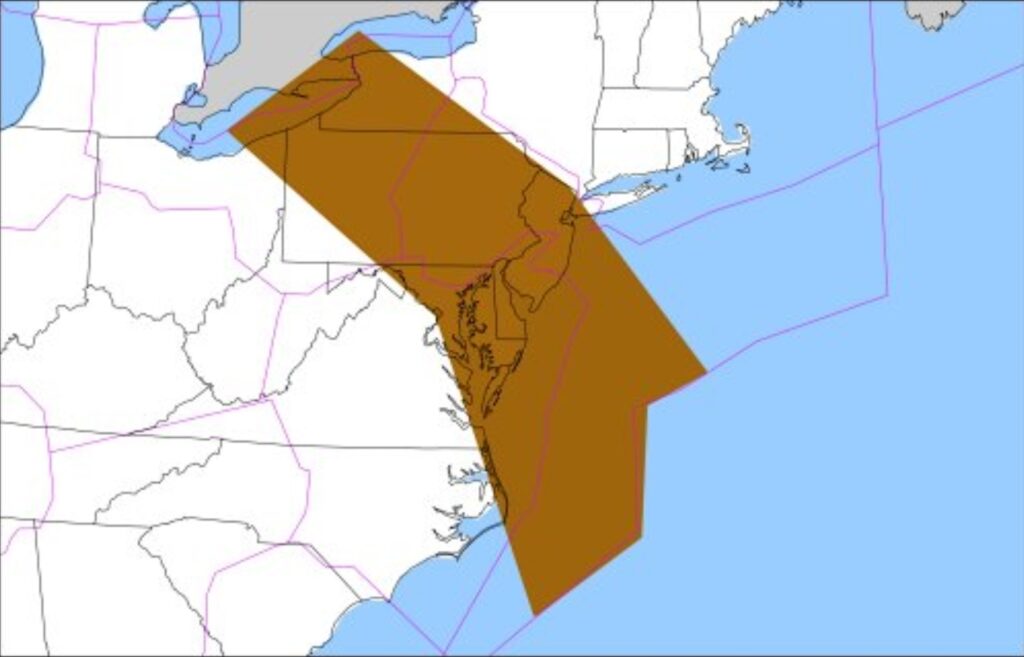
 The area in brown is under a severe turbulence alert. Image: NWS AWC
The National Weather Service’s Aviation Weather Center (AWC) has issued a Severe Turbulence Alert for portions of the northeast which includes the airspace above and around Pennsylvania’s Philadelphia International Airport (PHL), New Jersey’s Newark Liberty International Airport (EWR), and DC-area airports of Dulles International Airport (IAD), Ronald Reagan National Airport (DCA), and Baltimore-Washington International Airport (BWI) among otherd. Many other airports throughout the region and aircraft flying in the airspace above are impacted by this alert. Major U.S. carriers American Airlines, Delta Airlines, and United Airlines all have a significant presence in this region.
Specifically, XRAY 5 has been issued through at least 2217 UTC later today., extending an alert that was previously in effect over a smaller portion of this region earlier today. The AWC says that there is occasional severe turbulence between 24,000 and 34,000 feet.
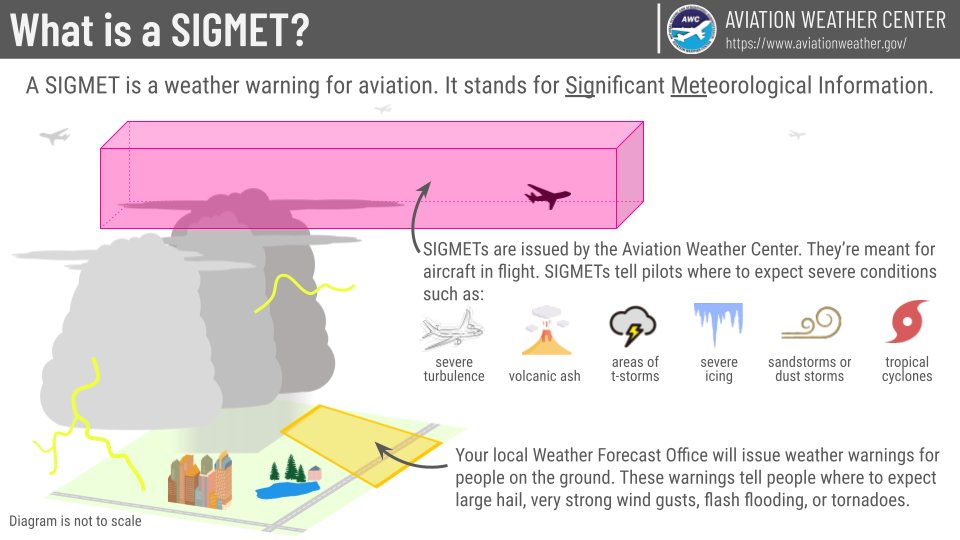 The National Weather Service’s Aviation Weather Center issues SIGMETs for significant meteorological events unfolding in airspace around the U.S. Image: NWS AWC
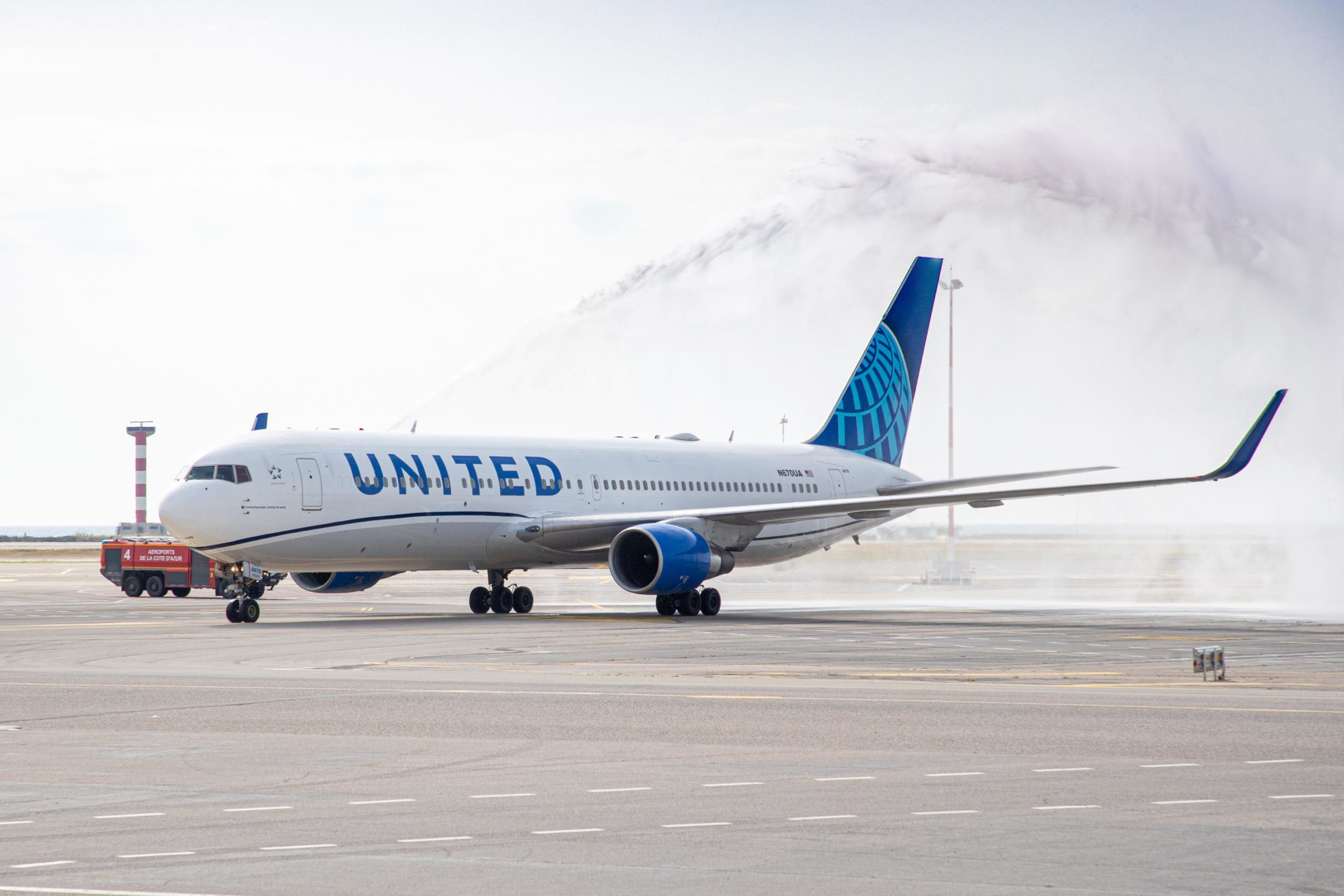 A United 767-300, like this one photographed on an inaugural Newark-Nice, France flight, encountered severe turbulence near Cancun, Mexico last year. Image: United Airlines
Wind shear is a difference in wind speed and/or direction over a very short distance in the atmosphere. Airline pilots generally regard significant wind shear to be a horizontal change in airspeed of 30 knots (15 m/s or 34 mph) for light aircraft and 45 knots (23 m/s or 51 mph) for traditional airliners flying at flight altitude.
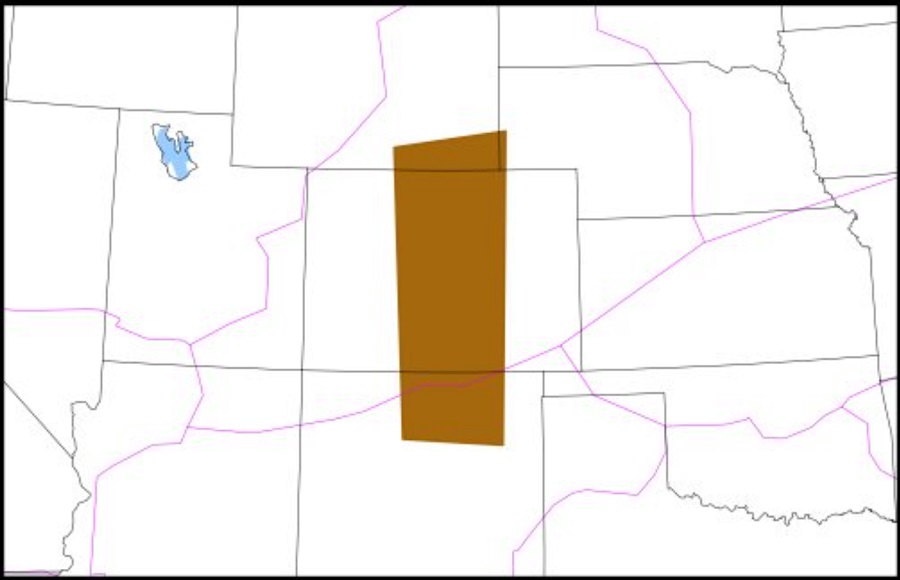 The area of the latest Severe Turbulence SIGMET is shaded in brown. Image: NWS AWC
Flying through turbulence can be dangerous, with injuries encountered on U.S. airline flights over the last several months.
In February 2023, a Newark-Tampa flight operated by United Airlines encountered severe turbulence. When flight 600 finally landed in Tampa, it was met by paramedics that treated passengers and crew at the scene. Ultimately, 1 flight attendant and 2 passengers needed hospitalization after being examined at the airport for injuries sustained during the rough flight.
In a prior winter, a United Airlines 767 jet encountered severe turbulence on its flight to Houston, Texas. Due to that encounter with rough air, 3 crew members and 2 passengers had to be rushed to the hospital for care upon landing.
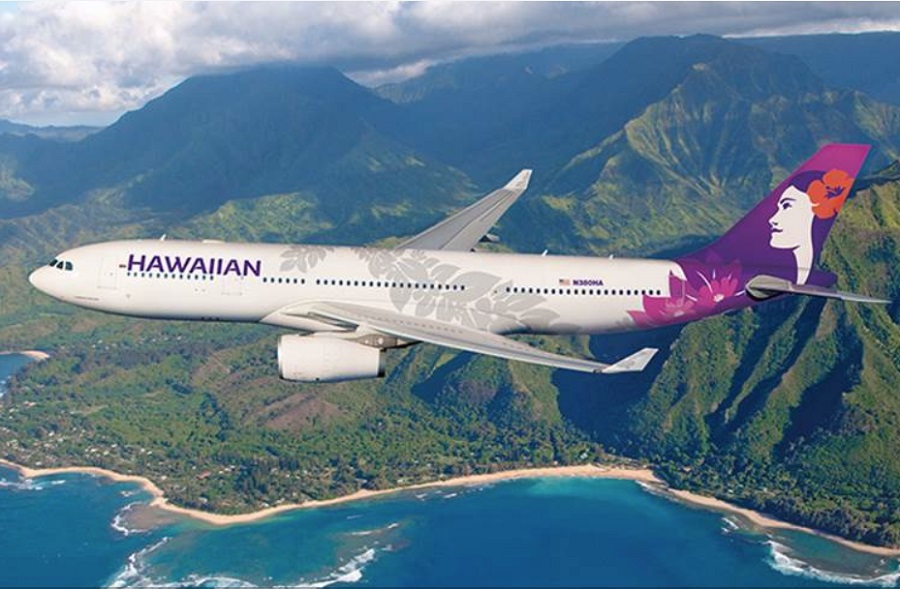 A Hawaiian Airlines Airbus 330 aircraft, such as this one pictured, encountered extreme turbulence in the last half hour of its flight from Phoenix to Honolulu last year. Image: Hawaiian Airlines
The day before the Houston incident, Hawaiian Airlines Flight 35 flew through severe turbulence before landing at Honolulu International Airport after originating in Phoenix, Arizona. A Mass Casualty Emergency Event was declared, with dozens of passengers needing care for injuries sustained in the violent ride. Officials with Honolulu Emergency Medical Services and American Medical Response say the flight encountered the extreme turbulence about 30 minutes prior to landing; they treated 36 patients at the airport. 20 patients, ranging from a 14-month old toddler to older adults, were transported to hospitals near the airport, some with serious injuries.
Known as a SIGMET, short for Significant Meteorological Information, the severe weather advisory issued by the AWC contains weather-related information concerning the safety of all aircraft passing through a specific zone. Sometimes AIRMETs are issued too; an AIRMET consists of turbulence, visibility, and icing-related warnings that are less severe than those in a SIGMET.