
Metro Philadelphia
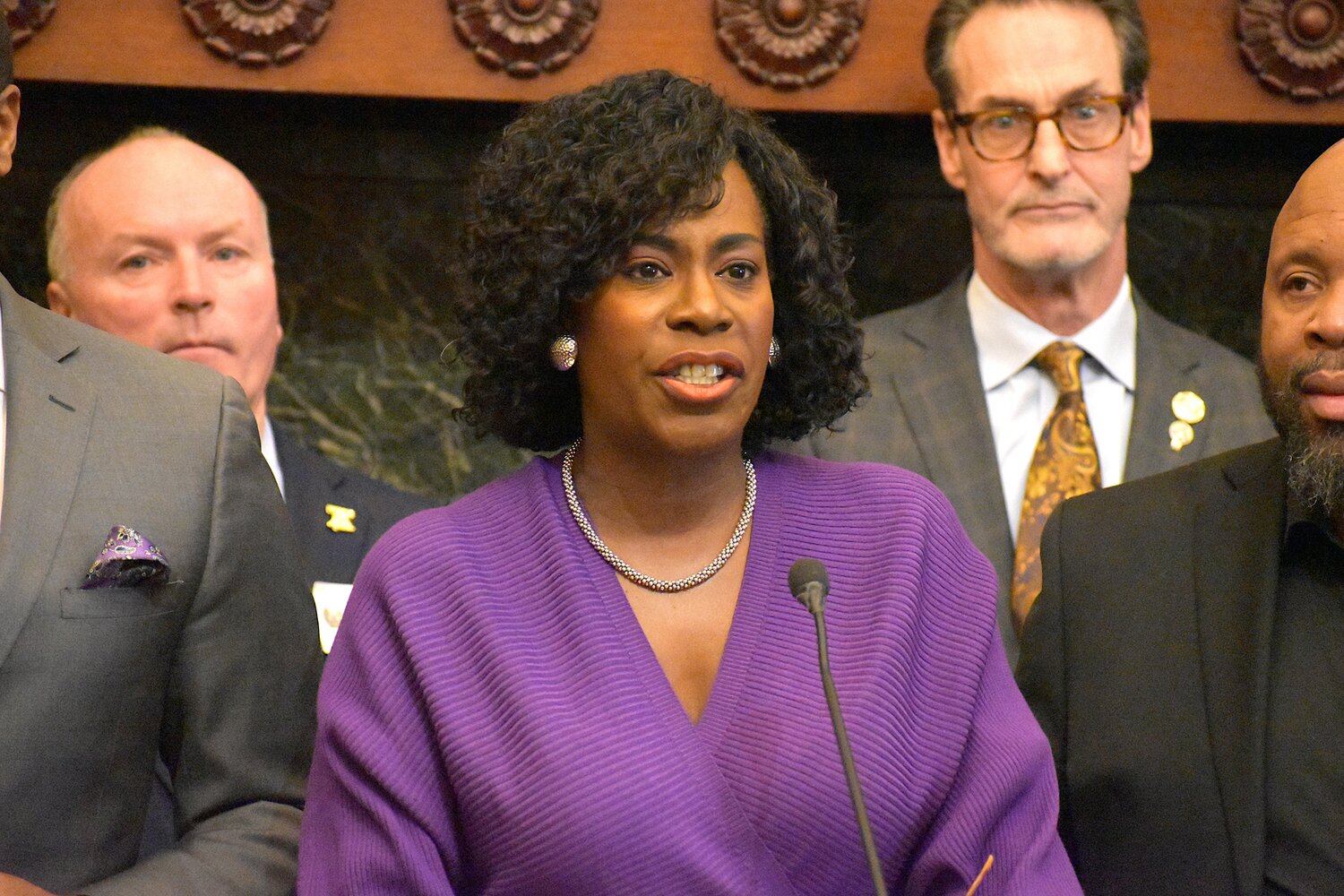
Mayor Cherelle Parker recently signed legislation aimed at protecting Philadelphia homeowners from deed fraud, advancing the city’s efforts to help residents recover properties stolen through fraudulent transfers.
The bill signing ceremony took place at City Hall last week alongside City Council Majority Leader Katherine Gilmore Richardson, who championed the legislation, as well as representatives from the Department of Records and Community Legal Services.
The legislation, Bill No. 250574, allows victims of deed fraud to receive refunds of realty transfer taxes paid during fraudulent transactions. City officials said the change removes a significant financial barrier for residents working to regain ownership of their homes.
“Deed fraud robs families not just of property, but of generational wealth and legacy,” said Parker. “This legislation helps ensure that victims are not further burdened by costs as they fight to reclaim what is rightfully theirs.”
Majority Leader Gilmore Richardson said the bill closes what she described as a critical loophole that allowed scammers to profit even after being caught.
“While the City cannot undo the harm these homeowners have endured, we can ease the financial burden and send a clear message that we stand with residents who have been wronged,” she said.
Under current practice, fraudsters often pay realty transfer taxes to record illegal property transfers, giving the appearance of legitimacy. Victims, meanwhile, can spend thousands of dollars in legal fees and related costs to restore ownership, according to Commissioner James Leonard of the Department of Records.
Attorneys Michael Froelich and Kate Dugan of Community Legal Services attended the ceremony, highlighting the role of legal advocacy in guiding residents through deed fraud cases.
City officials said the measure is part of a broader, multi-agency strategy to prevent deed fraud, which can disproportionately impact seniors and long-time homeowners. Efforts include enhanced monitoring of property records, public education campaigns and partnerships with legal service providers to assist affected residents.