
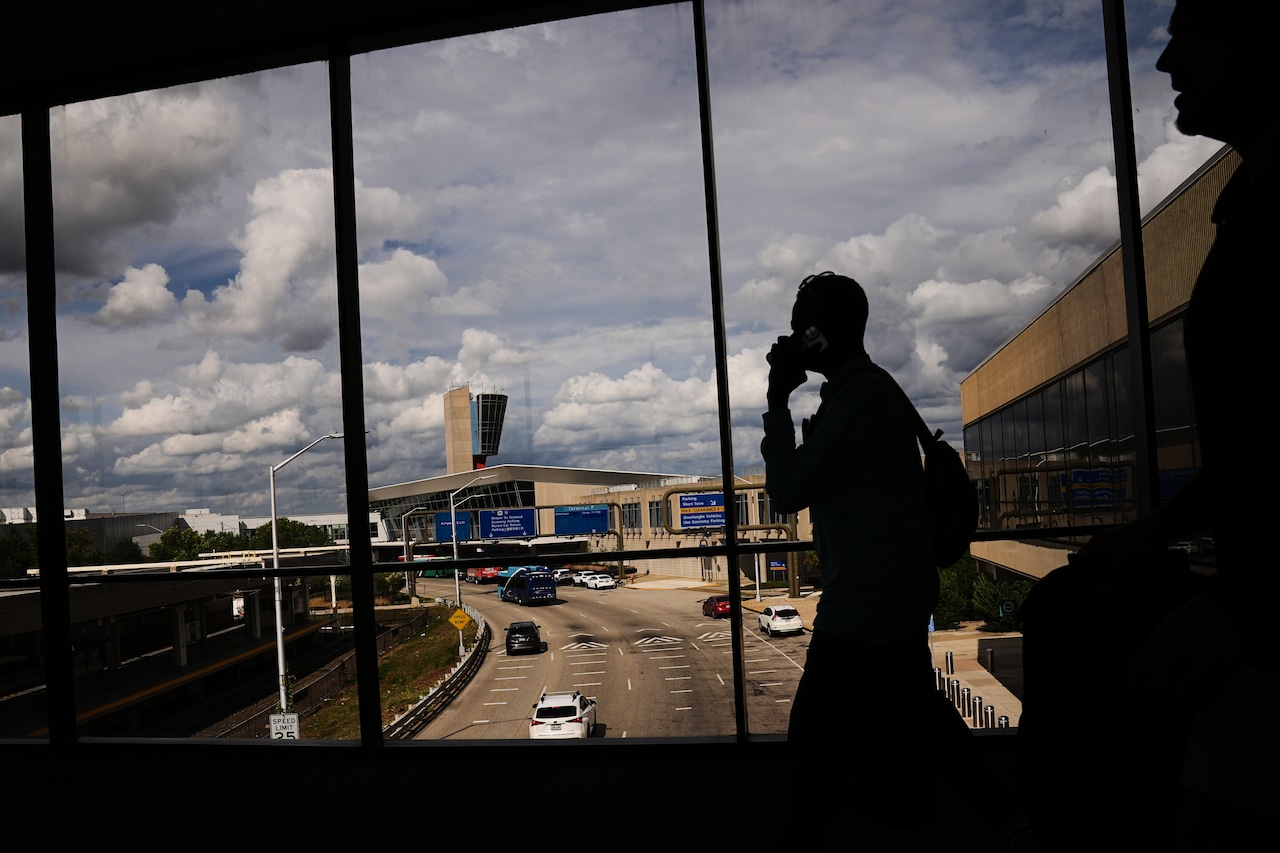
The Philadelphia Department of Health is warning about an exposure to measles that happened earlier this month at the Philadelphia International Airport.
Officials with the department said in a press release that the exposure occurred between 1:35 and 4:30 p.m. on Feb. 12 at the airport’s Terminal E.
Anyone who was in that area during that time period should check their vaccination status and watch for any possible symptoms.
Symptoms include a fever, an unexplained rash, cough, congestion or runny nose, or red watery eyes.
“We believe there is no threat to the general public associated with this case of measles,” Health Commissioner Dr. Palak Raval-Nelson said in the release. “We encourage people who were possibly exposed to take action if they are not protected against measles. Many countries, including travel destinations, are experiencing measles outbreaks, so the risk of travel-related measles cases remains.
“We strongly encourage parents to follow the immunization schedule and get their children fully vaccinated as soon as they are able,” he continued. “People planning to travel outside the United States or to locations within the United States with large outbreaks should speak with their doctor about their travel plans and vaccinations needed.”
Measles is a highly contagious disease that spreads through the air whenever an infected person coughs, sneezes or even breathes. It can also be spread via droplets from an infected person. It is contagious for 4 days before to 4 days after a rash starts.
Anyone who was born before 1957, received two doses of the MMR vaccine, or has lab confirmation of their immunity is likely protected from the disease.
Infants and children under five, pregnant women and people with weakened immune systems are at the greatest risk of developing complications from measles.
There have been eight confirmed cases of measles in Pennsylvania so far, six of which have been in Lancaster County.
Anyone with questions or concerns should either contact the Philadelphia department at 215-685-6740 or the state health department at 877-724-3258.