
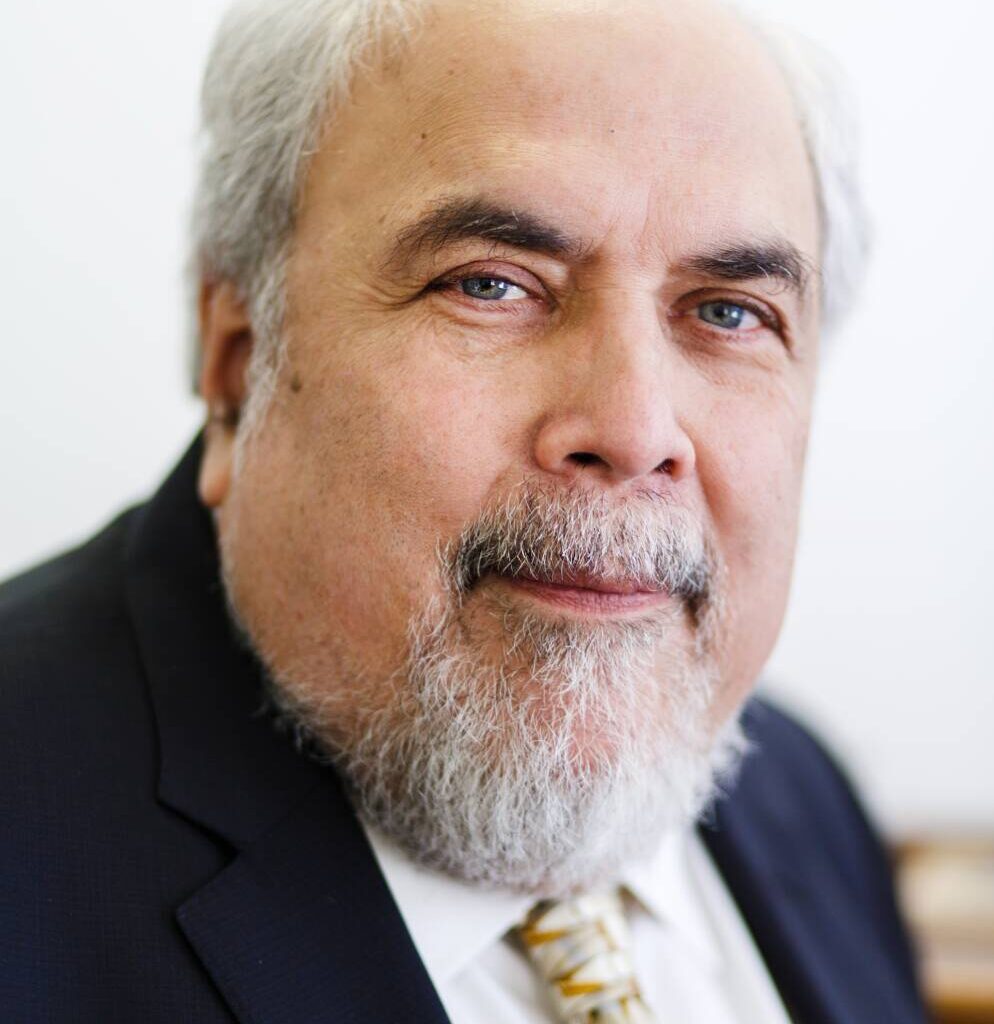
 David Ferleger. (Courtesy of David Ferleger)
David Ferleger, Esq., has always wanted to help people. He went to college in the tumultuous 1960s, and decided as a young person that he wanted to use his time and abilities to advocate for those who may not be able to advocate for themselves.
“So I applied to law school, went to Penn, and graduated,” he said.
Now, decades later, Ferleger stands as an accomplished litigator and legal scholar. He has a national law and consulting practice that concentrates on public interest, civil rights and disability law, which has led him to argue before the Supreme Court a number of times.
The Germantown Jewish Centre member is a founding member and board member of the Academy of Court Appointed Masters, a fellow of the American Association on Intellectual and Developmental Disabilities and has taught at New York University Law School and the University of Pennsylvania Law School. He has authored a number of books, as well.
Ferleger first became interested in the rights of those with disabilities as that discipline was being forged, and got much of his early experience straight from the source.
“In law school, I got interested in the rights of people with mental health and related disabilities, and I studied a little bit of that area of the law. It was just beginning, the rights of people with mental health and other issues, and I spent the last year of law school actually hanging out in the locked unit of a state mental hospital,” Ferleger said.
Ferleger discovered that many of the methods used to murder Jews in the Holocaust were first used on the disabled, which drew him deeper into the rights of the disabled. The Holocaust is an issue close to him — over one hundred members of his family died at the hands of the Nazis.
“My parents survived the Holocaust, but most of our family was killed. My father counted it up once, and of the immediate family of the Ferleger family, there were 128 people who were killed in the Holocaust,” he said.
Ferleger never stopped learning about disability rights or Jewish history, and earned his master’s degree in Jewish Studies from Gratz College this year.
“My senior paper in law school was on the rights of people with disabilities, and Gratz college is now awarding me my master’s degree with regard to a paper on the rights of people in a synagogue context who have accommodations when they have disabilities,” Ferleger said. “It’s kind of ironic that I graduated from law school, like, 50 years ago and won an award and published a paper on the rights of people with disabilities, and it turned out that my thesis for my masters degree was on accommodations for people with disabilities.”
Ferleger first’s first foray at Gratz was actually as a high school student, as the college used to have a high school, too. He applied for a master’s in Jewish studies at Gratz in the early ‘90s, but life and career constraints led to that turning into a 30-year journey to getting his degree. His thesis combined his interests: Ferleger focused on how the Torah deals with disabilities and accessibility.
This goes back to his original reason for getting into the law in the first place: to make a “practical difference” in the world. That’s not just rooted in Jewish values, but Ferleger’s family’s values, too.
For Ferleger, Jewish education has always been something that has been important, even as he carved out an impressive career in law.
“I’ve always been, one way or another, studying and learning Jewish literature, Jewish history, Jewish [anything],” Ferleger said.