
Known for his presidential campaigns and decades of activism, civil rights leader Jesse Jackson shared a powerful connection to Philadelphia that continues to shape the city. Jackson died Tuesday morning. He was 84.
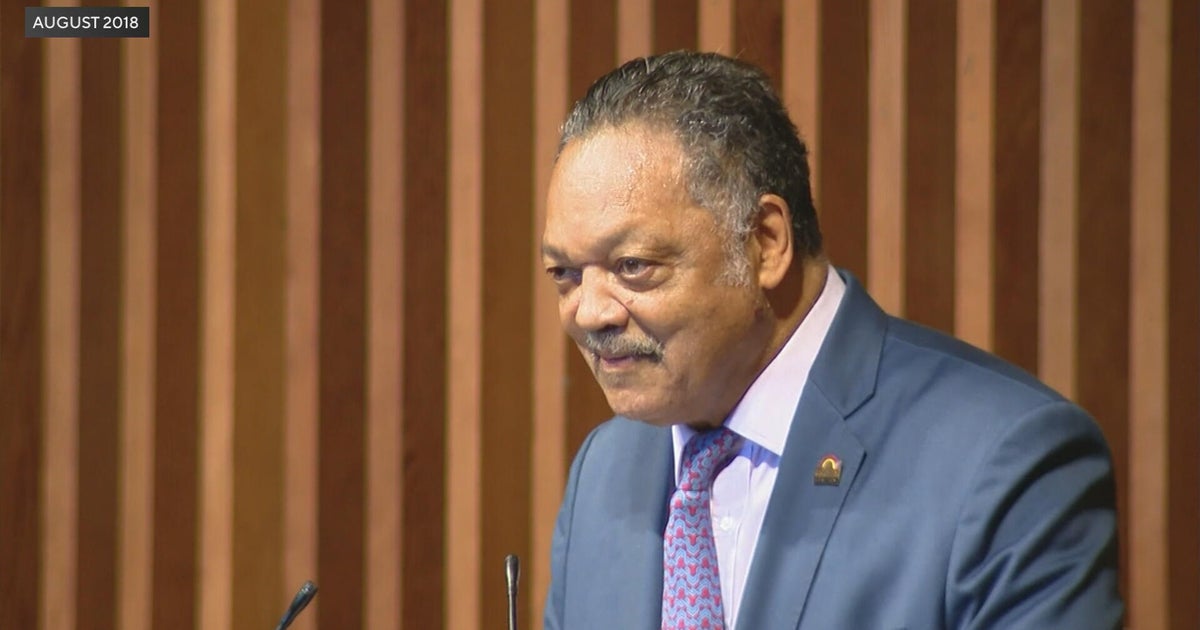
In 2018, Jackson delivered a fiery sermon inside Bright Hope Baptist Church in North Philadelphia. Pastor Rev. Dr. Darron D. McKinney remembers it vividly.
“As a student of the Black church, and as a Black preacher, I understood the weight that that moment meant,” McKinney said.
Jackson was in town for the 57th Annual Progressive National Baptist Church Convention. During his visit, McKinney gave him a tour of the historic church and met members of Jackson’s family, including his wife and children. The experience left a lasting impression.
“There are so many people who are looking for hope, and he was here that day to infuse us with hope, to let us know that we can keep hope alive,” McKinney said.
Jackson’s connections to Philadelphia extended beyond the pulpit. During his presidential campaigns in the 1980s, supporters like Barbara Chavous-Pennock from Bridgeton, Cumberland County, New Jersey, organized rallies across the city to build momentum.
“We really believed in what he stood for, what he represented, all of his years of advocacy on behalf of the African American community, of people that looked like us,” Chavous-Pennock said. “Black, Brown, and folk who wanted an opportunity for equality, inclusion, and to be a part of the political system, the economic system, the educational system, in every way possible.”
Jackson’s ties to the area date back decades. In 1969, Lincoln University awarded him an honorary doctor of divinity degree. Lincoln University president Brenda A. Allen said his voice echoed far beyond the movement he led.
“We want to remember him for not just what he did for people of African descent, but for what he did for equality and humanity overall,” Allen said.
For McKinney, Jackson’s legacy is deeply personal.
“History should remember Rev. Jackson from the perspective that he married theology with practical living,” McKinney said. “He was able to see the issues that we’re confronted with and apply scripture with it to show us a biblical model on how we should change our lives.”
McKinney believes Jackson’s message of faith, justice and empowerment will continue to resonate across Philadelphia for generations to come.
More from CBS News