
The Rev. Jesse Jackson’s national civil rights legacy was felt personally in Pittsburgh, where friends, advocates and public officials say his repeated visits left an imprint on local leaders and young people alike.Jackson, who died at 84, spent years returning to the region to campaign, advocate for unions and minority communities, and press residents to vote. Former Allegheny County Executive Rich Fitzgerald said meeting Jackson was “an honor,” calling him a legendary figure who made Pittsburgh a place he returned to often “to come here and do some work.” Fitzgerald also remembered a serious leader who still made room for humor during his trips.For Tim Stevens, founder of the Black Political Empowerment Project, Jackson’s presence was both commanding and motivating. Stevens stood with Jackson during a 2014 appearance in Pittsburgh, when Jackson called for a federal election system, arguing voters no longer trusted states to protect their voting rights. “You just knew that you were in the presence of, as he would say, somebody. Somebody who could move the planet, somebody who could move this country, and somebody who could inspire,” Stevens said, adding that Jackson’s message—“keep hope alive”—resonated with people who felt they had little hope.Local business leader and community advocate Gil Berry said he first met Jackson during a 1991 visit, and the relationship grew into a lifelong friendship. Sitting in his Mon Valley office surrounded by photos and mementos, Berry described Jackson as “bigger than life,” but also someone who treated people warmly once he knew them. “If he knew you, you were like a friend,” Berry said. “And he wanted you to carry on the legacy… It’s up to you to teach the next generation.”Berry said he invited Jackson back to the Pittsburgh area to speak directly to young people about issues including drugs and teen pregnancy, believing students needed to see “a real living legend.” He said Jackson spoke to high school students in Duquesne and Clairton and appeared at an event at the Vista Hotel in Pittsburgh, underscoring what Berry called Jackson’s dedication to his mission.That personal connection extended beyond public appearances, Berry said, recalling the pride of being invited to Jackson’s birthday celebration—an event he described as packed with prominent guests and longtime friends. For Berry, it was a reminder of how far Jackson’s reach extended, and how deeply he valued relationships with people he met along the way.Those who knew Jackson here say the grief is real, but so is the responsibility they believe he left behind: to keep pushing forward, and to pass his message to the next generation.Download the WTAE app to stay connected with breaking news. Sign up for our email newsletters to get breaking news in your inbox.
PITTSBURGH —
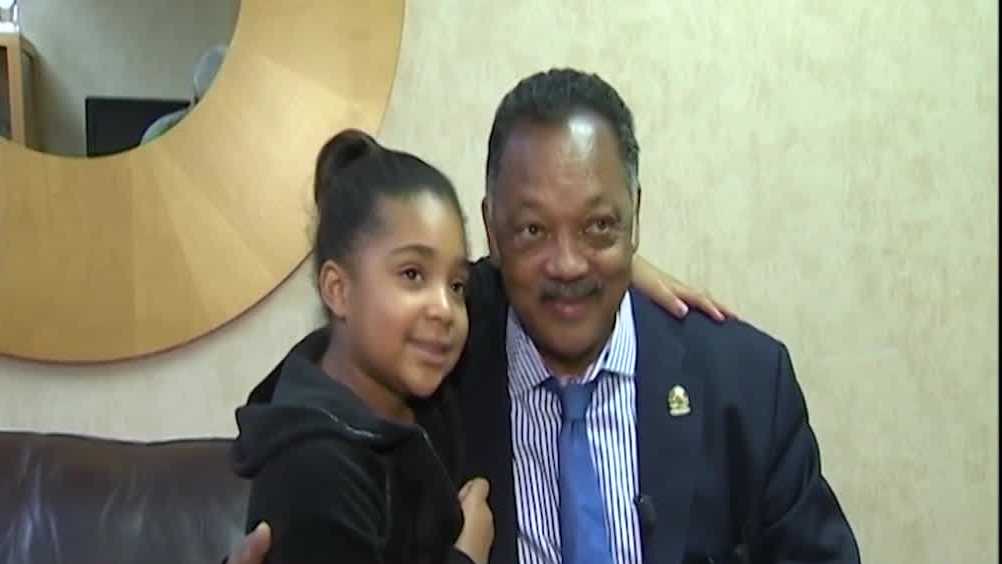
The Rev. Jesse Jackson’s national civil rights legacy was felt personally in Pittsburgh, where friends, advocates and public officials say his repeated visits left an imprint on local leaders and young people alike.
Jackson, who died at 84, spent years returning to the region to campaign, advocate for unions and minority communities, and press residents to vote.
Former Allegheny County Executive Rich Fitzgerald said meeting Jackson was “an honor,” calling him a legendary figure who made Pittsburgh a place he returned to often “to come here and do some work.”
Fitzgerald also remembered a serious leader who still made room for humor during his trips.
For Tim Stevens, founder of the Black Political Empowerment Project, Jackson’s presence was both commanding and motivating. Stevens stood with Jackson during a 2014 appearance in Pittsburgh, when Jackson called for a federal election system, arguing voters no longer trusted states to protect their voting rights.
“You just knew that you were in the presence of, as he would say, somebody. Somebody who could move the planet, somebody who could move this country, and somebody who could inspire,” Stevens said, adding that Jackson’s message—“keep hope alive”—resonated with people who felt they had little hope.
Local business leader and community advocate Gil Berry said he first met Jackson during a 1991 visit, and the relationship grew into a lifelong friendship.
Sitting in his Mon Valley office surrounded by photos and mementos, Berry described Jackson as “bigger than life,” but also someone who treated people warmly once he knew them.
“If he knew you, you were like a friend,” Berry said. “And he wanted you to carry on the legacy… It’s up to you to teach the next generation.”
Berry said he invited Jackson back to the Pittsburgh area to speak directly to young people about issues including drugs and teen pregnancy, believing students needed to see “a real living legend.” He said Jackson spoke to high school students in Duquesne and Clairton and appeared at an event at the Vista Hotel in Pittsburgh, underscoring what Berry called Jackson’s dedication to his mission.
That personal connection extended beyond public appearances, Berry said, recalling the pride of being invited to Jackson’s birthday celebration—an event he described as packed with prominent guests and longtime friends. For Berry, it was a reminder of how far Jackson’s reach extended, and how deeply he valued relationships with people he met along the way.
Those who knew Jackson here say the grief is real, but so is the responsibility they believe he left behind: to keep pushing forward, and to pass his message to the next generation.
Download the WTAE app to stay connected with breaking news. Sign up for our email newsletters to get breaking news in your inbox.