
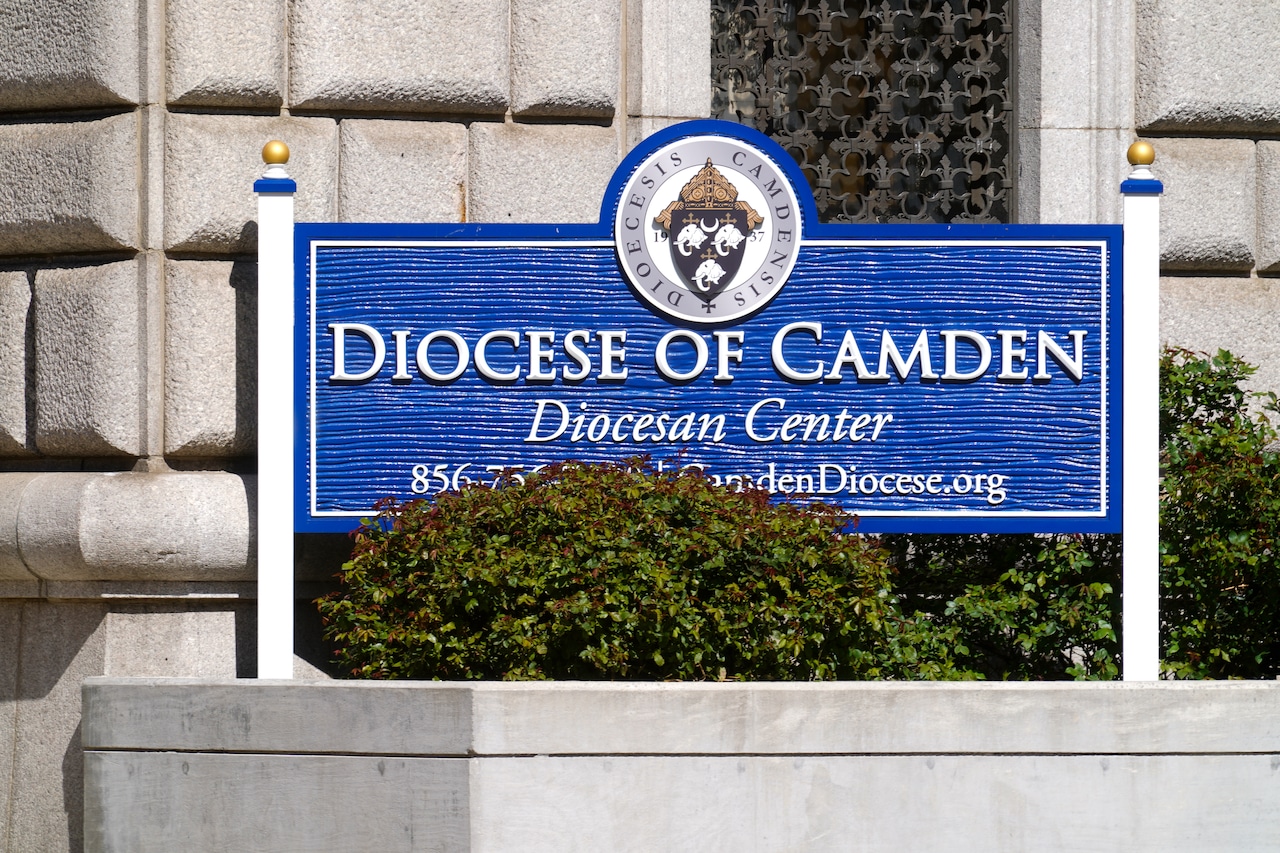
The Diocese of Camden announced a proposed $180 million settlement on Tuesday to resolve claims by hundreds of childhood victims who suffered sexual abuse over the years at the hands of the clergy.
Church officials said the plan, which was filed in its ongoing bankruptcy case, will establish a trust funded by the diocese, its parishes and the various insurers that insured the diocese in the past.
“For the survivors of South Jersey, this day is long overdue and represents a milestone in their journey toward restored justice and the healing and recognition they have long sought and deserve,” said Bishop Joseph Williams in a letter to the diocese.
The flood of victims, now all adults, led to the diocese seeking bankruptcy protection in 2020, in the wake of an extension of time allowed to file for recompense under the New Jersey Independent Victims Compensation Program. Those claims left the church with mountains of debt.
“To each one of those survivors, I would like to say thank you for your courage in coming forward. Without your bravery and persistence, this new day would not have dawned,” wrote the bishop. “I am profoundly sorry for what you have suffered. It was a grave sin and a devastating betrayal of the trust you placed in the church that you loved.
“I cannot remove the scars you carry nor restore the innocence you lost, but on behalf of my predecessors and the faithful of Camden I can say clearly and without reservation we believe you, we are sorry and we are committed to walking a different path going forward with you, God willing, at our side.”
Because the settlement was approved by the diocese, its insurers, and the committee representing victims, the judge is expected to approve it. How much each individual receives will be determined by a U.S. Bankruptcy Court judge, according to attorneys representing individuals who made claims.
The Camden diocese oversees nearly half a million Catholics in 62 parishes in Atlantic, Camden, Cape May, Cumberland, Gloucester and Salem counties.
While the proposed settlement is large, it remains dwarfed by $880 million settlement that the Archdiocese of Los Angeles agreed to pay in 2024 to victims of clergy sexual abuse there that dated back decades.
In Camden, more than 300 claims have been filed by sexual abuse survivors. How much each are awarded will be determined by the court, according to attorneys involved in the negotiations.
A committee charged with protecting the interests of approximately 330 survivors of sexual abuse who were among the bankruptcy creditors said the settlement was more than six times the amount originally proposed in the diocese’s 2021 reorganization plan.
Jeffrey D. Prol, an attorney for Lowenstein Sandler of Roseland who represented the committee with others, said he was “in awe of the fortitude of these survivors, who have waited years to receive compensation for the horrible wrongs they have suffered,” adding that he was hopeful that resolving the bankruptcy case “will prove to be a step forward in their personal recovery journeys.”
Another lawyer who represented victims of abuse in the diocese, Greg Gianforcaro, said that after decades of being ignored and dismissed, survivors of sexual abuse in the diocese finally reached a measure of accountability.
“Their persistence in standing up to those who harmed them made this moment possible,” Gianforcaro said.
In addition to the monetary compensation, attorneys John Baldante and Gabriel Magee, whose clients were involved in the court action, said the diocese agreed to many non-monetary provisions of the settlement, including production of all files for priests who have been accused of abuse during more than five years of litigation in the bankruptcy system.
The bishop said his approval of the agreement was given with the overwhelming support of the Diocese’s College of Consultors and the Diocesan Finance Council, who put “compassion for the survivors at the forefront of their decision-making,” he said.
In his letter, he credited both for the willingness “to make a significant financial stretch in order to make the church’s concern for the survivors even more credible.”