
Another of the world’s top pharmaceutical companies is making Pennsylvania a part of major North American expansion plans.
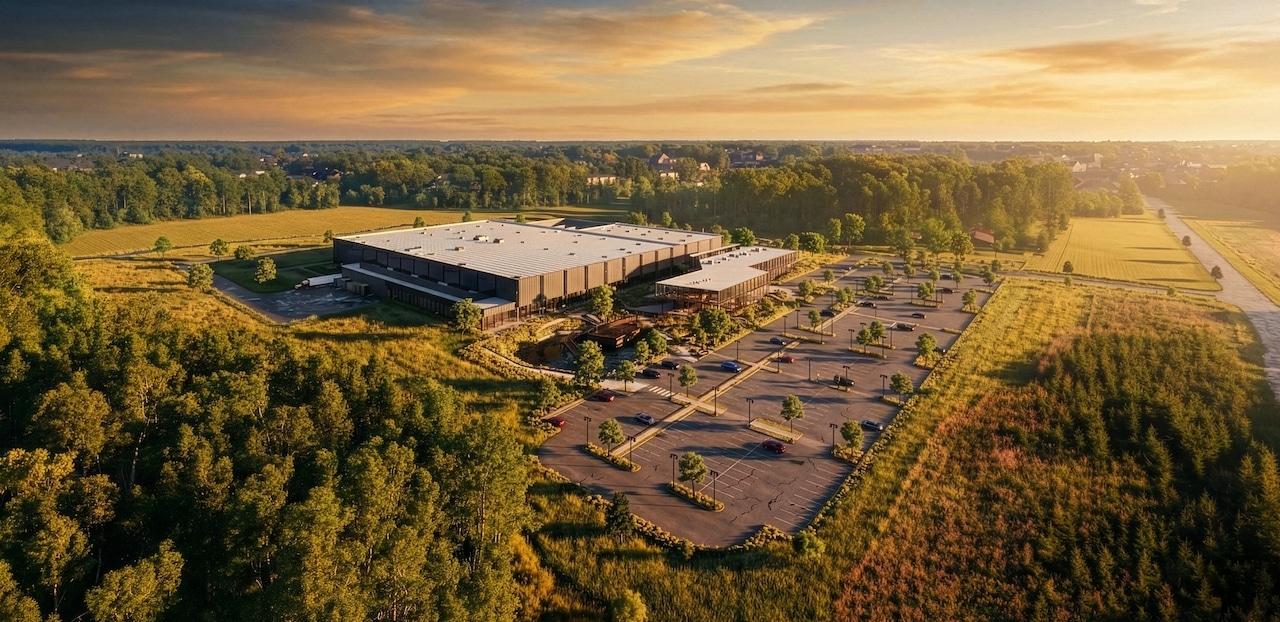
Johnson & Johnson said Wednesday it will build a new “next-generation” cell therapy plant in Lower Gwynedd, Montgomery County.
The company said the $1 billion-plus plant, operated under Johnson & Johnson’s Janssen BioTech flag, will open in 2031, and will eventually create more than 500 bio-manufacturing jobs.
It is the second major pharmaceutical site win for Pennsylvania in as many months, coming on the heels of Eli Lilly & Co.’s announcement of a $3.5 billion plant in the Lehigh Valley in January.
Johnson & Johnson announced it was coming to Pennsylvania with one of a series of four new, tariff-busting plants in January.
Today’s announcement was a reveal of the exact location.
Johnson & Johnson CEO Joaquin Duato, standing with Gov. Josh Shapiro, said the new plant “will advance the company’s industry leading portfolio and pipeline of transformational medicines for cancer, immune-mediated and neurological diseases…
“The new facility will increase our already significant footprint in the Commonwealth, adding U.S.-based jobs to manufacture cutting edge medicines for patients.”
Immune-mediated diseases, according to the Cleveland Clinic, occur when a person’s immune system is more active than it should be. With no invaders to attack, the immune system turns on the patient’s body and damages healthy tissue.
Autoimmune diseases are usually chronic conditions, requiring lifetime management of the disease and the symptoms it causes.
Wednesday’s announcement is part of New Jersey-based Johnson & Johnson’s previously announced plan to invest $55 billion in U.S. manufacturing, research and development, and technology through early 2029.
Many pharmaceutical companies are working to bring more drug manufacturing into the U.S. as part of a deal with the Trump Administration for tariff relief.
As another part of that deal, the company announced last month it would fully participate in TrumpRx.gov, a direct to patient platform designed to allow millions of American patients to purchase medicines at significantly discounted rates considered comparable to pricing schemes in other developed countries.
“Our goal is that, at the completion of our… investment plan, essentially all the advanced medicines that are used in the U.S. will be manufactured here in the U.S. And I think that’s great,” Duato said last month, addressing the 2026 J.P. Morgan Healthcare Conference.
“It’s great for the country. It’s great to create jobs. And it’s great to create more resiliency in our supply chain.”
As part of its strategy, Johnson & Johnson has already announced plans for two new plants in Wilson, N.C.
On Wednesday, Pennsylvania got its piece of the pie, a site selection win celebrated by politicians from both parties.
Where Lilly announced its first plant in Pennsylvania, however, Johnson & Johnson adds to an already well-established footprint encompassing manufacturing, research, distribution, and office operations.
That includes research and development hubs in Spring House, where today’s reveal took place, and Horsham; a manufacturing plant in Malvern; and a major MedTech center in West Chester.
As a cell therapy plant, the Montgomery County facility could be an especially important part of Johnson & Johnson’s future.
Cell therapy refers to the introduciton of a specific cell type or types in a person to treat or prevent a disease.
As reported in the trade journal BioSpace, major drugmakers like Johnson & Johnson are bulking up investments in these hard-to-commercialize technologies as other product patents are set to expire.
The Shapiro Administration said it has committed $41 million in tax credits, grants and workforce training funds to the project.
The plant will also be placed in the state’s fast-track permitting program.
“We value Johnson & Johnson’s long-time partnership here in Pennsylvania, and its decision to reinvest in Montgomery County is another huge win for the Commonwealth – further expanding our life science ecosystem, while also producing life-saving medications for people undergoing cancer treatment, ” said Rick Siger, secretary of the state Department of Community and Economic Development.
“This announcement also sends a clear message that Pennsylvania is competing — and winning — when it comes to attracting world-class life sciences companies, growing high-quality jobs, and driving long-term economic growth across the Commonwealth.”