
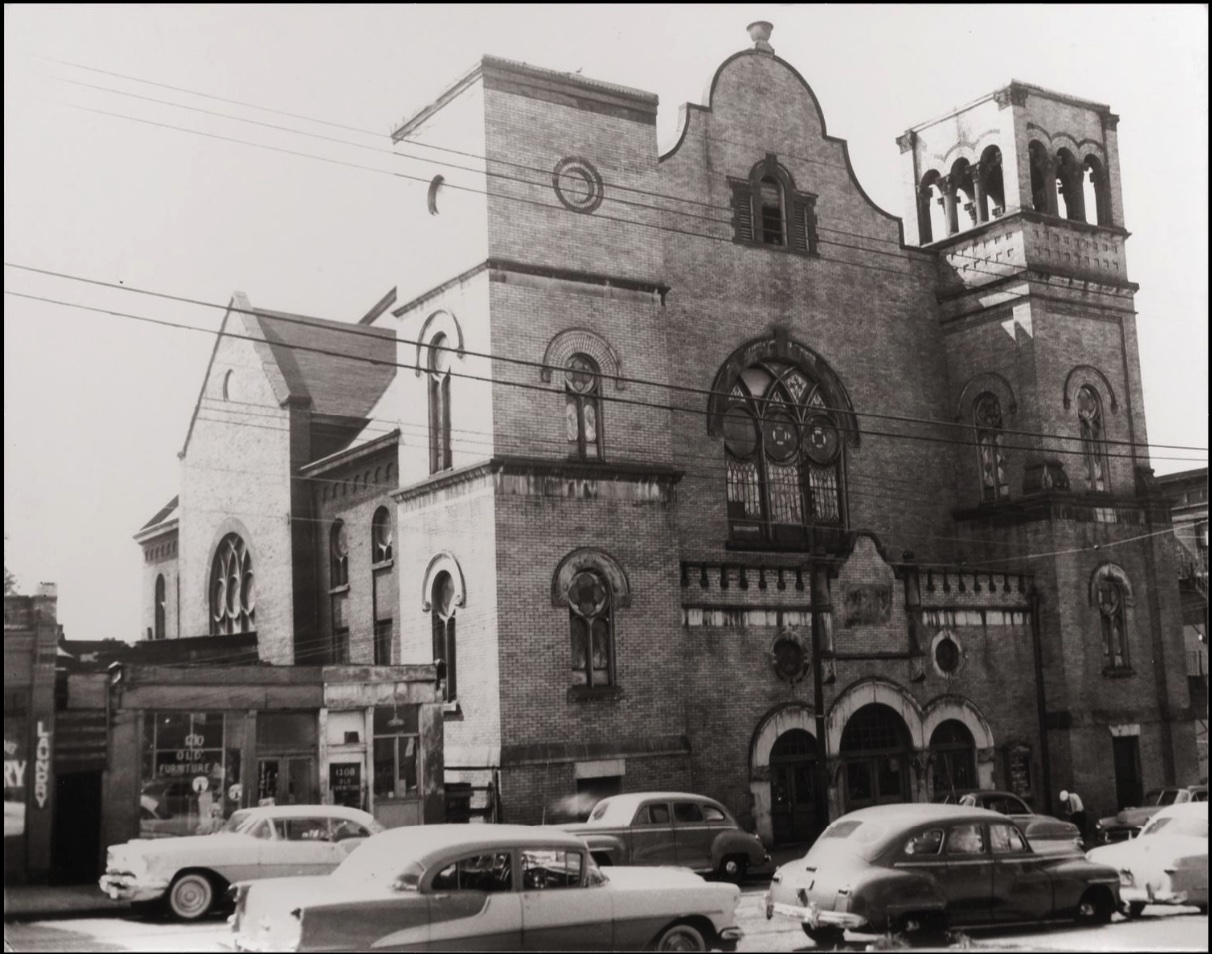
On a cold February afternoon, a group of Pittsburghers will board a bus not to revisit what the city has lost, but to remember what it has built and, more importantly, who built it.
The Cultural Movement History and Heritage Tour, launching at the end of Black History Month, Feb. 28, will offer a new way to experience Black Pittsburgh. Curated by Culturvate Enterprises, the tour will debut a guided bus experience centering on the Hill District, one of the most historically significant Black neighborhoods in Pittsburgh. It will include stops at the August Wilson House and the New Pittsburgh Courier, pairing historical institutions with music, storytelling and community engagement.
For Culturvate Enterprises founders Briana White and Brandon Rice, the tour is both a business and a personal project.
“We wanted to give people an opportunity to experience something they didn’t know,” White says. “I’m all about making sure people are educated but also that they enjoy themselves while doing it.”
Building Culturvate Enterprises
Culturvate, founded in 2024, grew out of White and Rice’s aspiration to create new experiences that felt intentional, inclusive and rooted in Pittsburgh’s Black community. The company began with Culturvate Cruises, a boating business that hosts celebrations and private events on the water, before expanding the launch of its bus.
White, a longtime entrepreneur and food writer, is widely known in Pittsburgh for her work in the culinary industry. She previously wrote restaurant reviews for the New Pittsburgh Courier and The Soul Pitt, competed in local cooking competitions and founded Wing and Mac SmackDown, which highlights Black chefs, caterers and home cooks around the city.
 Brandon Rice and Briana White. Photo courtesy of Culturvate Enterprises.
Rice, a Pittsburgh native who grew up in Columbus, Ohio, brings a background in business administration, health care, real estate and the arts. He is also a musician and performer who has appeared at events like the August Wilson Block Party.
Together, they see Culturvate as more than an events company.
“We’re not just copying what already exists, we’re always asking how we can make an experience better, more intentional, more meaningful,” Rice says.
Positioned as a symbolic center of Black Life, the physical history of Pittsburgh’s Hill District has been thoroughly displaced. For White and Rice, centering the tour here was deeply intentional.
“A lot of Pittsburgh’s Black history either came from the Hill District or passed through it in some way,” White says. “From musicians going to the Crawford Grill to churches like Bethel [African Methodist Episcopal], which is celebrating 200 years, this is where our story lives.”
The tour will include a guided visit to the August Wilson House, honoring the Pulitzer Prize-winning playwright, and a stop at the New Pittsburgh Courier, one of the nation’s most significant Black newspapers.
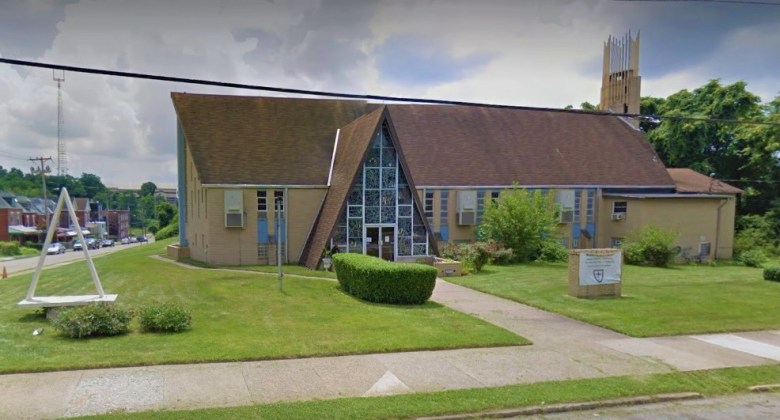 Bethel AME Church, now located at 2720 Webster Ave., aka “The church on The Hill with the mountain top experience,” in 2022. Photo courtesy of Bethel AME.
Rice emphasized that these institutions represent more than famous names.
“People see August Wilson and think that’s all of our history,” he says. “But there were so many movers and shakers here — families, writers, business owners, whose stories were never fully documented.”
Focusing on joy, not just loss
While many historical tours emphasize trauma and erasure, Culturvate’s approach focuses on Black joy.
“Every day we hear about death, violence and loss,” White said. “We’re so much more than that. We’re not a monolith. I really want to highlight the positivity around Black Pittsburgh.”
Through the structure of the tour, between stops, participants will hear music from Hill District artists, play trivia games and experience history as something lively rather than distant.
That framing allows for a shift in how Black Pittsburgh is being remembered and how their stories are being retold, specifically for younger generations who are seeking affirmations of life. By blending education with entertainment, the tour is making history accessible.
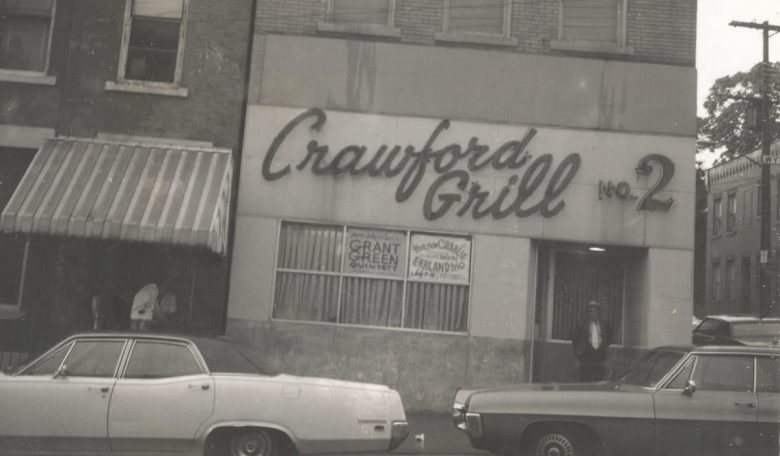 Crawford Grill No. 2 facade in 1975. Image courtesy of McBride Sign Co. Photographs, Detre Library & Archives, Heinz History Center.
What may resonate and what may surprise
For many participants, the moments that may resonate the most may not be well-known landmarks, but personal discoveries. For Rice, the stop at the Courier carries a personal weight as his great-grandmother was a columnist for the paper. Discovering her work may help him to better understand his own family history.
The tour invites others to have similar moments of reflection, to recognize that Black history in Pittsburgh is familial. That recognition may come as a surprise, especially for those who have lived in the city for years without ever encountering these stories.
“We don’t realize how deep and wide our history goes, and because so many neighborhoods were leveled, that history became disconnected from place,” Rice said.
A movement, not just a moment
The tour’s name, Cultural Movement History and Heritage Tour, mirrors how White and Rice see their work fitting into a broader movement in Pittsburgh.
“I really believe we’re in a renaissance period again,” Rice says. “Our people are creating businesses, music, fashion, and we need a connection to our roots so we don’t lose ourselves as the city grows.”
That intentionality is central to Culturvate’s Mission. Rice described the company’s work as a response to gaps he has noticed in the Pittsburgh cultural scene.
“If we don’t do this work, who will?” he says. “We feel responsible because we’re able to do it.”
The Cultural Movement History and Heritage Tour is not meant to be a single moment in February, but a starting point to remind Pittsburgh that Black history is still alive, evolving and being written.
Sometimes the first step toward remembering is choosing to simply ride along.
Kamani Kegler is a senior at the University of Pittsburgh and one of the Pittsburgh Black Media Federation‘s Chris Moore interns.