
There are many problems in our country, our state and our communities we accept can’t be remedied with the stroke of a pen.
Fixing them might involve changing minds and opening hearts on a foundational level, and perhaps even changes to long-established law through years of wrangling in the courts. It depends on the issue, of course. But experience has taught us not to expect lasting change that comes quickly. True change on many issues like these can only come in the relative near-term from an overwhelming buy-in not guaranteed in divided communities.
However, when it comes to the burgeoning housing issues affecting both the nation and Pennsylvania, we seem to accept a simple solution.
Build more houses.
Do that, and the supply will come closer to meeting the demand, prices will drop and more people will be able to afford the key piece of the American dream known as home ownership.
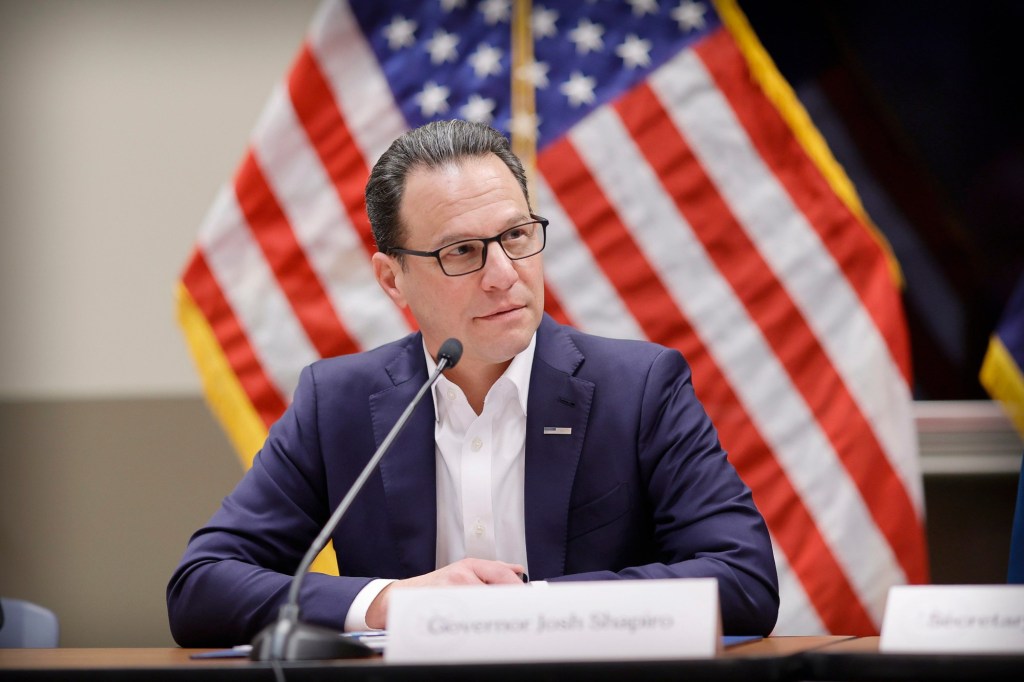
That is part of the battle, and Gov. Josh Shapiro’s recent commitment to boosting the commonwealth’s housing stock is no small step toward a realization that Pennsylvania needs more housing, built faster and with fewer governmental hoops through which developers must leap to get it all done.
In his 2026-27 Housing Action Plan released in January, Shapiro urges the state to take an aggressive approach to housing, including the construction of 450,000 new units by 2035. Hitting that number simply meets projected demand; if current construction rates continue, the plan insists that Pennsylvania will fall short of what it needs on the housing front by about 185,000 homes.
“If we execute,” Shapiro told Spotlight PA, “Pennsylvania will go from being at the bottom of the pack to a national leader on housing construction.”
In itself, that is going to take a lot of money; in his annual budget address last month, Shapiro urged lawmakers to consider a $1 billion investment in infrastructure, most of which he hoped could be put toward housing. It is also going to take plenty of coordination among state agencies currently overseeing housing programs, tweaking state zoning laws, and dealing with the inevitable frustration that will result from local governments updating their own laws in accordance with any new state policy.
This is a national issue, hardly exclusive to Pennsylvania. Too many states adopted too many policies that protected current homeowners and business interests at the expense of housing development. It drove up property values, a good thing for the “not in my backyard” crowd seemingly opposed to any kind of new development. It also sent rents skyrocketing, increased upkeep costs for landlords, made it cost-prohibitive for many to maintain older homes and priced middle-class Americans out of purchasing homes that had traditionally been affordable for them in the past.
The problem for Pennsylvania is, many nearby states took steps to address the issue in the last few years, with varying degrees of success. Nearly three dozen state legislatures enacted at least one bill designed to increase their state’s housing supply between the summers of 2024 and 2025.
Pennsylvania did not.
The delay in action might come with benefits, though. What Pennsylvania really needs to be at the forefront of curing the housing crisis is a realistic understanding not just of how to provide more units, but who is most in need of them, and where those people are.
Shapiro and the General Assembly should consider a recent study of the Georgetown Law Center on Poverty and Inequality, which found that cities that made the biggest push to construct new housing in recent years didn’t often experience the expected results of that investment. For example, newer single-family homes seemed more targeted toward wealthier buyers, while smaller rentals proved too expensive and too small for lower-income families.
In short, we need supply that is actually in demand: homes and rentals that are designed to be affordable.
Shapiro’s Housing Action Plan touts five core goals: Building and preserving housing stock, expanding housing opportunity, providing pathways to stabilization, modernizing housing development regulations and improving coordination and accountability across the state government. To do this right, though, the state needs to buck perception and realize that this multi-pronged approach is what is working elsewhere. More building isn’t necessarily slowing the housing crisis, but more common-sense policy can.
The strength of Shapiro’s plan is that it is not a quick fix, but a longer-term solution that needs to be reactive to these more troubling trends before they become a larger problem.