
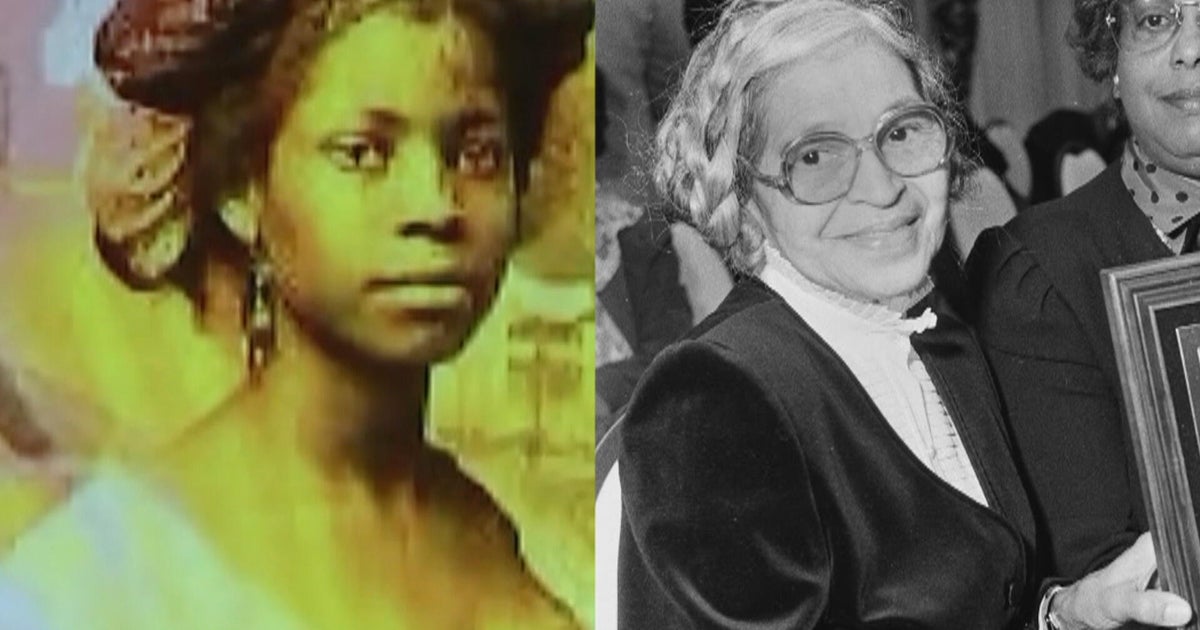
Philadelphia students celebrated Black History Month at SEPTA headquarters in Center City Wednesday with a program highlighting educator and Civil Rights activist Caroline LeCount.
Streetcars driven by horses in the 1860s were segregated in Philadelphia, but after LeCount staged acts of civil disobedience and challenged the law, it was changed.
“In March 1867, it became illegal to segregate street cars throughout Pennsylvania,” Marianne McQuaid said.
“Even though she was born nearly a half century prior to Rosa Parks, they are considered by many to be very closely intermingled in efforts to desegregate public transit,” Scott Sauer, SEPTA’s general manager, said.
For the past several years, SEPTA has honored Black History Month while continuing to honor LeCount’s contributions to the mass transit system that still serves the region.
It’s a history lesson that highlights the legacy of a fearless woman who wouldn’t settle for segregation.
“It’s been suggested Caroline LeCount was the Rosa Parks of her time, however since Caroline came before Rosa, I like to think that Rosa Parks was the Caroline LeCount of her time,” McQuaid said.
The former Taney Street was renamed LeCount Street in 2024, a lasting legacy for this Philadelphia trailblazer.
“Her work reminds us that transportation is more than just moving people forward, it’s connecting individuals to jobs, education and opportunities,” Tamla Ginyard said.
More from CBS News