
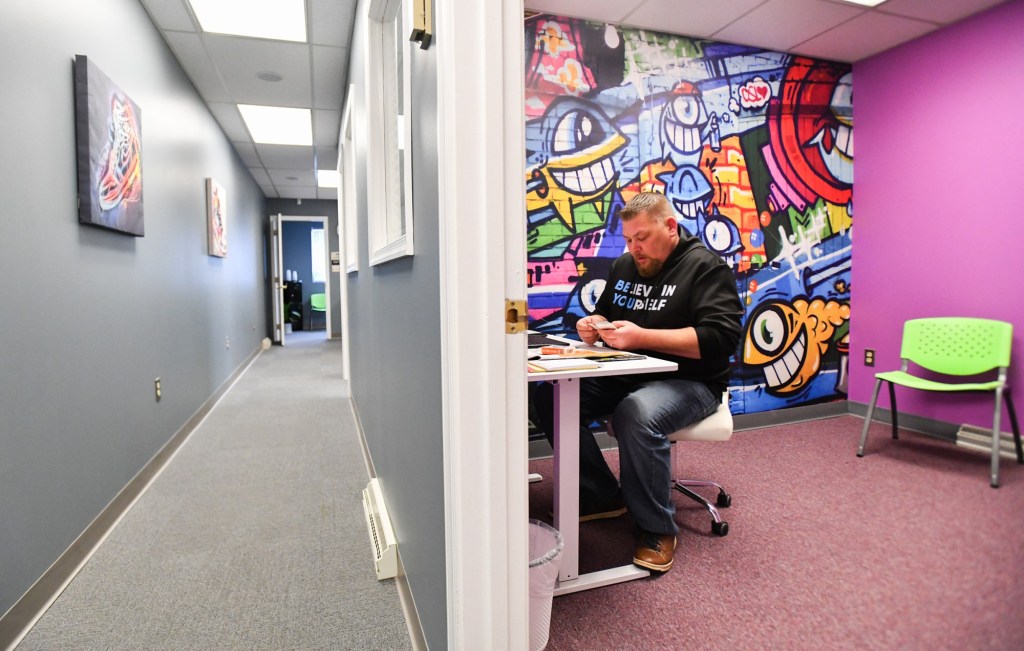
A new outpatient behavioral health and addiction treatment center designed to help teens reset, rebuild and recover opened in Dickson City.
NextGen Counseling, 1332 Main St., serves adolescents, teens and their families with specialized, developmentally appropriate care focused on substance use, problem gambling, gaming addiction, vaping and co-occurring behavioral health needs, founder Jonathon Wasp said.
“The idea is to reduce the stigma around the conversation,” he said. “We know kids use substances; the question is do they feel comfortable enough to ask for help? We hope to normalize that.”
Wasp said NextGen’s drug-testing services focus on clinical guidance, not punishment.
“Part of the reason drug testing exists is it creates a clinical data point for us to better understand what’s going on with somebody,” Wasp said. “It’s not about trying to shame somebody or make them feel bad about their continued use. It allows our clinicians to see if somebody is just continuing to use one substance, or maybe switched to another. Sometimes being honest is difficult, especially when you’re in a treatment program. Sometimes kids are inclined to just tell people what they want to hear to move on to the next thing.”
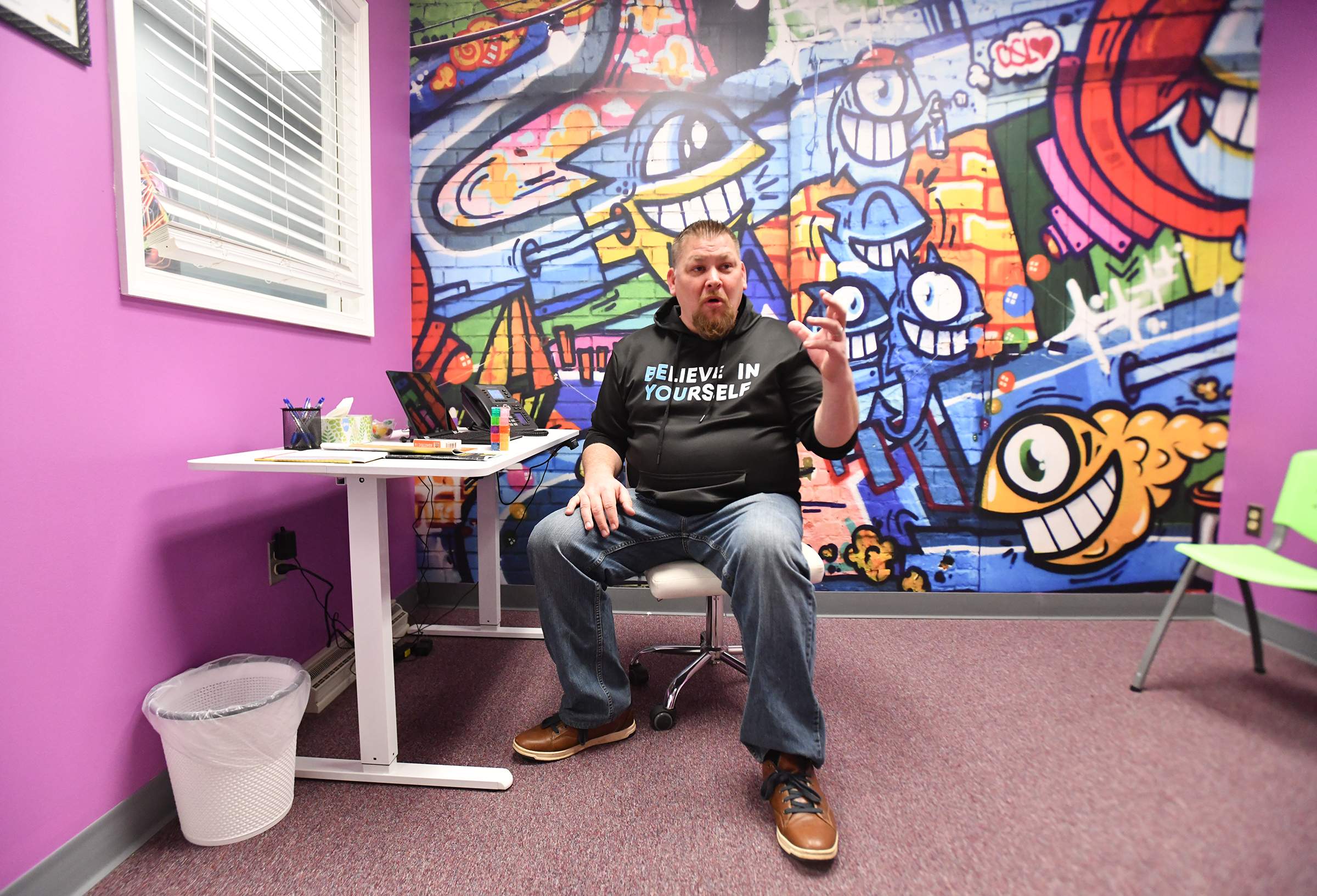
Founder of NextGen Counseling Jonathon Wasp discusses his services in the center in Dickson City Monday, February 16, 2026. (SEAN MCKEAG / STAFF PHOTOGRAPHER)
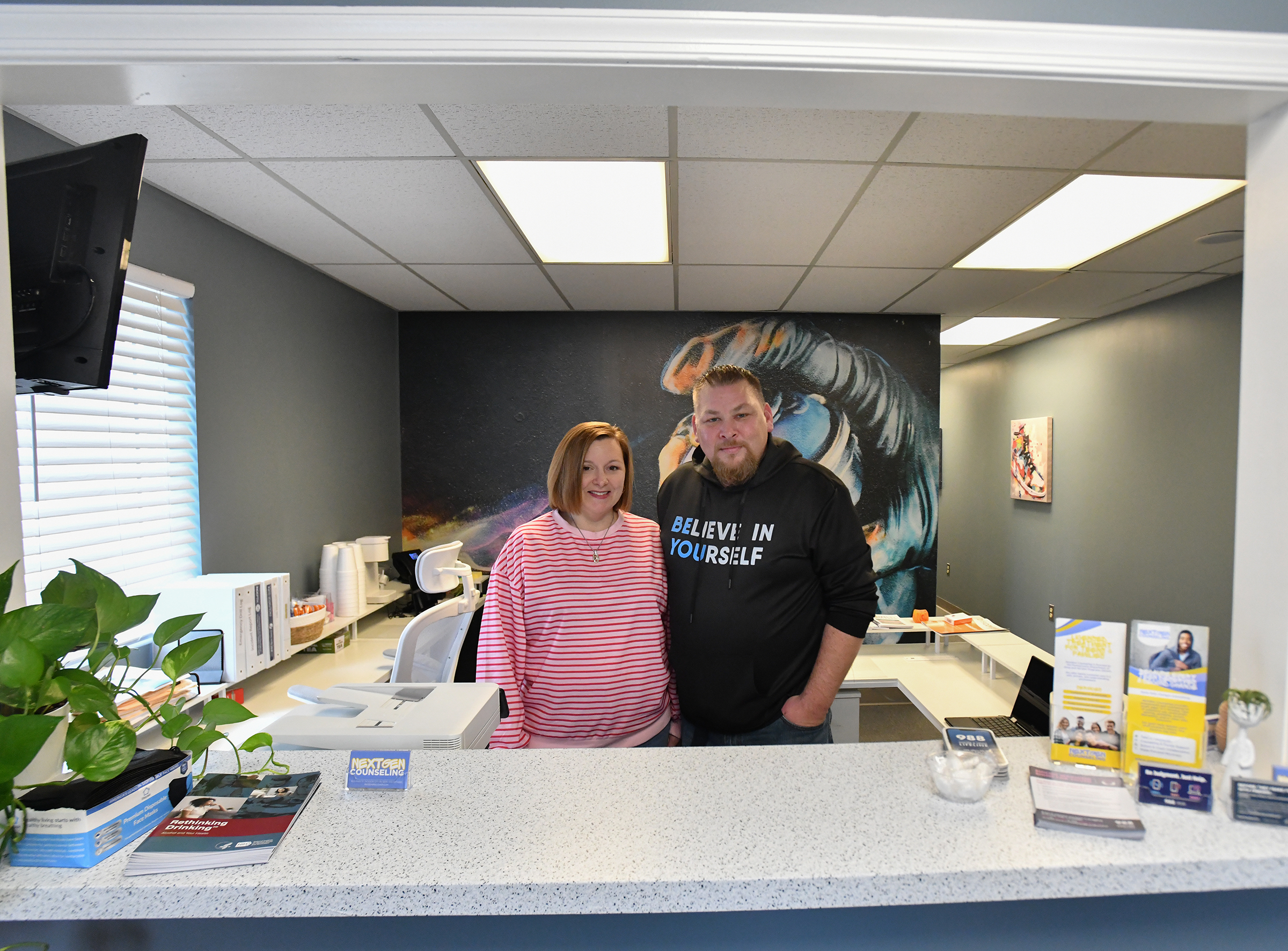
Founder of NextGen Counseling Jonathon Wasp poses for a picture with his wife, Diane, in the center in Dickson City Monday, February 16, 2026. (SEAN MCKEAG / STAFF PHOTOGRAPHER)
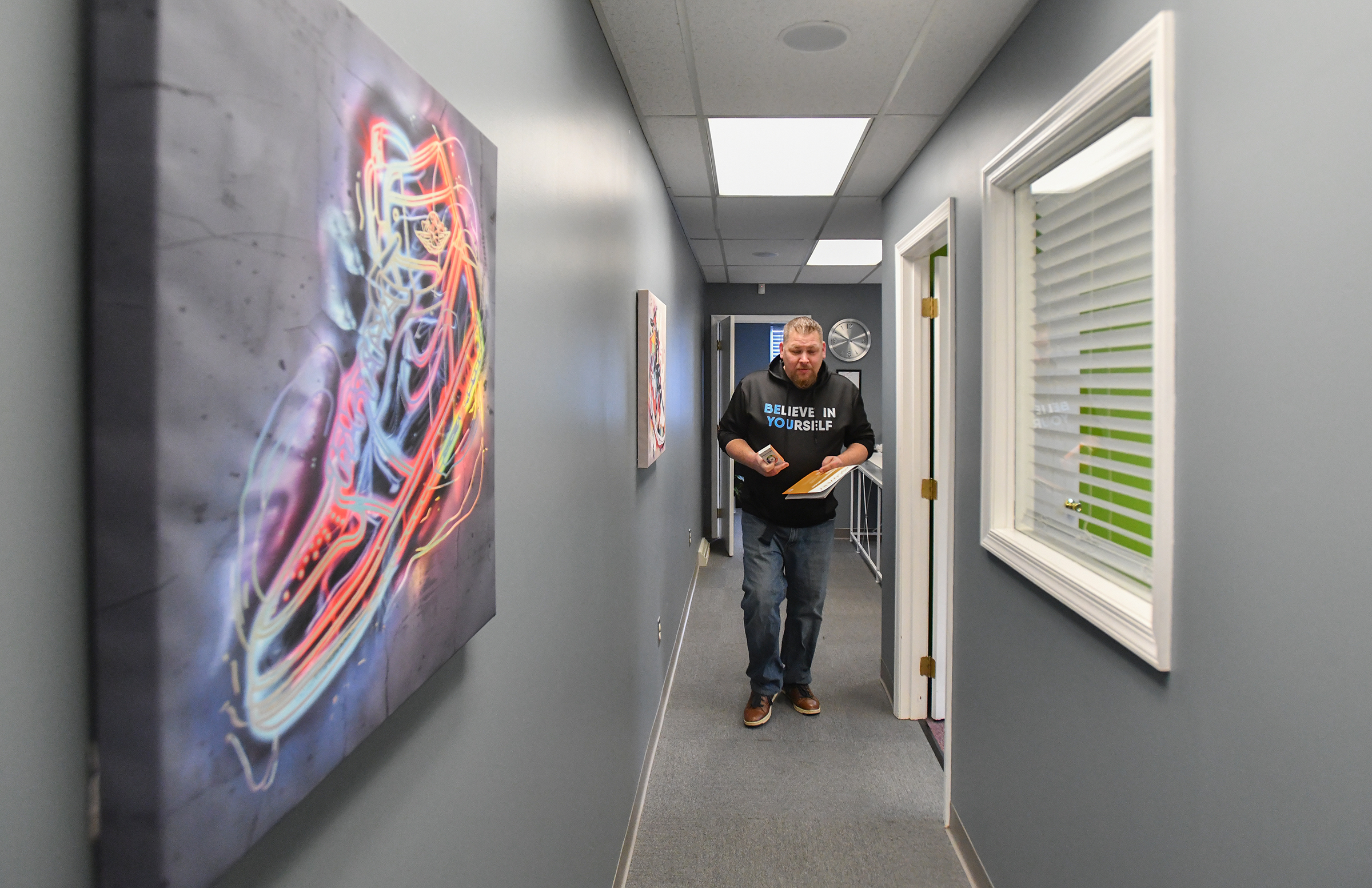
Founder of NextGen Counseling Jonathon Wasp walks through the hallway in his counseling center in Dickson City Monday, February 16, 2026. (SEAN MCKEAG / STAFF PHOTOGRAPHER)
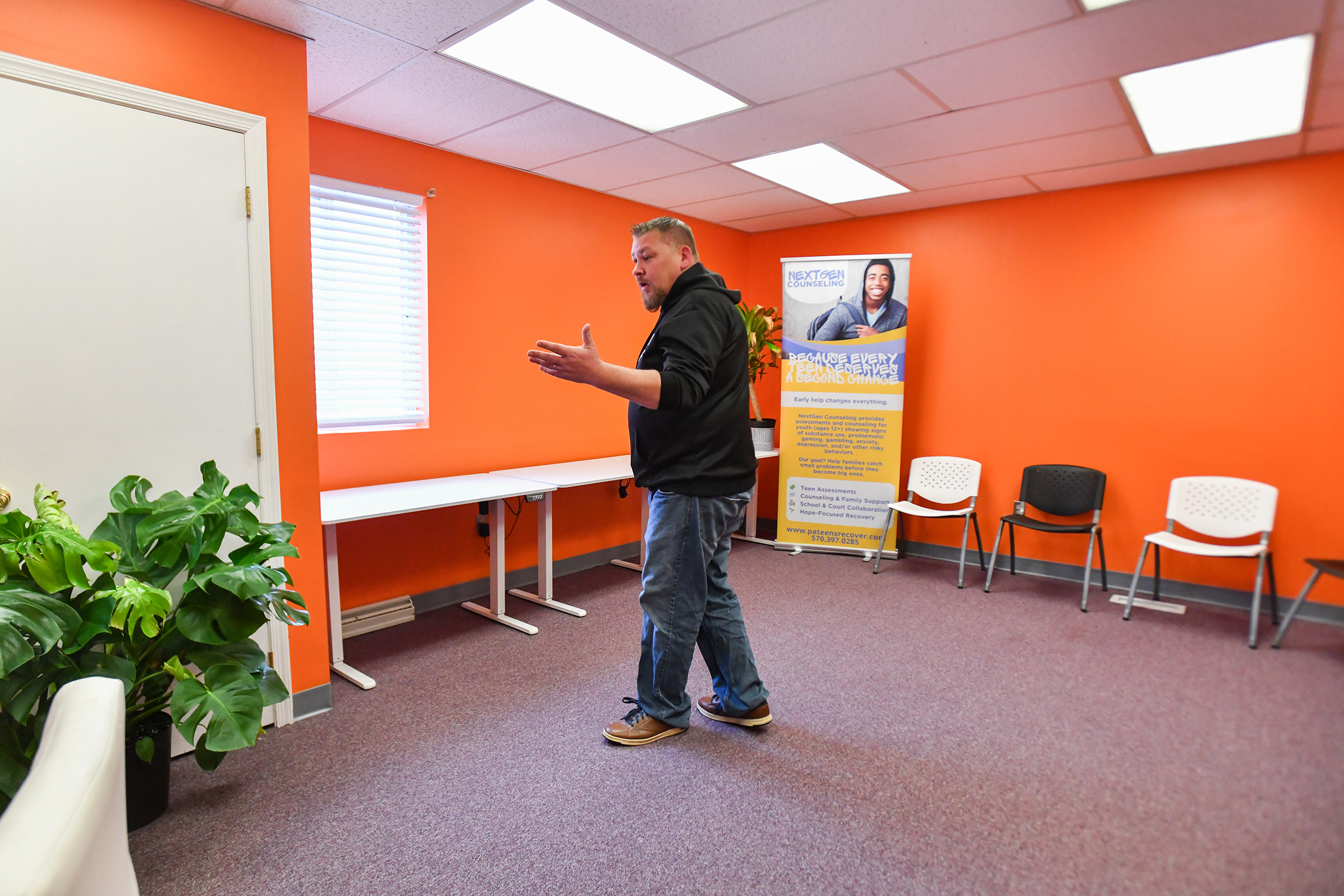
Founder of NextGen Counseling Jonathon Wasp shows off the new space in the counseling center in Dickson City Monday, February 16, 2026. (SEAN MCKEAG / STAFF PHOTOGRAPHER)

Founder of NextGen Counseling Jonathon Wasp holds communication cards used to help children effectively communicate their strengths and areas that need improvement in the center in Dickson City Monday, February 16, 2026. (SEAN MCKEAG / STAFF PHOTOGRAPHER)
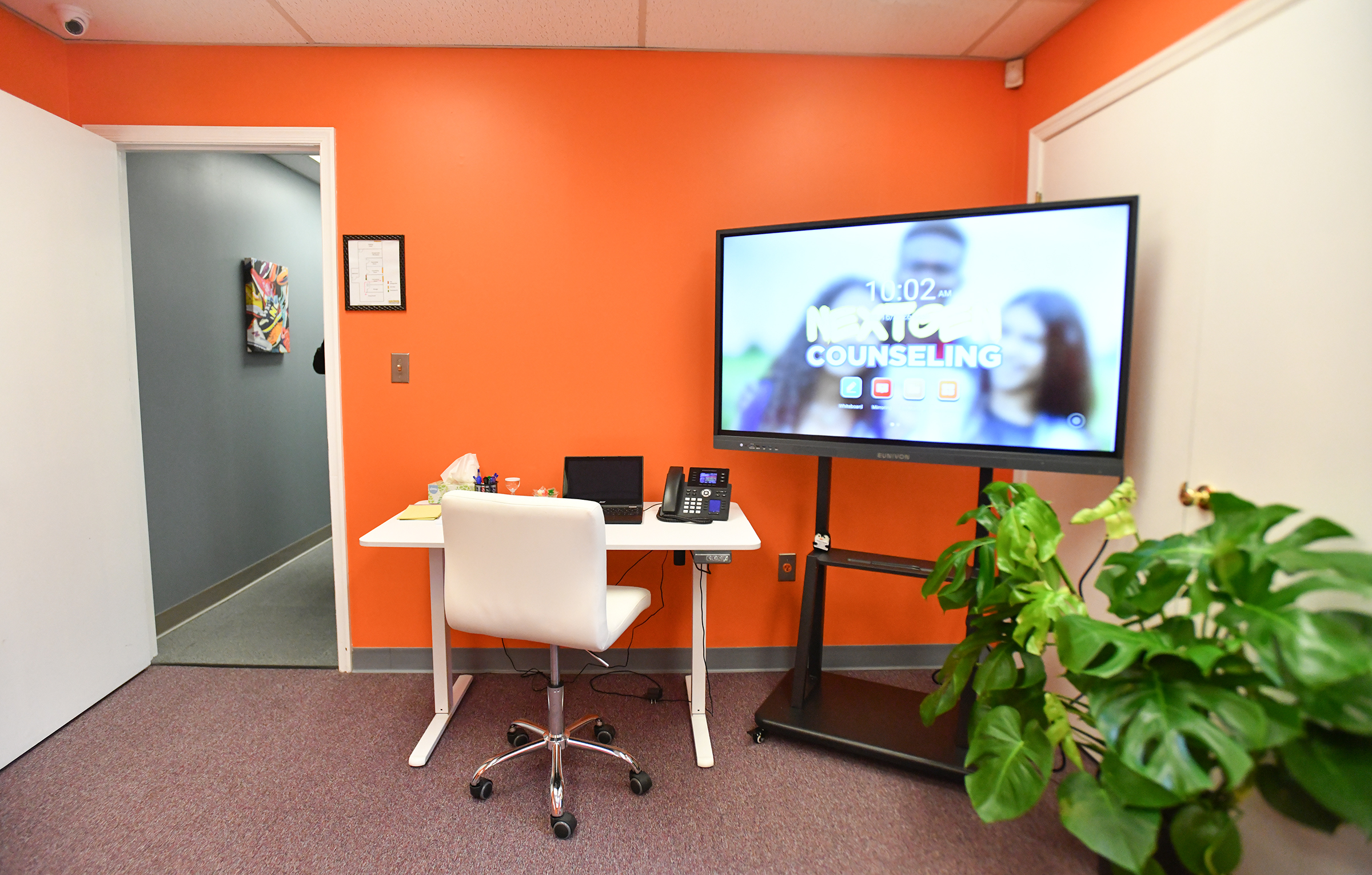
A section in NextGen Counseling in Dickson City Monday, February 16, 2026. (SEAN MCKEAG / STAFF PHOTOGRAPHER)
Show Caption
1 of 6
Founder of NextGen Counseling Jonathon Wasp discusses his services in the center in Dickson City Monday, February 16, 2026. (SEAN MCKEAG / STAFF PHOTOGRAPHER)
A January report from Common Sense Media, which surveyed more than 1,000 adolescent boys ages 11 to 17 across the United States, found 36% of boys gambled in the last year, with that number varying from nearly a third of 11-year-olds to nearly half of 17-year-olds.
Nearly one in four boys participate in game-based activities online that mimic gambling, the report states. Additionally, most boys who engage in gaming-related gambling regularly spend real money.
Early intervention can dramatically reduce long-term addiction risk, school disruption and justice system involvement, NextGen officials said.
NextGen Counseling — licensed by the state Department of Drug and Alcohol Programs — provides developmentally appropriate therapy models, engaging and stigma-reducing programming, structured accountability with dignity, family-centered communication, and clear pathways to recovery and resilience, officials added.
Wasp, an Olyphant resident who boasts more than two decades of experience in the behavioral health field, understands the importance of diagnosing problems and treating youths.
“One of the things I saw pretty consistently, in terms of the evolution of my own thinking, was that the criminal justice system has a high likelihood of locking up people who have untreated and undertreated substance use disorders and mental health conditions,” he said. “And, when I was working with the opioid-dependent population, I found the vast majority of those we served, particularly in methadone and buprenorphine services, had early onset of substance abuse from folks who started using drugs when they were 10, 11, 12, 13 years old.”
Wasp also believes it’s vital to cater a treatment plan directly to teens.
“In the physical health care system, when we access care as adults, we go to primary care physicians,” he said. “When it comes to children, there are pediatric practitioners. We know kids’ bodies are different than adult bodies. They’re not just smaller versions, they’re different, they’re growing, they’re changing. Similarly, when we look at behavioral health, a lot of times when you get substance-use treatment, it’s usually an adult system that conforms itself to work with kids. We know that the way kids use (substances) is different and we know their brain is still developing. Our goal is to work with families to help them understand the things that precede behaviors — the thinking and the patterns — the kinds of things that are changeable.”
Additionally, Wasp stressed that teens should feel comfortable seeking treatment, regardless of their financial situation, as children over the age of 14 can pursue services without their parents’ consent.
“When it comes to getting paid for clinical services, that’s a me problem, not a kid problem,” he said. “We’re working with a number of different organizations to move forward with contracting. We don’t want anybody to be worried about reaching out for care or how they’re going to get it paid for.”
Lakeland School District Superintendent Marc Wyandt believes the facility will be an excellent resource as teens navigate numerous challenges.
“It’s well documented that teens are struggling in a variety of ways, especially when it comes to mental health, and that would include substance abuse,” he said. “Vaping is a major issue among teens, but gaming and gambling — these are all activities that I think teenagers, based on their development, have a much greater risk of becoming addicted to.”
Wyandt added that despite the school officials’ best efforts, it’s difficult to shield students from all the potentially troublesome opportunities.
“In all the ways we’ve made teens safer, they are constantly exposed and have ready access to a variety of activities and risks that are designed to hook them, so to speak,” he said. “And the fact that so many of these activities are available 24/7 — they essentially reside in their pocket — I think puts them at such significant risk especially due to where they are in their development.
“Teens have a unique set of needs. A provider that is tailored to the specific needs of teens would be incredibly beneficial, especially as school districts continue to work closely with families and teens to try to find resources and ways to assist them. It’s something that’s probably very needed given the landscape teens are currently growing up in.”