
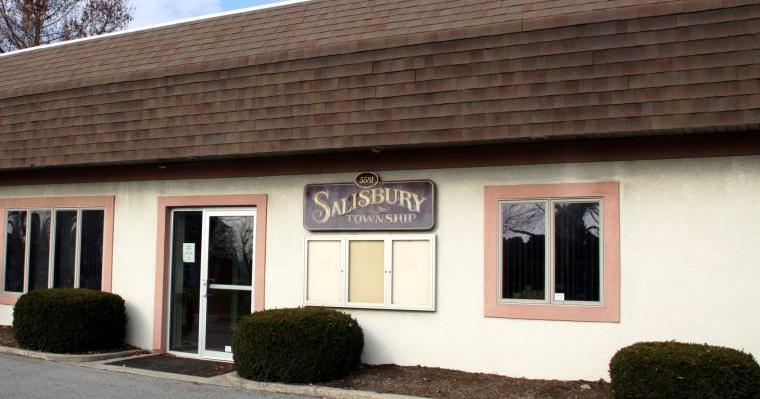
When: Salisbury Township Board of Supervisors meeting, Feb. 17.
What happened: Supervisors fielded two hours of questions from a standing-room-only crowd about where future growth should occur in the largely rural township containing prime farmland and dotted with villages such as Gap and White Horse.
At issue: The conversation focused on on a proposed growth boundary that could include more than 700 acres. Residents pressed the board on farmland impacts, while supervisors emphasized the township’s need to plan for future residential development. No decision was made about the boundary.
Why it matters: The proposed boundary includes several hundred acres of farmland of which about 90% are Amish-owned, according to Township Supervisor Gordon Hoover. This raised concerns from residents about farmland preservation versus current and future housing needs.
More: The discussion ties into broader debates across Lancaster County over expanding growth areas and protecting agriculture. Proposed boundary expansions have faced pushback, with farmland advocates urging slower timelines and more public input.
Reasons for choosing this area: Supervisors pointed to directing growth near existing infrastructure, such as areas with sewer and water access, as a way to avoid higher taxes and limit scattered development. The board is open to suggestions for other areas of land to be considered for a growth boundary.
Background: According to a handout that was given at the meeting, growth boundaries are planning tools used to guide where development may occur under zoning rules. They are similar to a budget where you can plan what you will spend, or in this case, use. State law requires municipalities to plan for future growth through comprehensive plans.
Public input: Many attendees urged supervisors to prioritize farmland preservation. Others asked how growth boundaries affect zoning and the likelihood of development. The board said designating a growth boundary does not automatically rezone that area of land, nor does it guarantee that any development will occur in that area. It’s simply land set aside for future development if the need and want arise.
What’s next: Supervisors will continue public discussion and will not vote before the March 17 meeting. A final decision could be delayed further depending on community feedback, according to Hoover.
Success! An email has been sent to with a link to confirm list signup.
Error! There was an error processing your request.