
On Wednesday, U.S. Rep. Summer Lee announced that North Braddock would be issued a $1 million grant to attack blight in the community.It underscores a widespread concern about uninhabited, rundown properties in the city of Pittsburgh and Allegheny County.”Those blighted properties become real liabilities on local municipalities and on county government,” said Lauren Connelly, the county’s director of economic development.Pittsburgh Mayor Corey O’Connor just announced a blitz in the city’s Hilltop neighborhoods, targeting properties that need to be demolished.”It’s something that affects all of our neighborhoods, and the more we can get to it to clear out these sites,” O’Connor said.Both city and county governments say the cost of demolition and the legal hurdles of acquiring property make the task of addressing blight a long, drawn-out ordeal.”You need to provide sufficient notice before you take the deed or title to someone’s property. There’s a lot of notification. There’s a timeline that has to be followed,” Connelly said. “This can be a 12- to 18-month, to 24-month process, and we know that can be frustrating for individuals.”Connelly said the county is attempting to identify ways to navigate that challenge.For example, Allegheny County just launched a land feasibility report to identify the fastest and most effective ways to demolish property, while investing a little more than $2 million a year to address the problem.O’Connor said that in the city, it starts with city-owned property that can be taken immediately.”Not just clearing the site, but what can we repurpose them for? And also clearing out our own sites that the city owns so that they’re shovel-ready for future development,” O’Connor said.
PITTSBURGH —
On Wednesday, U.S. Rep. Summer Lee announced that North Braddock would be issued a $1 million grant to attack blight in the community.
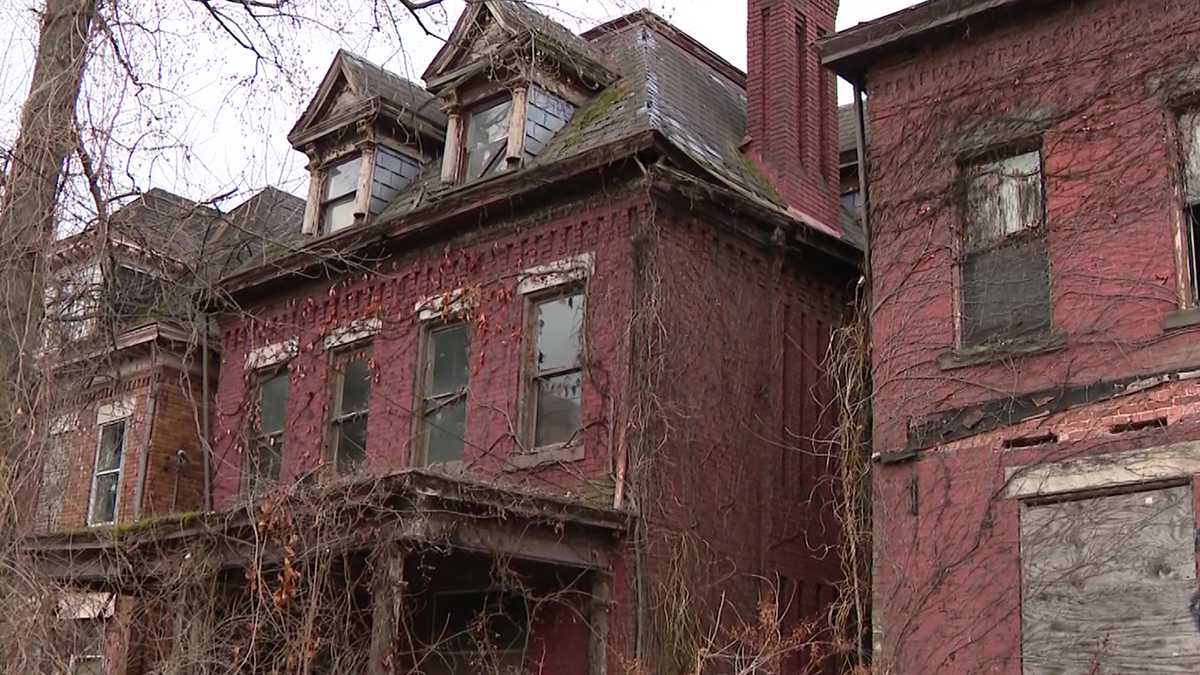
It underscores a widespread concern about uninhabited, rundown properties in the city of Pittsburgh and Allegheny County.
“Those blighted properties become real liabilities on local municipalities and on county government,” said Lauren Connelly, the county’s director of economic development.
Pittsburgh Mayor Corey O’Connor just announced a blitz in the city’s Hilltop neighborhoods, targeting properties that need to be demolished.
“It’s something that affects all of our neighborhoods, and the more we can get to it to clear out these sites,” O’Connor said.
Both city and county governments say the cost of demolition and the legal hurdles of acquiring property make the task of addressing blight a long, drawn-out ordeal.
“You need to provide sufficient notice before you take the deed or title to someone’s property. There’s a lot of notification. There’s a timeline that has to be followed,” Connelly said. “This can be a 12- to 18-month, to 24-month process, and we know that can be frustrating for individuals.”
Connelly said the county is attempting to identify ways to navigate that challenge.
For example, Allegheny County just launched a land feasibility report to identify the fastest and most effective ways to demolish property, while investing a little more than $2 million a year to address the problem.
O’Connor said that in the city, it starts with city-owned property that can be taken immediately.
“Not just clearing the site, but what can we repurpose them for? And also clearing out our own sites that the city owns so that they’re shovel-ready for future development,” O’Connor said.