
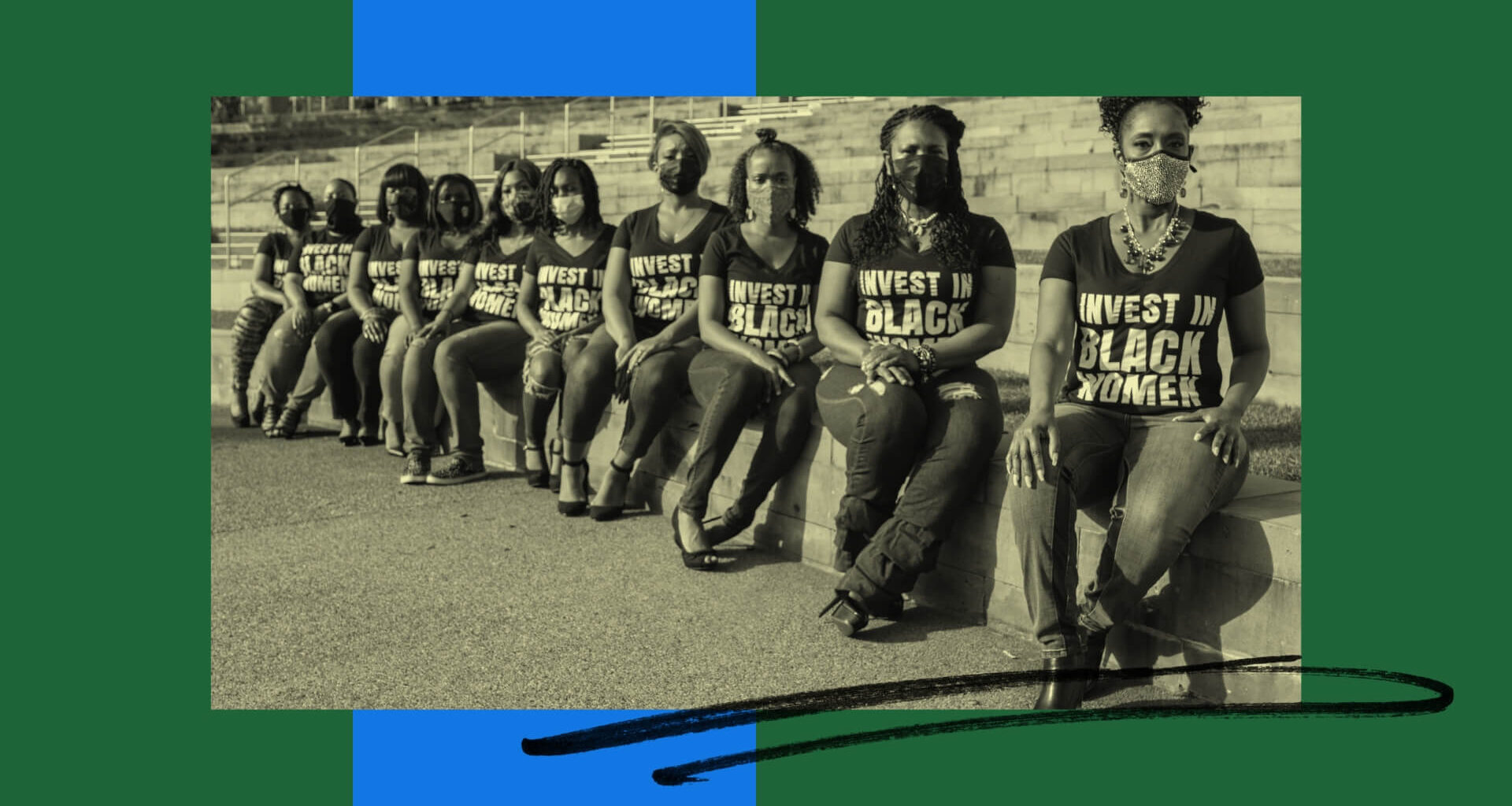
In 2019, the City of Pittsburgh was handed a mirror. The Gender Inequality Across Race and Gender report didn’t just show a gap; it revealed a chasm. It told us that a Black woman in Pittsburgh could move to almost any other city in America and instantly improve her life expectancy, her income and her chances of survival.
But we have to ask: What happened when they moved? The answer is a national crisis that few are willing to name.
Across the nation, Black women are currently facing unprecedented, targeted layoffs at a scale we have never seen. The seats at the table weren’t just moved — they were removed entirely. We are watching as DEI departments are systematically dismantled and grants being revoked, effectively defunding the critical work that others didn’t care about and never made a priority until they were forced to.
“The pushout of Black women from the American workforce is not just a crisis for Black women — it is a glaring red flag for the entire economy.”
U.S. Rep. Ayanna Pressley, D-Massachusetts
For a moment, after the George Floyd protests, it felt like Pittsburgh was ready to stop being “the most livable city” for some, and start being a viable city for us.
Today, though, we are witnessing a quiet, calculated retreat. While we remain deeply thankful to the funders who have continued to stand by us and invest in Black women, we are watching the broader landscape with concern. We look forward to developing new, robust partnerships under the current mayoral administration, but we must address the double standard of urgency we witnessed this past month.
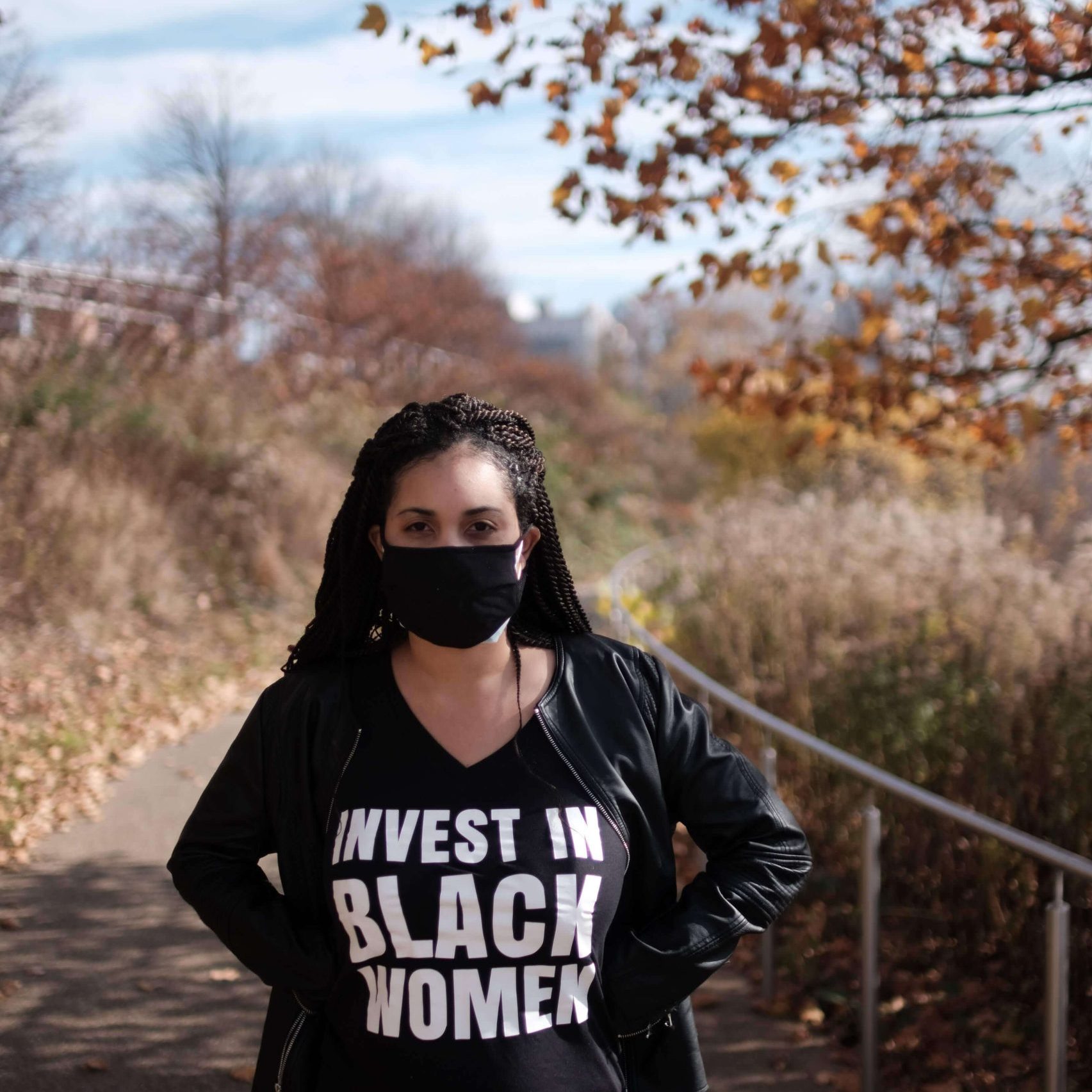 Sharnay Hearn Davis (Courtesy photo)
When an “outdated fleet” of snow plows failed during a snow storm and news of sputtering ambulances emerged, we saw how quickly the corporate gears could turn. Within days, corporate giants pledged $12 million to fix the problem.
The contrast is clear: If Pittsburgh can find millions of dollars in 72 hours to provide “proper care and maintenance” for machinery, why has it spent years ignoring the “proper care and maintenance” of its most vulnerable citizens?
The Black women of Pittsburgh deserve the same “fierce urgency of now” as a snow-clogged street. You cannot “maintain” a city while letting the foundations of its community crumble. We don’t just need a “fix” for the current storm; we need a blueprint for intergenerational stability. That would mean moving beyond one-year grant cycles and reactionary funding. It means building a foundation where Black women’s economic, physical and mental well-being is secured not just for today, but for the daughters and granddaughters following in our footsteps. Stability is not a luxury; it is the baseline for a thriving city.
Neutrality in the face of the data is an act of harm.
The Sisters Lifting as We Climb Network was born out of the necessity to do for ourselves what this city refused to do for us. We did not ask for a “season” of support; we demanded a transformation of the system. True leadership does not fold because the political climate changed or because equity is no longer “on trend.”
To Pittsburgh’s leaders: Silence is a choice. “Rollback” is a policy. We are still here. The data is still here. The question is: Do you have the courage to treat our lives — and our future generations — with the same urgency you treat your infrastructure?
Dr. Sharnay Hearn Davis is the founder of the Sisters Lifting as We Climb Network and the author/compiler of the book “Realities of Black Women — Dismantling the False Narratives of Black Women in America” and can be reached at sistersliftingasweclimbinfo@gmail.com.
This <a target=”_blank” href=”https://www.publicsource.org/people-over-plows-investment-pittsburgh-black-women/”>article</a> first appeared on <a target=”_blank” href=”https://www.publicsource.org”>Pittsburgh’s Public Source</a> and is republished here under a <a target=”_blank” href=”https://creativecommons.org/licenses/by-nd/4.0/”>Creative Commons Attribution-NoDerivatives 4.0 International License</a>.<img src=”https://i0.wp.com/www.publicsource.org/wp-content/uploads/2025/07/cropped-ps_circle_favicon_blue.png?resize=150%2C150&ssl=1″ style=”width:1em;height:1em;margin-left:10px;”>
<img id=”republication-tracker-tool-source” src=”https://www.publicsource.org/?republication-pixel=true&post=1329710&ga4=G-CCLXQK5C14″ style=”width:1px;height:1px;”><script> PARSELY = { autotrack: false, onload: function() { PARSELY.beacon.trackPageView({ url: “https://www.publicsource.org/people-over-plows-investment-pittsburgh-black-women/”, urlref: window.location.href }); } } </script> <script id=”parsely-cfg” src=”//cdn.parsely.com/keys/publicsource.org/p.js”></script>