
From Philly and the Pa. suburbs to South Jersey and Delaware, what would you like WHYY News to cover? Let us know!
When America’s founders were walking the cobblestones of Philadelphia in 1776 while forging a new nation, Native Americans were walking beside them.
Indigenous people were part of the urban fabric of what was then the largest city in North America and the political seat of the colonies. People from a wide range of tribes including the Mohawk, Seneca, Delaware and Oneida could be seen having tea, attending theater and going to balls with colonists.
“Citizens could barely walk the streets without bumping into visiting tribal delegates who went about an endless round of social engagements, observing and participating in urban life,” wrote historian Colin Calloway in “The Chiefs Now in This City: Indians and the Urban Frontier in Early America.”
Visiting the city became even more important in 1776 for tribal leaders to address the Continental Congress and gain a foothold in a newly emerging nation.
“It’s like going to the U.N., those gathering of minds from different nations,” said DJ Huff, a member of the Seneca Nation.
“I think it’s a beautiful, beautiful thing, meeting with the intentions of hopefully bringing peace,” he said. “Which eventually doesn’t happen quite as everybody hoped it would.”
Native Americans coming into colonial Philadelphia
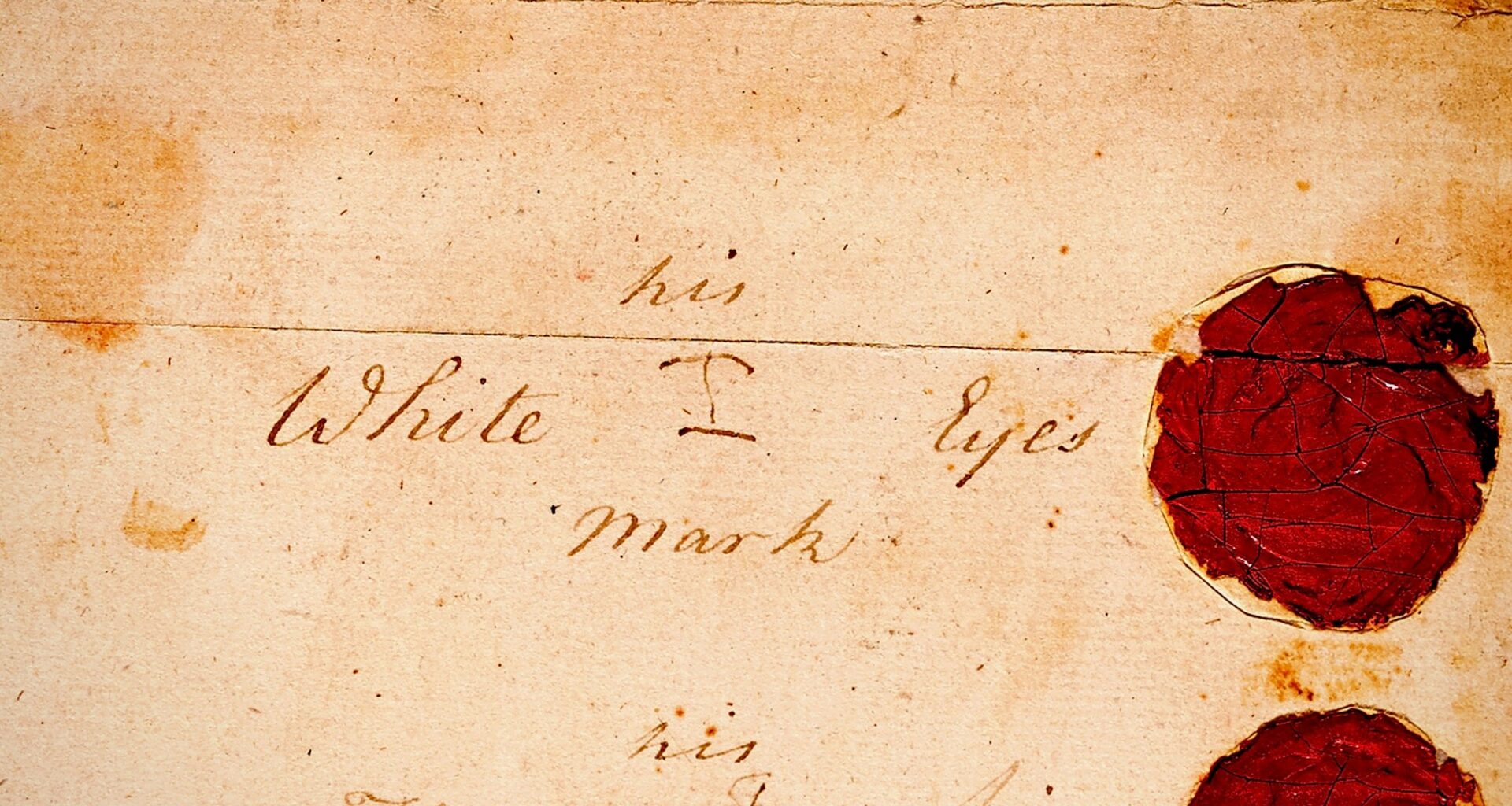
Huff was recently in Philadelphia acting as a historic interpreter at the Museum of the American Revolution, dressed as an 18th-century leader of the Lenape, or Delaware people of Ohio Country called White Eyes, or Koquethagechton.
White Eyes had visited colonial Philadelphia often, first for trade and then for politics. He was known to transport deer hides and beaver pelts from Ohio Country, around the region of what is now Pittsburgh, to New Orleans, sell them for cash, then travel to Philadelphia to buy imported European goods.
According to Calloway, many Native Americans developed a taste for European finery, including pewter plates, candlesticks, guitars, teapots, snuff, chocolate, coffee, wine, silk and hair powder.
“Rather than retreat from cities, Indian people often gravitated toward them for diplomacy and … incorporated them into their economic strategies,” Calloway wrote.
By 1775, White Eyes’ focus had shifted to Independence Hall and the Continental Congress and negotiating an alignment with the rebelling colonists in exchange for land rights.