
My mom always told me that she was made for city life. As a teenager, I didn’t understand exactly what she meant. Cities are loud, busy and full of nameless people. They make you feel like a tiny cog in a great machine whose only purpose is to keep churning out progress. I was afraid of getting lost.
But when I moved to Manhattan, I realized getting lost is part of the deal. It isn’t that the city is hard to navigate — street grids are very hard to misinterpret. It’s that no matter how you feel on a certain day, you have to be ready to share the sidewalk with every type of person imaginable — street vendors, businessmen, hustlers, nurses and police.
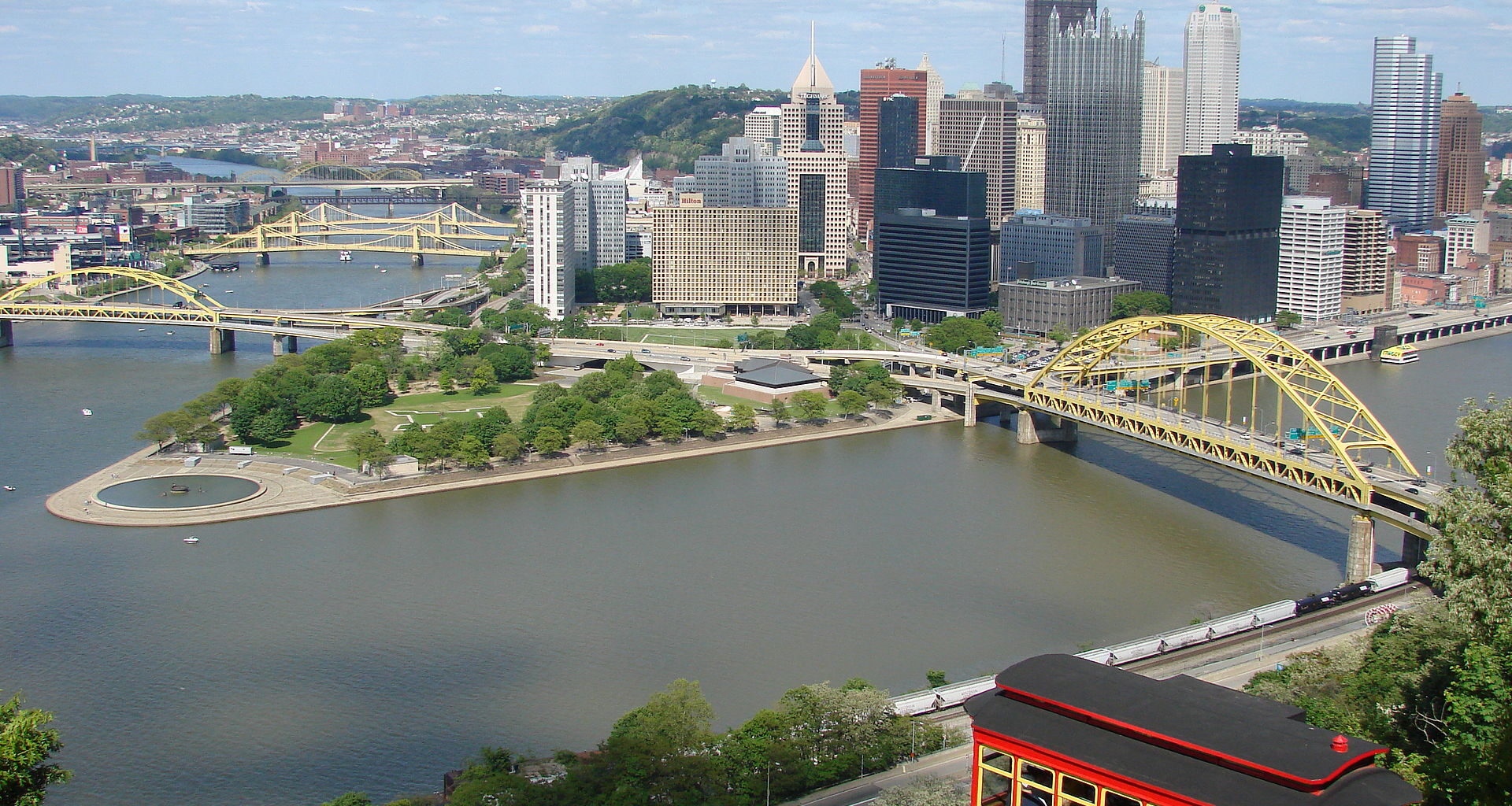
New York is a city of business. Pittsburgh, nicknamed the Steel City, is now home to groundbreaking medical research and hundreds of tech companies. Delve beyond the defining industries and you’ll find that any city also has a bustling underground ecosystem.
A New York native friend once took me to a punk show held in the middle of the Williamsburg Bridge, right next to the train tracks. Strictly speaking, the organizers did not have any permits. But the show was so well organized and welcoming that it came as no surprise when the police didn’t send a single patrol.
The punk scene in Manhattan is tight-knit and decadent. Cliques of studded leather and pierced noses invite anyone brave enough to set aside their ego to share a cigarette. Attendees are looking for an outlet after a long day of following the city’s rules, of which there are many. Don’t ride Citi Bikes on the sidewalk. Always hold open the emergency exit in the subway. Don’t make eye contact on the street. All day, every day. It’s the sort of thing that makes anyone want to jump into a mosh pit. Pittsburgh doesn’t have many rules, and the punk scene reflects this. The atmosphere at local dive bars is anarchic and hardly welcoming — like a group of people that have nothing better to do.
Like any ecosystem, each city also has its own hierarchy. In Pittsburgh, the ruling class consists of doctors and professors. In Manhattan, it consists of those wealthy enough to live in FiDi or to own an entire brownstone.
A Manhattan date once invited me to a taping of The Tonight Show and — completely unbeknownst to me — I ended up sharing an elevator with Lorne Michaels. Another time, I opted to play video games instead of going on a post-dinner Thanksgiving walk and was told that I missed seeing Jennifer Lawrence buying a thousand-dollar bottle of whiskey. Manhattan’s elite is equal parts accessible and hard to catch. It’s a dangerous illusion that makes you feel like you are on equal footing with the greats, all while remaining a simple cog.
In New York, there are bald eagle hotspots, uptown rats, downtown rats and even staple cockroach species. In Pittsburgh, deer and raccoon sightings are a common occurrence. Both cities are surrounded by water, but only Manhattan is a true island, and the wildlife reflects this. Looking down from the 23rd story of the Cathedral of Learning at the rolling hills of Allegheny County, I’m reminded that our campus is situated in its own sea of land.
But the wildlife of any city comprises only a small fraction of its nature. A city’s nature is also defined by social climates, historical movements and whole economies. These are the anthills of human civilization.
Every city also has a pulse. New York’s pulse — defined by synchronized waves of traffic lights — is airy and expansive. The pulse of Los Angeles is mellow but steady. The pulse of Portland, Maine, is eerie and calming — almost hard to detect. I’m still getting a feel for Pittsburgh’s pulse, but I gather that it’s not very subtle.
South Oakland is a party animal’s habitat. I wish I knew this before I moved here, because I often find myself having to drown out Mac Miller’s basslines when studying. But I place the blame entirely on myself. When looking for a place to camp, it is the camper’s responsibility to find a safe clearing to pitch a tent. There are ways to do research beforehand — ways to avoid taking part in nature altogether. But you never know what you’re going to find in the wild, and I’m glad that I took the dive.
Stepan Kopeykin is a transfer student from the Borough of Manhattan Community College. His favorite movies and books include Interstellar, The Big Lebowski, Choke and The Secret History. You can find him drinking three to four cups of tea a day and playing catch with the wall outside of Hillman. He runs a personal Substack page and can be reached at [email protected].