
By Jack Tomczuk
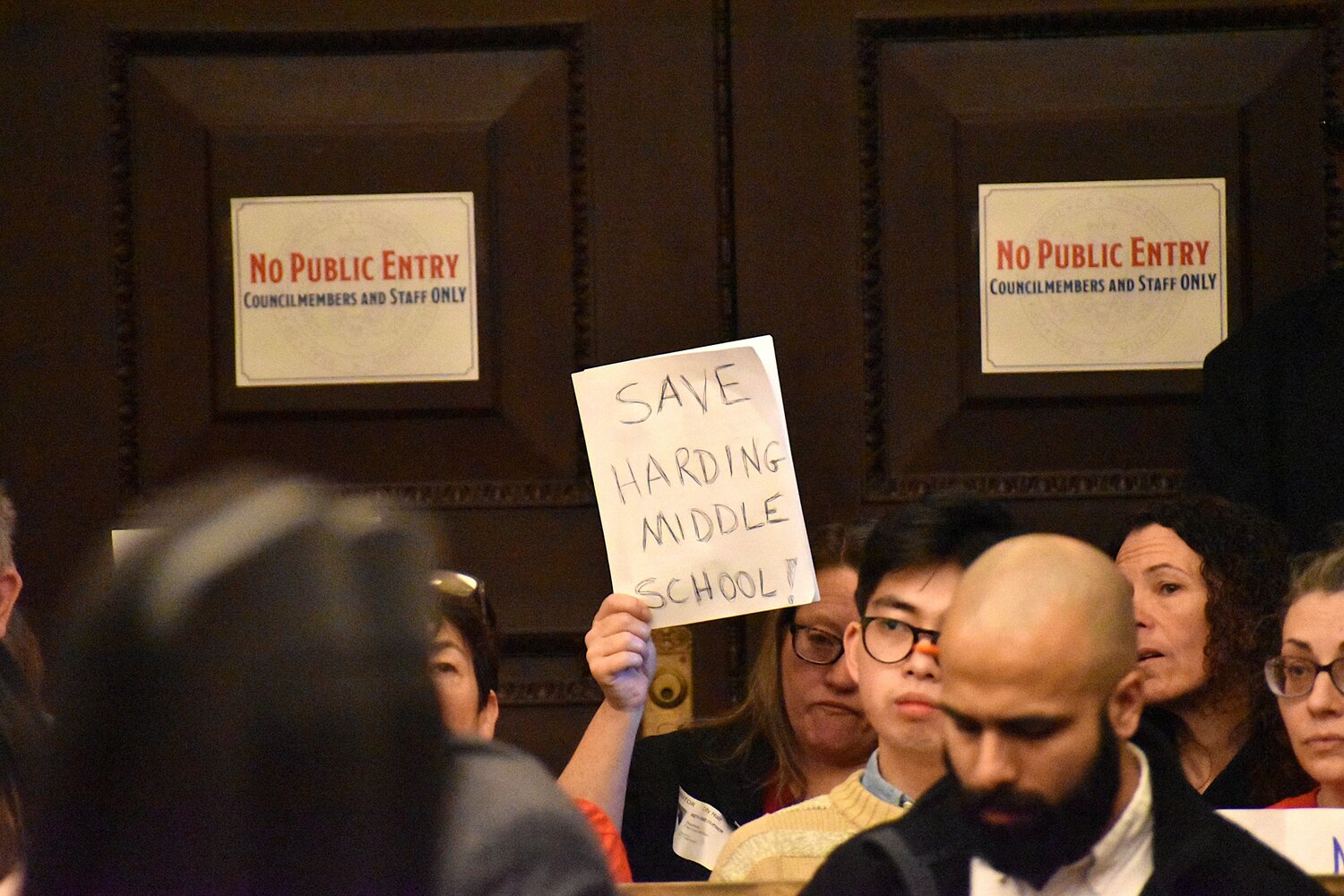
Students, parents and teachers impacted by the School District of Philadelphia’s proposal to shutter 20 schools are now waiting.
Superintendent Tony Watlington Sr. is planning to present his final facilities master plan to the Board of Education on Thursday.
Since he unveiled his draft recommendations in late January, the district has held more than 40 community meetings. Any changes in response to that feedback will be incorporated when Watlington goes to the board, officials have said.
The last of those public sessions – at least, the last scheduled as of Feb. 22 – occurred Sunday afternoon on Zoom. More than 100 people logged onto the video conference, including district staff and language interpreters. It capped three citywide town halls hosted by Watlington in recent days.
“We are listening,” he told participants. “This is not just optics or political theater.”
For many, his words will not ring true unless there are major adjustments to the plan. Watlington said it was “premature” to comment on changes or tweaks.
BOE President Reginald Streater has said the board will not vote on the facilities plan Thursday; rather, they will consider the proposal and make that pivotal decision at a date that has yet to be determined.
No closures or other major shifts related to the plan would be undertaken until the 2027-28 school year, with the exception of a new, optional year-round K-8 school that will be co-located at Bethune Elementary as part of the North Philadelphia Promise Zone initiative.
Watlington’s 10-year, $2.8 billion strategy is the culmination of a yearslong effort to address low enrollment at some schools, overcrowding in others and concerns about aging facilities and limited resources.
If fully funded, the initiative would reduce the number of school buildings rated unsatisfactory or poor from 85 to 0, district leaders have said. It would also provide access to Algebra 1 for all middle grade students (up from 53%) and double the number of slots in district-operated pre-K programs, according to Watlington’s team.
On Sunday, over the course of two hours, parents and school staff asked a wide array of questions about specific school decisions and the district’s overall approach, such as a suggested move away from traditional middle schools in favor of K-8 and 5-12 models.
Members of the public also wondered aloud whether real estate interests could be influencing decisions. Patty Rich, a teacher at Lankenau Environmental Science Magnet High School, said the proposal to move programming into Roxborough High School would open up significant acreage for development.
“How can I tell my students that are visually impaired that they’re being sold out for land with no benefit to them or their peers? How is this equitable?” she added. “Please explain to me how this makes sense. And why should I stay?”
Claire Landau, the district’s senior advisor of strategy, noted that Lankenau began as an academy within Germantown High School, which was shuttered in 2013, during the last round of large-scale school closures.
Folding Lankenau into Roxborough as an honors program aligns with the district’s goal of reinvesting into neighborhood high schools, she added.
“Right now, Lankenau is very difficult to access. We actually provide busing to get students to Lankenau,” Landau continued. “So, by bringing it to a place that’s more accessible, it’s about providing more access for more students and providing more resources and connections for students in both programs.”
The district’s draft facilities plan has drawn significant pushback since being released Jan. 22. Last week, members of City Council threatened to hold up school funding over concerns about the recommendations.