
From Philly and the Pa. suburbs to South Jersey and Delaware, what would you like WHYY News to cover? Let us know!
More than two decades before the Declaration of Independence was signed in Philadelphia, notable figures like Benjamin Franklin and Dr. Thomas Bond opened the country’s first legally chartered hospital in the birthplace of the United States.
Now, Pennsylvania Hospital will celebrate its 275th anniversary by transforming its original location, the Pine Building, into a museum, which is scheduled to open to the public on May 8.
The project will join the America250 program of events marking the country’s semiquincentennial anniversary this summer.
“I am so excited to present this to the public in a way that it’s never been presented before,” said Stacey Peeples, curator and lead archivist at the Pine Building. “I want people to flood in here. I want it to be a good experience for Philadelphia. And I think it will be. I think there’s so much to offer.”
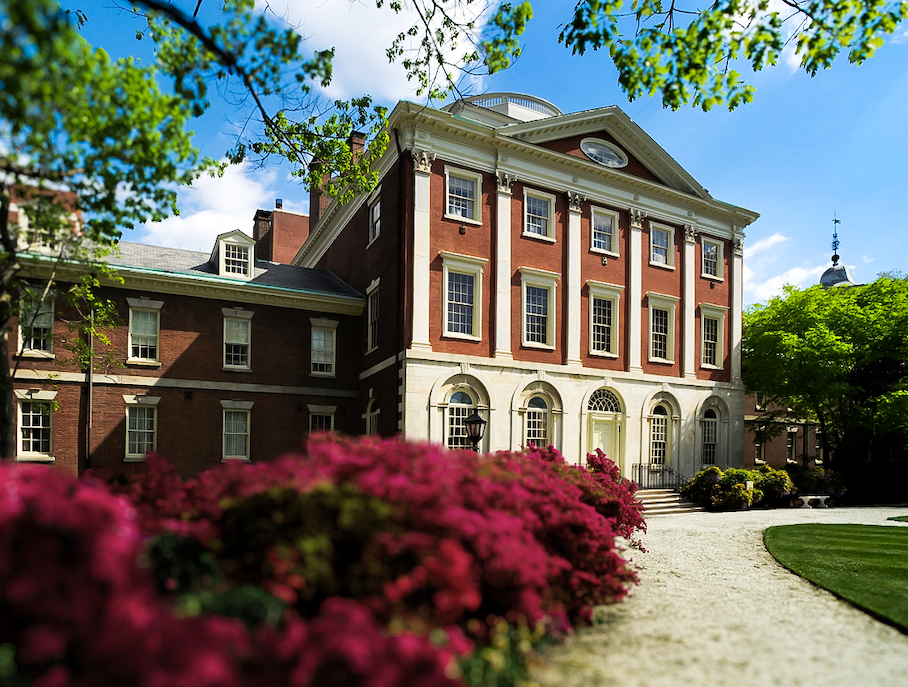 Pennsylvania Hospital was founded in Philadelphia in 1751 with its original location at the historic Pine Building, which will become a museum in 2026. (Courtesy of Penn Medicine)
Pennsylvania Hospital, now part of the Penn Medicine network, was founded in 1751 “for the reception and cure of poor sick persons…free of charge.”
Museum visitors will be able to sit in the original surgical theater, where doctors performed amputations and other operations before live audiences, only some of them medical students. The patients were often conscious or plied with alcohol for the pain as anesthesia wasn’t invented until the 1840s.
People can also tour the medical library, which has a collection of more than 13,000 written volumes and texts dating back to the 15th century.
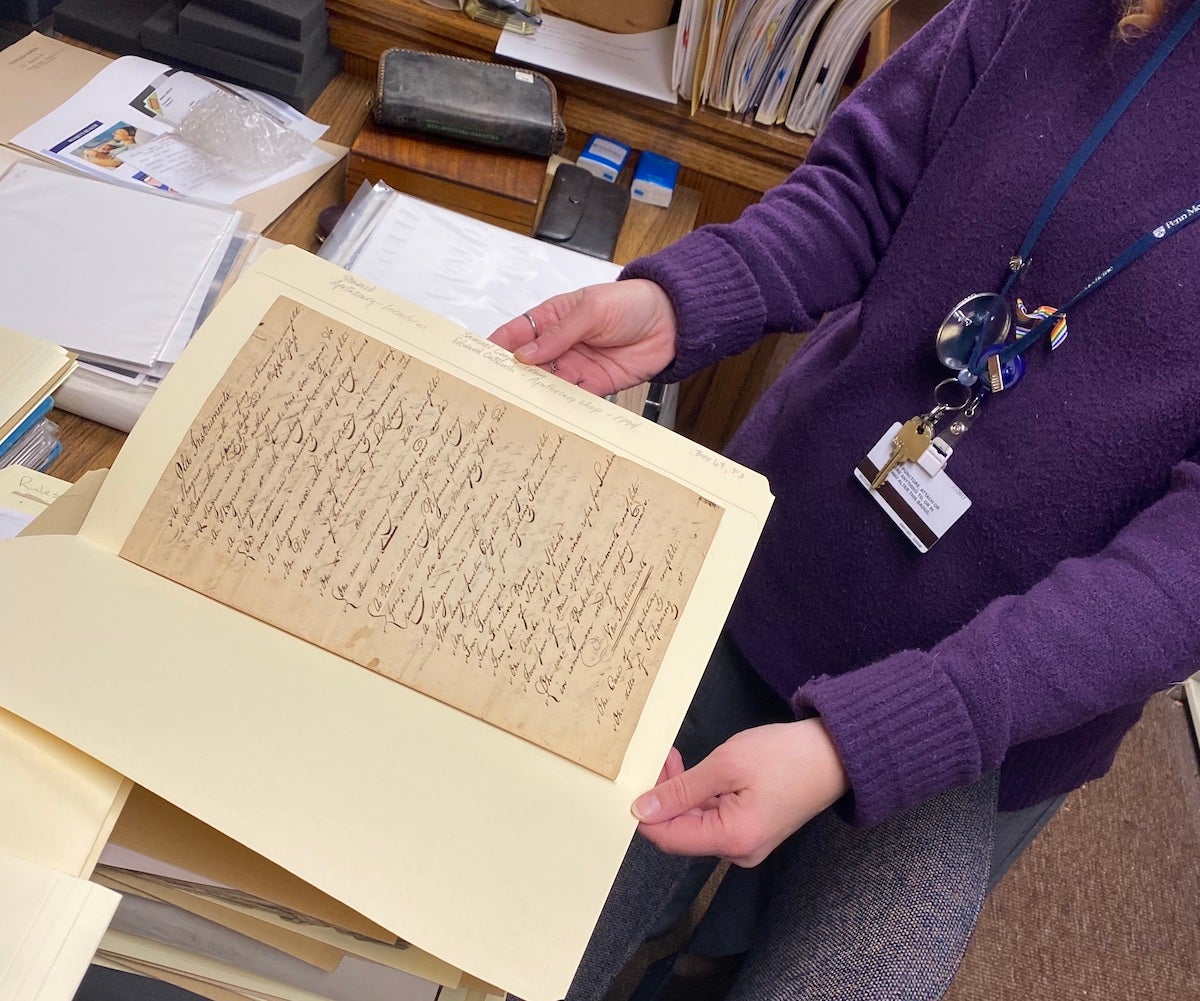 Pennsylvania Hospital, part of the Penn Medicine network, will turn the historic Pine Building into a museum in 2026. It will feature the lives and activities of former staff, which were recorded in matron logs from over 200 years ago. (Courtesy of Penn Medicine)
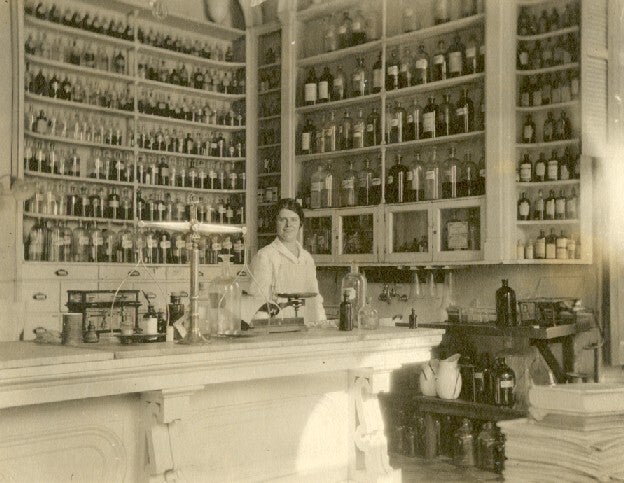
Archivists and historians are also restoring what was the original apothecary, which stored medicinal herbs, minerals and other substances used in treatments. The exhibit will show how therapies have advanced over time, leading up to today’s discoveries like CAR-T immunotherapy.
“So, you go from this idea of, we’re taking plants and we’re boiling down the root and everything, to this idea of, we’re using your own cells and your body to make you well,” Peeples said. “I think it’s really interesting to kind of look at that and say like, ‘Wow.’”