
Pennsylvania Hospital’s Pine Building to Become the Pennsylvania Hospital Museum
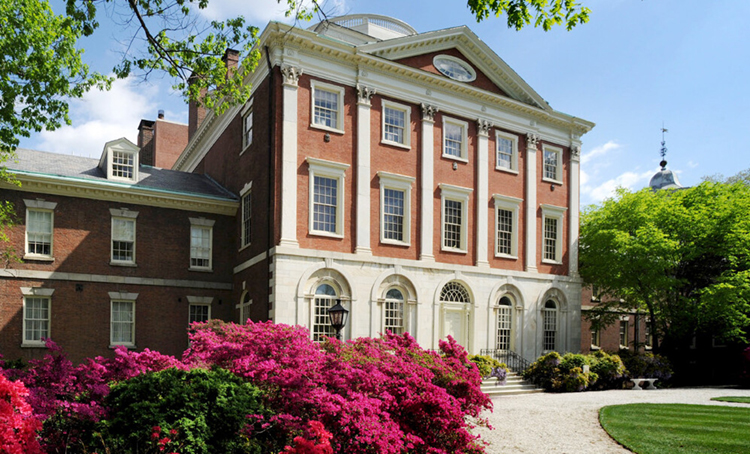
America’s first chartered hospital will mark its 275th anniversary by transforming Pennsylvania Hospital’s historic Pine Building into a museum, open to the public in May 2026. Timed to coincide with semiquincentennial celebrations in Philadelphia, the Pennsylvania Hospital Museum links the nation’s first hospital’s rich history with Penn Medicine’s continued leadership in science and medicine.
Exhibits will include the preserved historic library and surgical amphitheater and newly restored apothecary. Eight unique galleries will feature interactive video exhibits and other hands-on activities to illustrate previously untold stories about Pennsylvania Hospital’s role in the history of modern medicine.
“Pennsylvania Hospital is not only linked to the history of just Philadelphia, but to the history of the United States of America: from caring for soldiers during the American revolution to sending physicians and nurses abroad to caring for soldiers in World War I and World War II, from the Yellow Fever in 1793 to the COVID-19 pandemic in 2020, from brewing healing teas from herbs grown on hospital grounds to developing brain-computer interfaces that can treat conditions like Parkinson’s disease and obsessive-compulsive disorder,” said Stacey Peeples, lead archivist at Pennsylvania Hospital. “I am thrilled to illuminate the huge contributions of generations of caregivers, patients and staff, so that every visitor can share in the pride we feel in the history of Pennsylvania Hospital.”
The museum highlights the hospital’s robust tradition of “firsts” that continue to drive advancements in medicine today, including those pioneered across Penn Medicine. Each gallery is dedicated to a story central to Pennsylvania Hospital’s legacy. Highlights include:
Brain and Mental Health: The hospital was first established to provide psychiatric care to Philadelphia’s poorest residents, which at the time was groundbreaking. Since then, Pennsylvania Hospital continues to pioneer cutting-edge technologies to treat complicated conditions, including using deep brain stimulation for binge-eating disorders and thought-powered prosthetics.
Women’s Health: Today, Pennsylvania Hospital is the busiest birthing hospital in Philadelphia, welcoming over 5,000 babies into the world each year. It paved the way for modern obstetrics and gynecology for centuries, from establishing the first maternity ward in 1803 to addressing racial disparities in maternal healthcare today.
Apothecary and Pharmaceuticals: In a reconstruction of the hospital’s original apothecary, the museum traces the history of how illness is treated, from early therapies that were created from plants through modern day innovative therapies developed at Penn Medicine, like CAR-T cell therapy and CRISPR gene editing.
Leading Through Conflicts and Perseverance: Pennsylvania Hospital played an important role in guiding the nation through challenging times. Starting with the American Revolution, Pennsylvania Hospital cared for soldiers during times of war. The hospital also provided care to Philadelphians during pandemics, from the Spanish Flu all the way through COVID-19.
“Pennsylvania Hospital is a jewel in the crown that is Penn Medicine, where our staff draw energy from our rich history to shape the future of medicine,” said Alicia Gresham, CEO of Pennsylvania Hospital. “It is an honor to preserve this vibrant legacy while steering the hospital forward as we continue to make history through innovation, discovery, and advances that propel Penn Medicine’s mission.”
Pennsylvania Hospital was founded in 1751 by Benjamin Franklin and Thomas Bond “for the reception and cure of poor sick persons…free of charge,” an endeavor itself that was novel in a time when sick individuals called upon doctors to come to their homes and paid for their services themselves.
For 275 years, Pennsylvania Hospital continued to be a leader in patient care. Today, it is nationally recognized for programs in neurosurgery, obstetrics and high-risk maternal and fetal services, neonatology, behavioral health, and orthopedics. The hospital is home to 517 licensed inpatient beds and saw 19,759 adult admissions, 54,023 emergency department visits, and 5,163 births in fiscal year 2025.
Older than the United States itself, Pennsylvania Hospital plays an integral role in keeping Philadelphia healthy and safe, and has distinguished itself as a beloved member of the community it serves.
“From its founding, Pennsylvania Hospital has embraced the idea that everyone is welcome,” said Ms. Peeples. “The sense of community is woven into the very fabric of the institution—you can feel it the moment you walk through our doors. No one is ever a stranger here.”
Tickets will go on sale this spring. To sign up to receive updates on the museum, ticket sales, and museum events, visit www.PAHospitalMuseum.org.