
A dozen registered sex offenders are expected to move out of a recovery house in Pittsburgh’s South Side Slopes after neighbors and city officials say they were blindsided.
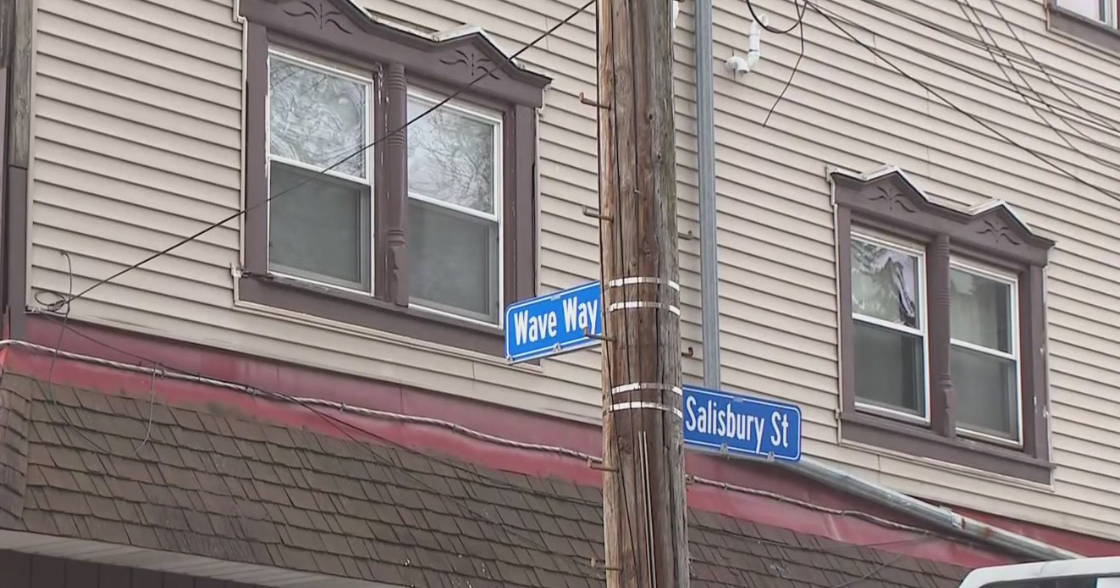
The home opened quietly on Salisbury Street, blocks from a playground, and residents say they only learned about it through Megan’s Law notifications.
Councilperson for the district, Bob Charland (D), admits there are currently no zoning rules that regulate where three-quarter homes can operate in the city.
Now, after community outrage and conversations here at City Hall, the operator agreed to move out.
“I feel very safe in this neighborhood, but something like that makes you wonder. Do you need to be more cautious? What’s being done to keep everybody safe? What’s happening behind those doors?” questioned neighbor Katelyn Hornick.
Online Megan’s Law records show a dozen registered sex offenders living at a three-quarter recovery house in the 2800 block of Salisbury Street.
The home sits blocks from the Arlington playground and the Arlington Recreation Center in a densely packed, family-filled neighborhood.
Officials told KDKA-TV that the building, long vacant, was converted without any warning.
“I don’t know what caused that to be their status, and I’m not going to sit here and say that I’m more worthy or deserving of anybody else to have a home and feel safe, but just not knowing,” Hornick said.
Councilperson Charland, who represents the South Side, says he was also caught off guard. He calls the lack of outreach concerning.
He says he was unaware they moved in until he started getting calls from frustrated residents.
“This is a deeply residential area. This is an area in my district where people are still raising families,” councilperson Charland said. “These are folks with a record of violent sexual misconduct.”
Charland says typically, if a halfway or three-quarter house moves into a neighborhood, the operator will reach out to be neighborly.
In this instance, he says the company operating the site, Skyline Recovery, didn’t do so.
But, after several attempts, Charland was able to talk with the operator this weekend, and they have agreed to leave the area as soon as possible.
“Thankfully, the operator was willing to move out on their own. We don’t really have a hammer to push them out. There isn’t a tool that exists like that for us to move forward and push them out,” Charland said.
While the operator has agreed to move out, the larger issue remains: What needs to be done to prevent the city and its neighborhoods from being caught off-guard again?
More from CBS News