
When President Donald Trump castigated Somalis in his State of the Union address and warned against “importing these cultures” through immigration, it was just the latest in a series of challenges to beset the community.
Amid increased immigration enforcement nationwide, and Trump’s own focus on the role of Somali immigrants in a Minnesota-based social services fraud scandal, local leaders say this is a difficult time for Pittsburgh’s Somali Bantu community.
“People are terrified. People are no longer living, they’re just surviving, always looking [over] their shoulder,” said Fatuma Muhina, president of United Somali Bantu of Greater Pittsburgh, in an interview earlier this month.
“What brought us to this country was hope for a better life,” said Muhina, who came to the U.S. as a child with her family.
Pittsburgh’s Somali community is mostly made up of Bantu, a minority ethnic group in Somalia. There are close to 1,000 Somali Bantu residents in the region, centered in Pittsburgh’s North Side.
They came to Pittsburgh beginning in 2004 legally through the refugee process, driven from Somalia by civil war and famine. Many are now U.S. citizens.
But the second Trump administration is causing new anxieties.
The administration has cut the number of refugees admitted to the U.S., capping admissions at the lowest level since the program was established.
Trump has highlighted a fraud scandal in Minnesota, where a number of people charged were from the Somali community. In December, the president referred to people from Somalia as “garbage,” and said he did not want them in the country.
“You get asked: ‘Are we going to get detained? Are we going to get deported?’ People sometimes [say] goodbye like they’re never coming back. It’s difficult and sad to see,” Muhina said.
Aweys Mwaliya, who runs the Somali Bantu Community Association of Pittsburgh, is advising those who are citizens to carry their passports at all times. “That itself is a discrimination” because other people don’t have to do the same, he said.
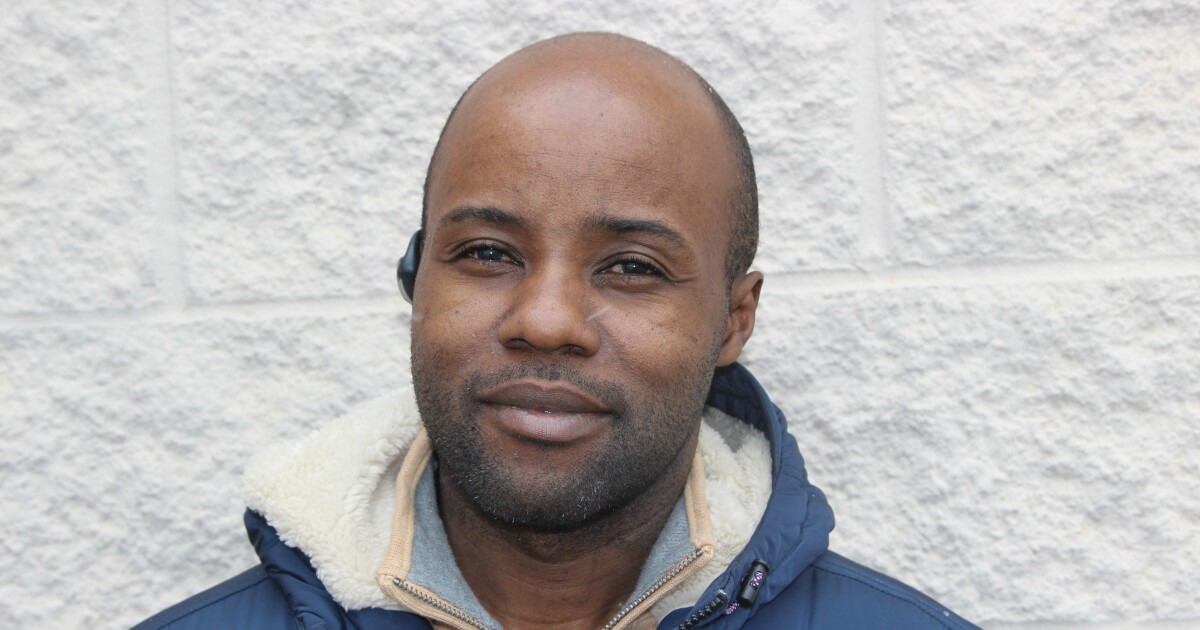
Mwaliya came to the U.S. in 2004 after many years in a refugee camp in Kenya. He works two jobs — in customer service for an airline and at a Sam’s Club — in addition to serving as an interpreter.
Both Mwaliya and Muhina said they feared comments by the President have emboldened hateful people.
“It is not right to just directly target a specific group of people,” Muhina said.
Mwaliya said members of the Somali community are like many other immigrant groups, who came to America seeking a better life.
U.S. Rep. Chris Deluzio joined a roundtable conversation about the challenges growers and restaurants are facing.
“Everybody that I know came here through the proper process, got vetted and everything,” Muhina said, referring to the extensive screening that refugees undergo before arriving in the U.S. “They have all their papers, but people watching the news, [you’re] seeing people, they say, ‘We had all the paperwork,’ and they still got deported.”
Mwaliya is still hopeful for the future, he said. Pittsburgh’s Somali Bantu residents survived a lot even before arriving here, he said: dictatorship in Somalia, a civil war in the 1990s, and many years living in refugee camps.
“We are resilient people,” he said. “The civil war itself taught us a lot of lessons. We lived in a time that was so difficult.”
It helps too, he said, that “there are a lot of wonderful Americans that share the same idea … and who are standing with us.”