
By Jack Tomczuk
Should members of City Council be allowed to remain in their positions while running for state or federal office?
Philadelphians appear set to decide through a question on May’s primary ballot, after Council approved legislation last week. The measure still needs the signature of Mayor Cherelle Parker.
The existing “resign-to-run” rule has been on the books since the 1950s, when the current City Charter, the municipal government’s foundational document, went into effect. It requires city employees, including elected officials, to step down before seeking political office, unless they are running for reelection.
Though “yes” almost always prevails when it comes to ballot questions, voters have twice rejected ditching resign-to-run over the past two decades. Most recently, the requirement was retained in the 2014 primary by a margin of 54% to 46%.
Rather than completely eliminate the provision, the proposed charter change would keep some elements.
City Council members would still need to resign to run for mayor, district attorney, or any other local office, and candidates would be barred from appearing on the ballot for two positions in the same election.
Almost all municipal government employees would still need to quit before launching a campaign; only elected officials would be exempt from resign-to-run. The mayor would also need to step down, according to representatives from the office of Councilmember Isaiah Thomas, the sponsor of the legislation.
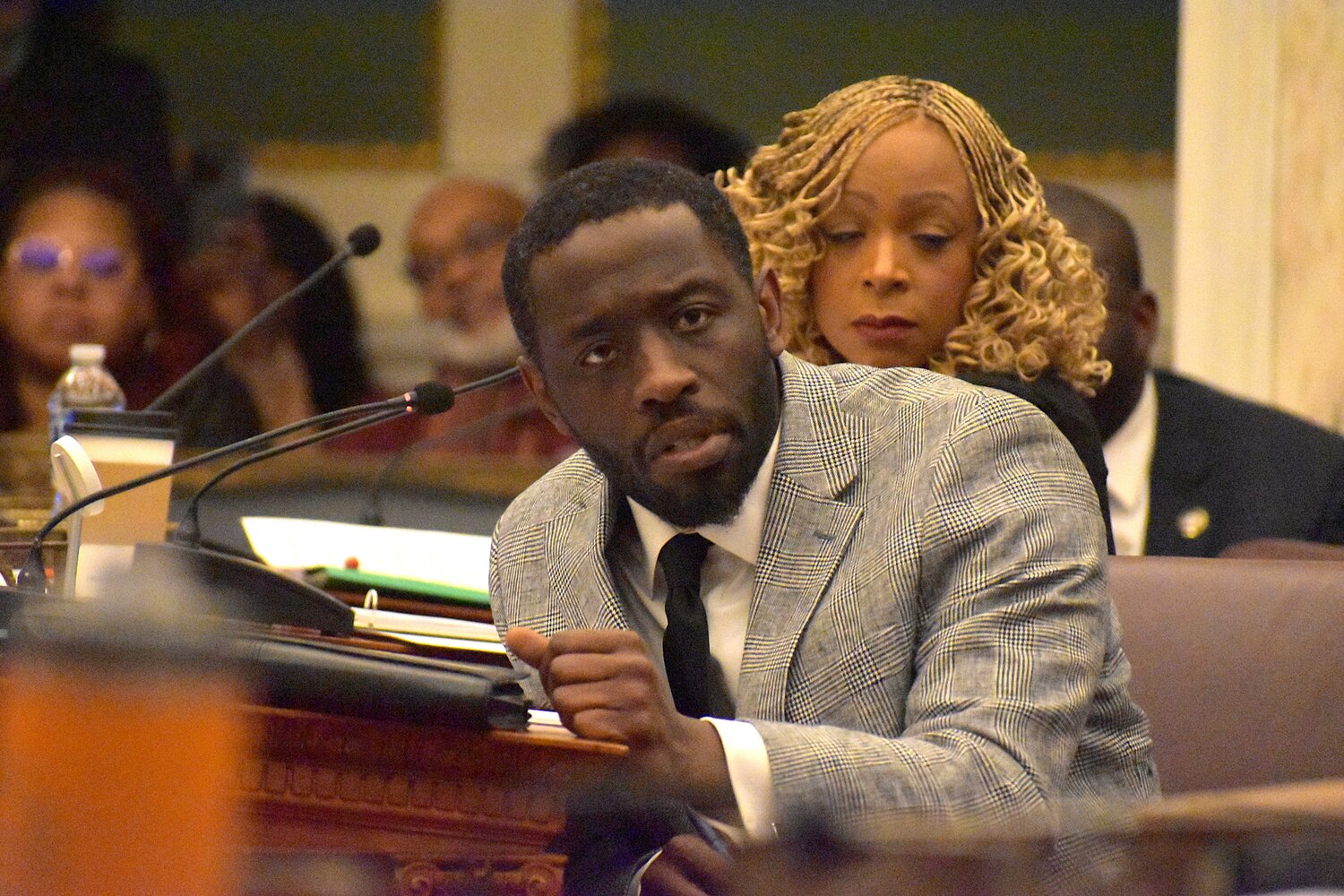
Thomas, who has shepherded the proposal since its introduction in November 2024, believes the change will expand the influence of city voters by allowing more experienced candidates to enter state and federal contests.
Pennsylvania does not require political hopefuls to quit their government jobs, and Philadelphia is the only locality in the state with such a rule.
“Reforming the resign-to-run rule for local elected officials is a critical first step towards ensuring Philadelphians have the best representation possible at all levels of government,” Thomas said in a Feb. 26 statement.
However, the Committee of Seventy (C70), a local nonprofit organization that focuses on government ethics, opposes the effort, arguing that the proposal under consideration “serves political interests, not the public interest.”
“We deserve reform that works for all Philadelphians, not just serves the interests of a few elected officials,” the group said in a statement.
Proponents of the restriction, including C70, believe elected officials could neglect their current duties if they have to spend time campaigning for a higher position. There are also concerns about politicians using their incumbency and official staff to gain an advantage.
C70 representatives indicated that they would support eliminating resign-to-run if it was paired with term limits for Council and extended to all city workers.