
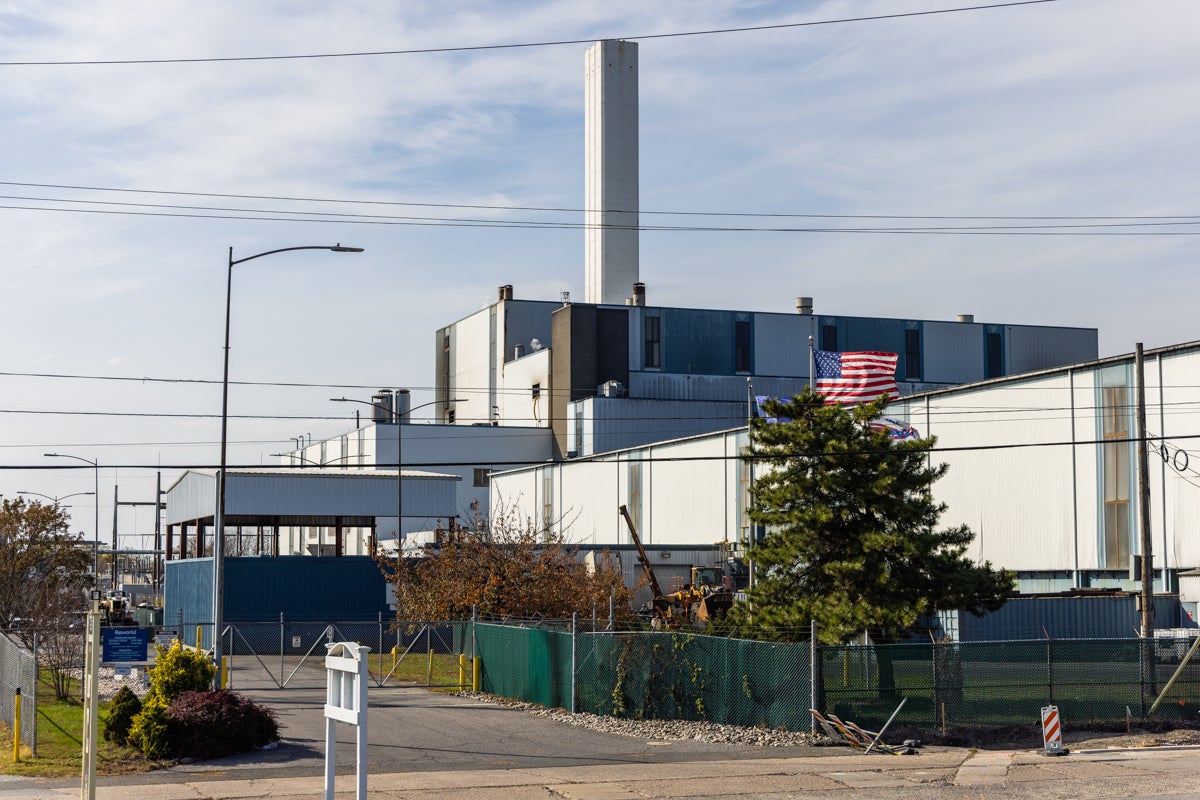
Reworld among largest spenders on lobbying in Philadelphia late last year
Reworld spent $45,000 on lobbying in the city during the final quarter of 2025, engaging in discussions about the bill with Gauthier and the city’s Department of Sanitation, according to city lobbying records. Reworld’s lobbyists also reported speaking with City Council members Katherine Gilmore Richardson, Jeffery Young, Curtis Jones Jr., Cindy Bass, Anthony Phillips, Rue Landau and Council President Kenyatta Johnson, or their staff, during that quarter.
“Polluters [don’t] just pollute our air, but pollute our politics,” said Mike Ewall, director of the Energy Justice Network, which advocates for a ban on incineration of Philadelphia’s waste.
It’s common for members of Council to be lobbied from multiple positions on a number of different bills. Grassroots lobbying conducted by volunteers does not require disclosure, since Philadelphia’s lobbying law only requires lobbying expenses over $2,500 in a quarter to be reported. Supporters of the anti-incineration bill do not appear to have reported any spending, according to the city’s lobbying information system.
Ewall, Mayfield and Chester Mayor Stefan Roots have advocated in favor of the legislation, including during a tour of Chester hosted by Gauthier for City Council members and their staff in November. Genevieve Greene, a spokesperson for Gilmore Richardson, said the councilmember did not take any meetings with Reworld lobbyists, but her legislative staff had meetings with parties on both sides of the anti-incinerator bill.
Vincent Thompson, a spokesperson for Johnson, said the city council president has spoken with Reworld lobbyists in the hallway outside of City Council chambers before Council meetings, as he has also done with residents of Chester, but has not had an official, sit-down meeting with lobbyists for Reworld.
“The Council president has also heard from the administration about their concerns about the bill and he has also heard from the sponsors of the bill about why they would like the bill passed, the same way that every other member of Council has heard,” Thompson said. “He’s taken all of that into consideration.”
Thompson did not specify Johnson’s position on the bill, but said the bill currently has neither support from nine members of City Council — which it would need to pass — nor from the Parker administration.
In a written statement, Carlton Williams, director of Philadelphia’s Office of Clean and Green Initiatives, said the city was unaware of the costs of Reworld’s lobbying efforts. He said the city has met with multiple entities about the proposed incineration ban, including Ewall’s Energy Justice Network and Reworld. He said the city has also talked with Gauthier about the impact that her bill could have on a request for proposals for the next waste disposal contracts and, as a result, added an environmental impact evaluation to its selection process for those contracts, which is currently underway.
“Per these discussions we continue to believe that the evaluation of these waste processes during the [request for proposals] is the best way to achieve a contract that is both fiscally and environmentally responsible to manage Philadelphia’s waste,” Williams said.
Reworld was among the biggest spenders on lobbying in the city during the last quarter of 2025. The $45,000 it spent on lobbying sits behind the more than $70,000 that the Chamber of Commerce for Greater Philadelphia spent, but is comparable to groups like the American Beverage Association, which spent about $41,000.
“This is a sign of a really major push by an interest group to get their position in front of legislators,” Hensley-Robin said.
Reworld’s lobbying expenses for all of 2025 in Philadelphia totaled around $113,000, including for discussions about the bill and more general discussions with City Council members or their staff about the company or the city’s trash and sustainability initiatives. Reworld spent more on lobbying in the city during the final quarter of 2025 than it had spent during any other quarter since at least mid-2023, the earliest that lobbying expense records for the company appear in the city’s database. The company spent between $1,000 and $30,000 on lobbying in Philadelphia during most quarters since mid-2023.
Reworld frames its incinerators as a sustainable alternative to landfills, which release planet-warming methane. The company has said burning trash produces electricity and recovers metals for recycling.
However, Sintana Vergara, an environmental engineer who studies waste management at Swarthmore College, said on WHYY’s “Studio 2” that waste incineration tends to be more dangerous for human health than landfilling, in part because incinerators tend to release heavy metals and cancer-causing pollutants.