
Pennsylvania officials issued a “do not eat” advisory for two creeks in the commonwealth last week. Video above: One of the affected creeks.The Pennsylvania Department of Environmental Protection and the Pennsylvania Fish and Boat Commission issued the do not eat advisory for all fish in the following creeks:Middle Spring Creek in Cumberland and Franklin counties in South-Central Pa.Portions (see details below) of Briar Creek in Columbia County in Northeast Pa. The advisory is due to high levels of PFOS, a long-lasting chemical that builds up in fish.Fishing is still allowed in these creeks, but fishers are advised not to eat anything that comes from the water.The state is investigating the source of the pollution and installing home water filters in the affected areas. The Fish and Boat Commission is stopping trout stocking in the affected creeks for now.New informationSince the advisory was issued, WGAL has learned that those filters are being installed in 24 residences. WGAL has also reached out to state officials to learn more about what led to the increase in chemicals, why the do not eat advisory was issued just last week and to learn more about the scope of the impact. Full do not eat advisoryHere is the statement officials released on Feb. 27:Pennsylvanians Advised to Not Eat Fish from Portions of Briar Creek and Middle Spring CreekHigh levels of PFOS in fish tissue prompted “Do Not Eat” advisory Streams will be removed from PFBC trout stocking programHarrisburg, PA – The Pennsylvania Departments of Environmental Protection (DEP) and Health and the Pennsylvania Fish and Boat Commission (PFBC) have issued a “Do Not Eat” advisory for all species of fish in Briar Creek (Columbia County) and Middle Spring Creek (Cumberland and Franklin Counties), due to the high levels of Perfluorooctane Sulfonate (PFOS). PFOS, a “forever chemical,” was found in sampled fish tissue above the 0.04 parts per million “do not eat” advisory level. “Protecting public health is a top priority for us. Advisories like these are not something that we recommend lightly and DEP will continue to sample fish species and revisit this recommendation in the future,” said DEP Secretary Jessica Shirley. “DEP is investigating the source of the PFOS pollution in these creeks through the Hazardous Sites Cleanup Act program, one of the vital services this program provides.”As part of its Hazardous Sites Cleanup Act response in these watersheds 30 point of entry (POET) filtration systems have been installed at properties in the Briar Creek watershed; another 24 will be installed in the Middle Spring watershed in order provide safe drinking water for residents.As a result of the “Do Not Eat” advisories, the PFBC will discontinue trout stocking in the impacted waters until further notice. Efforts will be made to identify nearby waters to reallocate trout previously stocked in these streams to provide continued recreational angling opportunities for future stocked trout. Fishing is still permitted in the impacted streams, but anglers should follow the “Do Not Eat” advisory.“Whenever a stream, or lake, is removed from our trout stocking list, we make every effort to keep the fish local and stock them in nearby waters for anglers to enjoy,” said Tim Schaeffer, PFBC Executive Director. “We intend to do the same in this case.”The “Do Not Eat” advisory extends to all species of fish for Briar Creek, West Branch Briar Creek, and portions of East Branch Briar Creek downstream of Briar Creek Reservoir due to high PFOS levels. The Briar Creek advisory does not include Briar Creek Reservoir and those portions of East Branch Briar Creek upstream of the reservoir. The Middle Spring Creek advisory extends to the entire Middle Spring Creek watershed.While the public is advised not to eat any fish species from these streams, including wild and stocked trout, anglers should note that PFBC hatchery-raised trout stocked in hundreds of other waters across the Commonwealth can continue to be harvested. Stocked trout remain subject to the standard consumption advisory for all species of recreationally caught sport fish caught in the state’s waterways, which is no more than one meal (one half pound) per week.The first step in addressing this contamination is identifying sources, several of which have already been identified. The Briar Creek and Middle Spring Creek watersheds are currently being investigated under the Hazardous Sites Cleanup Act (HSCA), which provides funding and authority to conduct cleanup actions and provide water treatment systems for affected homeowners. For more information, please see the links below for each ongoing investigation:North Centre Township HSCA Investigation (Briar Creek)Middle Spring Creek HSCA InvestigationGovernor Josh Shapiro has called for an additional $20 million for the Hazardous Sites Cleanup Fund in his 2026 Budget Proposal to ensure that investigations and cleanups are able to continue. PFOS is one of a group of perfluoroalkyl and polyfluoroalkyl chemical substances (PFAS) that readily build up in fish tissue. Pennsylvania’s Fish Consumption Advisory Program has been evaluating sport-caught fish in Pennsylvania waters for various contaminants, including PCBs, pesticides, and heavy metals. Pennsylvania recommends different quantities and frequencies for fish consumption based on the species and where it is caught. Pennsylvania began collecting fish tissue samples to test for PFOS to incorporate those findings into the recommendations. Levels detected in fish tissue samples from the Briar Creek and Middle Spring Creek watersheds were over the 0.04 parts per million (40.0 ng/g) Do Not Eat advisory level.More information on PFOS and other PFAS chemicalsMore information on fish consumption advisoriesWater Quality Contaminants of Emerging Concern
SHIPPENSBURG, Pa. —
Pennsylvania officials issued a “do not eat” advisory for two creeks in the commonwealth last week.
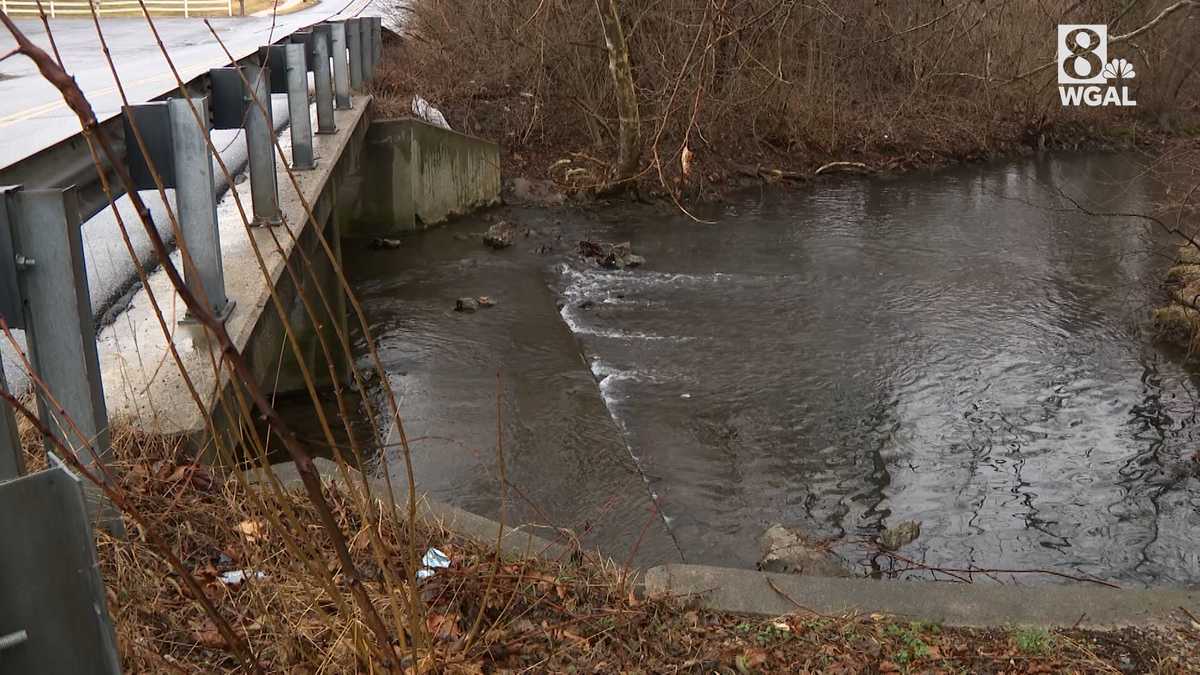
Video above: One of the affected creeks.
The Pennsylvania Department of Environmental Protection and the Pennsylvania Fish and Boat Commission issued the do not eat advisory for all fish in the following creeks:
Middle Spring Creek in Cumberland and Franklin counties in South-Central Pa.Portions (see details below) of Briar Creek in Columbia County in Northeast Pa.
The advisory is due to high levels of PFOS, a long-lasting chemical that builds up in fish.
Fishing is still allowed in these creeks, but fishers are advised not to eat anything that comes from the water.
The state is investigating the source of the pollution and installing home water filters in the affected areas. The Fish and Boat Commission is stopping trout stocking in the affected creeks for now.
WGAL
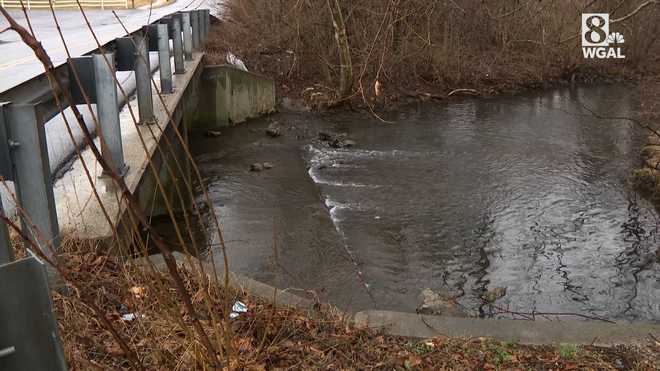
Middle Spring Creek in Cumberland County.
WGAL
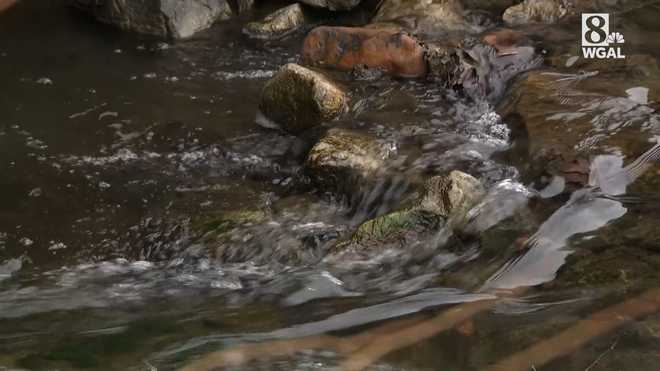
Middle Spring Creek.
New information
Since the advisory was issued, WGAL has learned that those filters are being installed in 24 residences.
WGAL has also reached out to state officials to learn more about what led to the increase in chemicals, why the do not eat advisory was issued just last week and to learn more about the scope of the impact.
Full do not eat advisory
Here is the statement officials released on Feb. 27:
High levels of PFOS in fish tissue prompted “Do Not Eat” advisory
Streams will be removed from PFBC trout stocking program
Harrisburg, PA – The Pennsylvania Departments of Environmental Protection (DEP) and Health and the Pennsylvania Fish and Boat Commission (PFBC) have issued a “Do Not Eat” advisory for all species of fish in Briar Creek (Columbia County) and Middle Spring Creek (Cumberland and Franklin Counties), due to the high levels of Perfluorooctane Sulfonate (PFOS). PFOS, a “forever chemical,” was found in sampled fish tissue above the 0.04 parts per million “do not eat” advisory level.
“Protecting public health is a top priority for us. Advisories like these are not something that we recommend lightly and DEP will continue to sample fish species and revisit this recommendation in the future,” said DEP Secretary Jessica Shirley. “DEP is investigating the source of the PFOS pollution in these creeks through the Hazardous Sites Cleanup Act program, one of the vital services this program provides.”
As part of its Hazardous Sites Cleanup Act response in these watersheds 30 point of entry (POET) filtration systems have been installed at properties in the Briar Creek watershed; another 24 will be installed in the Middle Spring watershed in order provide safe drinking water for residents.
As a result of the “Do Not Eat” advisories, the PFBC will discontinue trout stocking in the impacted waters until further notice. Efforts will be made to identify nearby waters to reallocate trout previously stocked in these streams to provide continued recreational angling opportunities for future stocked trout. Fishing is still permitted in the impacted streams, but anglers should follow the “Do Not Eat” advisory.
“Whenever a stream, or lake, is removed from our trout stocking list, we make every effort to keep the fish local and stock them in nearby waters for anglers to enjoy,” said Tim Schaeffer, PFBC Executive Director. “We intend to do the same in this case.”
The “Do Not Eat” advisory extends to all species of fish for Briar Creek, West Branch Briar Creek, and portions of East Branch Briar Creek downstream of Briar Creek Reservoir due to high PFOS levels. The Briar Creek advisory does not include Briar Creek Reservoir and those portions of East Branch Briar Creek upstream of the reservoir. The Middle Spring Creek advisory extends to the entire Middle Spring Creek watershed.
While the public is advised not to eat any fish species from these streams, including wild and stocked trout, anglers should note that PFBC hatchery-raised trout stocked in hundreds of other waters across the Commonwealth can continue to be harvested. Stocked trout remain subject to the standard consumption advisory for all species of recreationally caught sport fish caught in the state’s waterways, which is no more than one meal (one half pound) per week.
The first step in addressing this contamination is identifying sources, several of which have already been identified. The Briar Creek and Middle Spring Creek watersheds are currently being investigated under the Hazardous Sites Cleanup Act (HSCA), which provides funding and authority to conduct cleanup actions and provide water treatment systems for affected homeowners. For more information, please see the links below for each ongoing investigation:
Governor Josh Shapiro has called for an additional $20 million for the Hazardous Sites Cleanup Fund in his 2026 Budget Proposal to ensure that investigations and cleanups are able to continue.
PFOS is one of a group of perfluoroalkyl and polyfluoroalkyl chemical substances (PFAS) that readily build up in fish tissue. Pennsylvania’s Fish Consumption Advisory Program has been evaluating sport-caught fish in Pennsylvania waters for various contaminants, including PCBs, pesticides, and heavy metals. Pennsylvania recommends different quantities and frequencies for fish consumption based on the species and where it is caught. Pennsylvania began collecting fish tissue samples to test for PFOS to incorporate those findings into the recommendations. Levels detected in fish tissue samples from the Briar Creek and Middle Spring Creek watersheds were over the 0.04 parts per million (40.0 ng/g) Do Not Eat advisory level.