
LOWER MOUNT BETHEL TOWNSHIP, Pa. – A name you may know is defending a possible controversial future project.
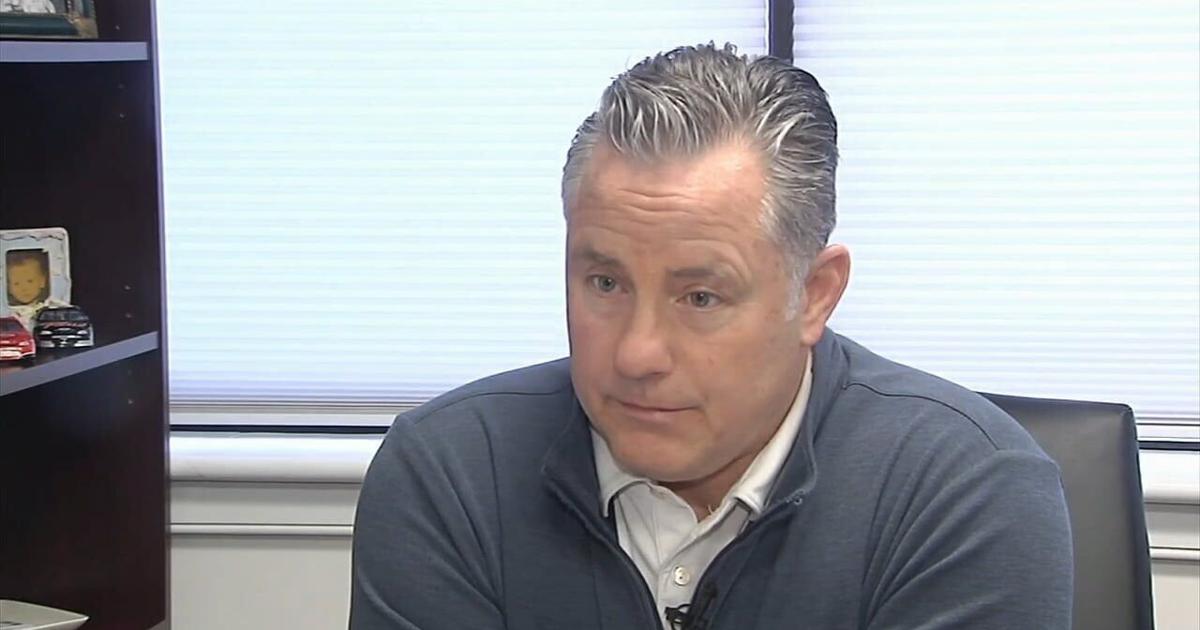
John Callahan, former Bethlehem mayor, is part of the development group hoping to put a data center in Northampton County.
“I think everybody understands that AI and the data centers that make AI possible are here to stay,” said former Bethlehem Mayor John Callahan.
He’s now part of a development group wanting to put a data center on 450 acres in Lower Mount Bethel Township, a rural community where a petition against the project has more than 5,000 signatures.
Callahan and his partners are hoping to sway naysayers in a highly anticipated April 6 town hall.
“There have been data centers in other communities that have had very negative impacts, you know, on their host community, and so that’s part of this whole process. And we think we’ve got a site that makes sense,” Callahan said.
Developers have launched a website with preliminary details.
Callahan says details of the plan will be revealed at that town hall, but says they’ll build and pay for their own power plant to generate their own electricity to not add costs to consumers.
They also plan to use state-of-the-art technology to reduce water consumption and provide sound suppression.
Callahan says being a good, transparent community partner is key.
“Is that something you could think could happen?” 69 News reporter Bo Koltnow asked.
“No,” said Karen Feridun, co-founder of Better Path Coalition, a statewide coalition of 30 groups that, among other environmental issues, tracks data centers.
As issues of natural resources, pollution, and quality of life are ingrained in data centers, according to Feridun. She says there are currently 52 in the planning stages statewide.
“I’ve been working on, you know, environmental issues for 18 years now, and I have never seen anything proposed that has brought communities out in opposition to a project like a data center proposal in a community,” she said.
State Sen. Katie Muth plans to introduce legislation placing a three-year moratorium on data centers to allow communities to catch up.
Callahan says that would set the state back.
For many residents, it’s a case of when something “out of sight, out of mind” meets you head-on.
“We understand their concerns. We’re early on in the process. We’re committed to being very transparent with the supervisors, very transparent with the community,” Callahan said.