
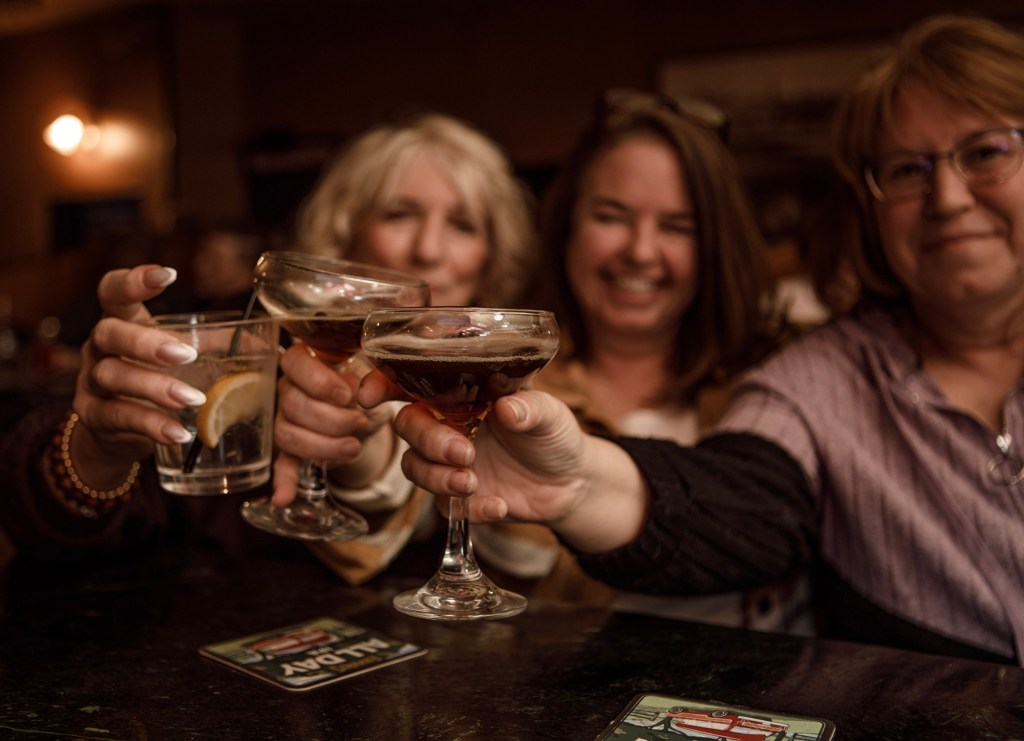
What future does alcohol have?
Any bar, restaurant or brewery wrestles with that question, especially now.
The percentage of United States adults who say they consume alcohol fell to 54% last year, the lowest since 1939, according to an August Gallup poll. That trend is also true for young Americans, Gallup also reported, as more people become concerned about alcohol consumption’s health effects.
The Lehigh Valley has welcomed quite a few businesses recently where drinks are specialties — among them The Broken Record in Lower Macungie Township, Presley’s Cocktail Bar in Easton, Barley Creek Taproom Saucon at Promenade Saucon Valley and the 1812 Piano Lounge in Allentown.
At the same time, customers have said goodbye to similar businesses in the last few years — places like Blended in Allentown, Bar Louie at Promenade Saucon Valley, Mother’s Bar & Grille in Easton and the Pocono Brewery Co. Taproom and Iron Hill Brewery and Restaurant at Lehigh Valley Mall.
Lehigh Valley tavern owners and industry experts told The Morning Call that there are many reasons behind the trend, but businesses still can succeed.
“Wineries and breweries are opening up everywhere you turn, but … there’s also been several closures,” said Michelle Ritter, owner of the Willow Street Pub in North Whitehall Township and a board member for the Pennsylvania Licensed Beverage & Tavern Association. “[Alcoholic beverages are] … a lot more accessible now. You think you’re going to go have a beer — you don’t have to just go to the bar. You can go to the corner store and buy a beer now. You can go to the grocery store.”
Ritter said her pub, which opened over 25 years ago, has seen food and alcohol sales rise each year, and she doesn’t believe less people are drinking or that people have stopped going out. The challenge, she said, is to keep prices reasonable while costs go up.
“I think it’s just the longevity, like we’ve been there for so long,” Ritter said of the pub’s success. “Honestly, I mean, we don’t really do any advertising at all. We’re all word of mouth, so we don’t run coupons, we don’t do all that kind of stuff, so I don’t know. I would just say it’s the atmosphere, the service, the good food. That’s probably what I would attribute it to.”
Philip Simonetta, who took over last year as co-owner at Pearly Baker’s Alehouse in Easton, said it was too early to say how alcohol sales have trended at his restaurant but recognized that beer and wine sales have generally declined in the last few years locally and nationally, though overall alcohol sales have been strong recently at his place.
“The demand has dropped off because there’s other options for people, I believe,” he said. “You have legalization of marijuana, you have gummies, you have … people are turning to other avenues for their recreation.”
He also pointed out that with the COVID-19 pandemic and social media, the ways people go out and socialize have changed. Computers and phones have given other means to connect with people rather than over a drink.
“People aren’t out as late anymore, people aren’t as [social] anymore, like social norms have changed, but I feel I see it coming back,” Simonetta said. “Those social norms are starting to change, like kind of migrate back to where they were. People hanging out, people having a good time.”
At Pearly Baker’s, Simonetta said he’s building more of an “experience” that is complemented by alcohol rather than just a bar, where the goal is just to get customers inside, cater to them beyond alcohol and be flexible with offerings.
That includes live music, trivia nights, open mic events, karaoke, a chili contest, social media announcements, restaurant weeks, replacing food ingredients with more affordable options and offering mocktails.
“That’s how you combat liquor sales being down … you create a place where people want to be,” Simonetta said. “And then because they want to be there, they’re going to buy what you have.”
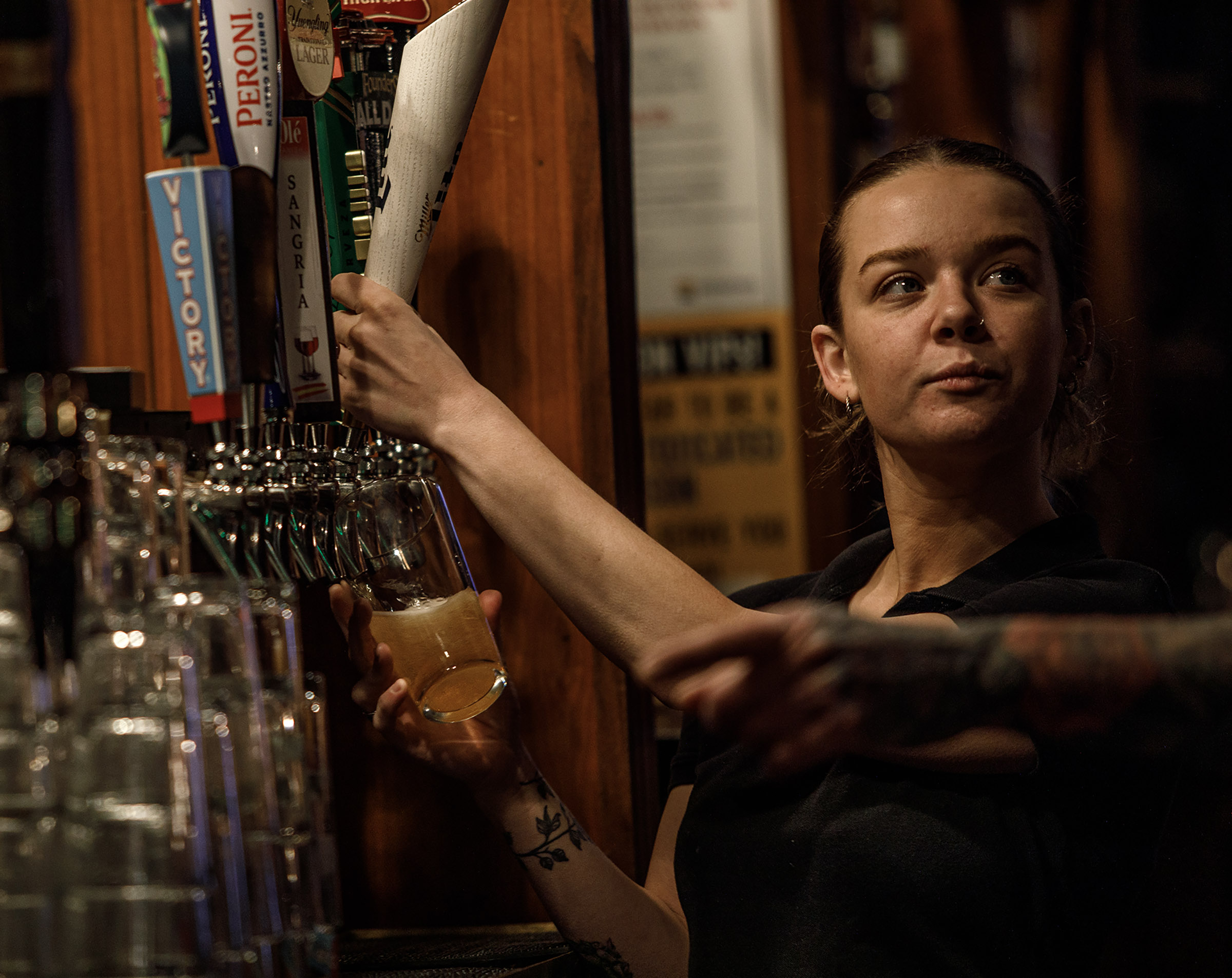
Sierra Fryer of Easton fills an order at Pearly Baker’s Alehouse, on Friday, Feb. 27, 2026, in Easton. (Jane Therese/Special to The Morning Call)
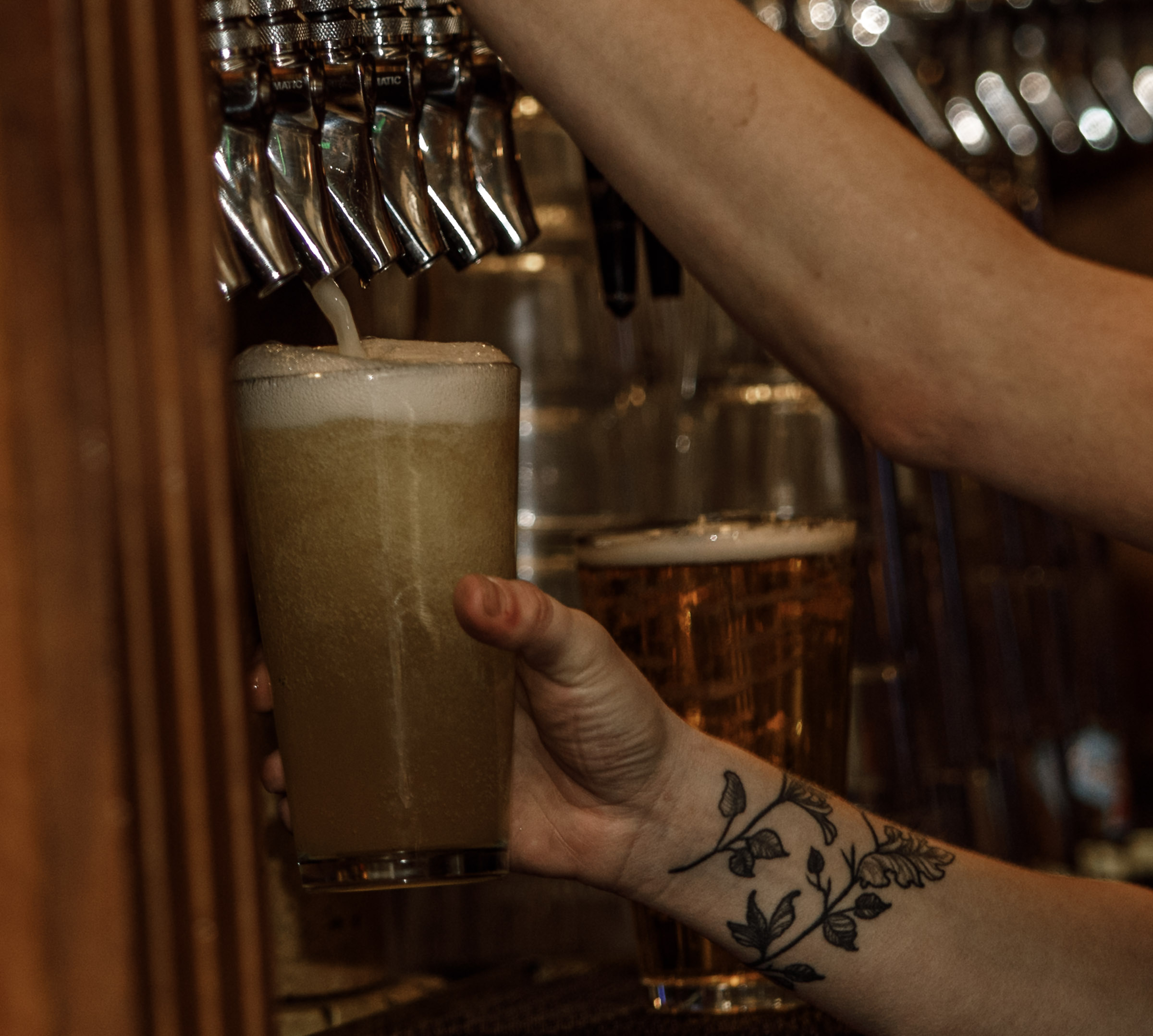
Sierra Fryer of Easton fills an order at Pearly Baker’s Alehouse, on Friday, Feb. 27, 2026, in Easton. (Jane Therese/Special to The Morning Call)
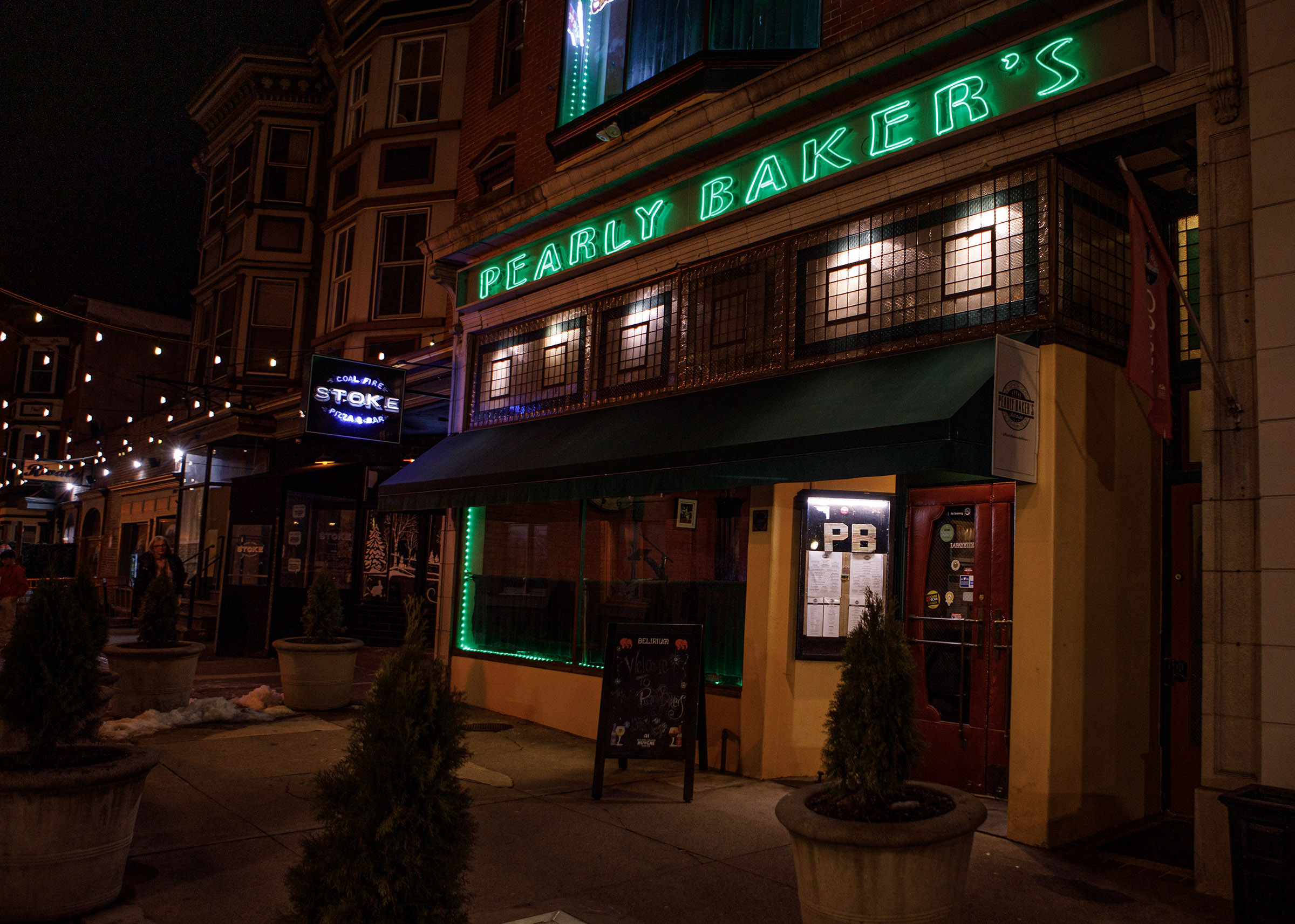
Pearly Baker’s Alehouse, on Friday, Feb. 27, 2026, in Easton. (Jane Therese/Special to The Morning Call)
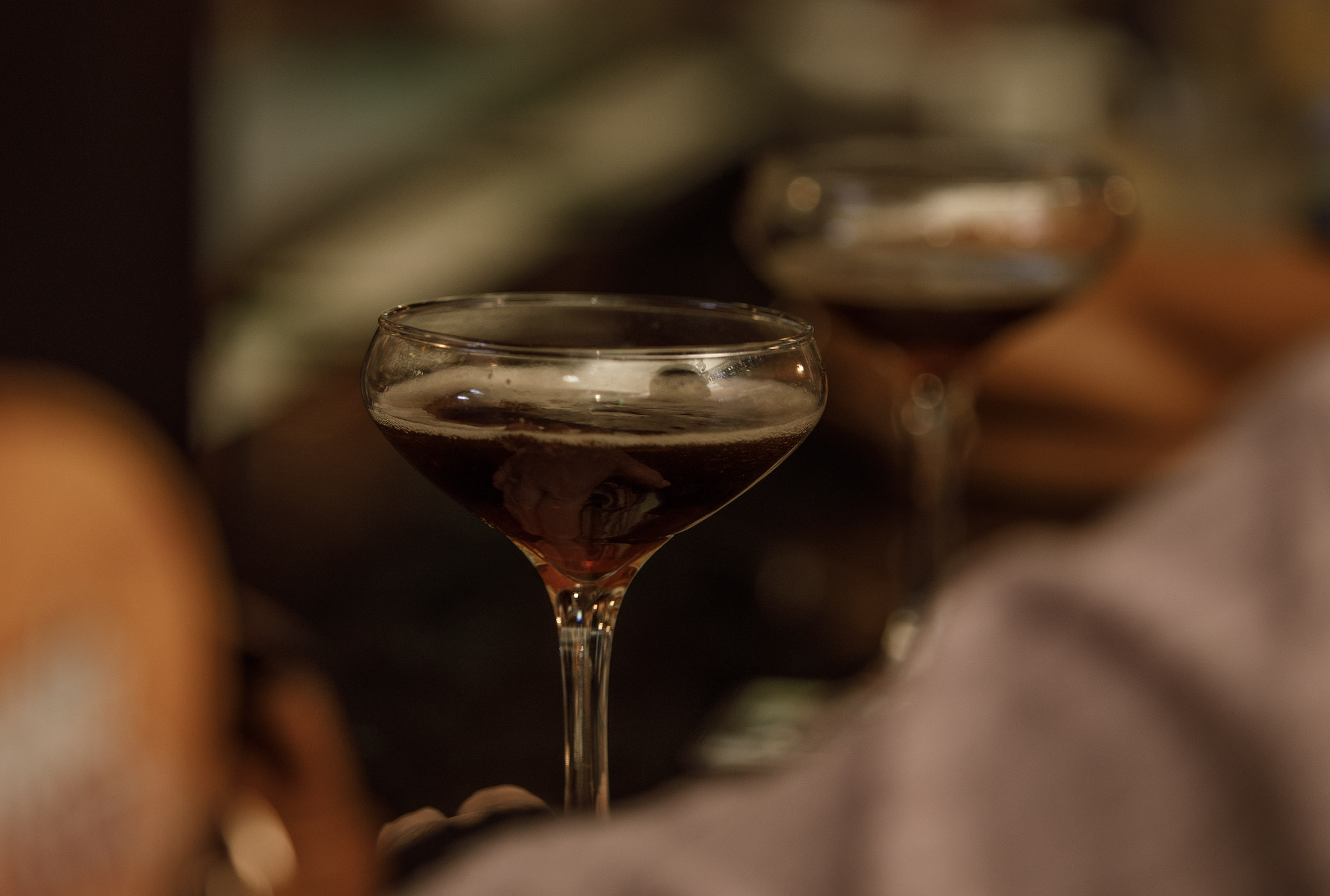
A cocktail at Pearly Baker’s Alehouse, on Friday, Feb. 27, 2026, in Easton. (Jane Therese/Special to The Morning Call)
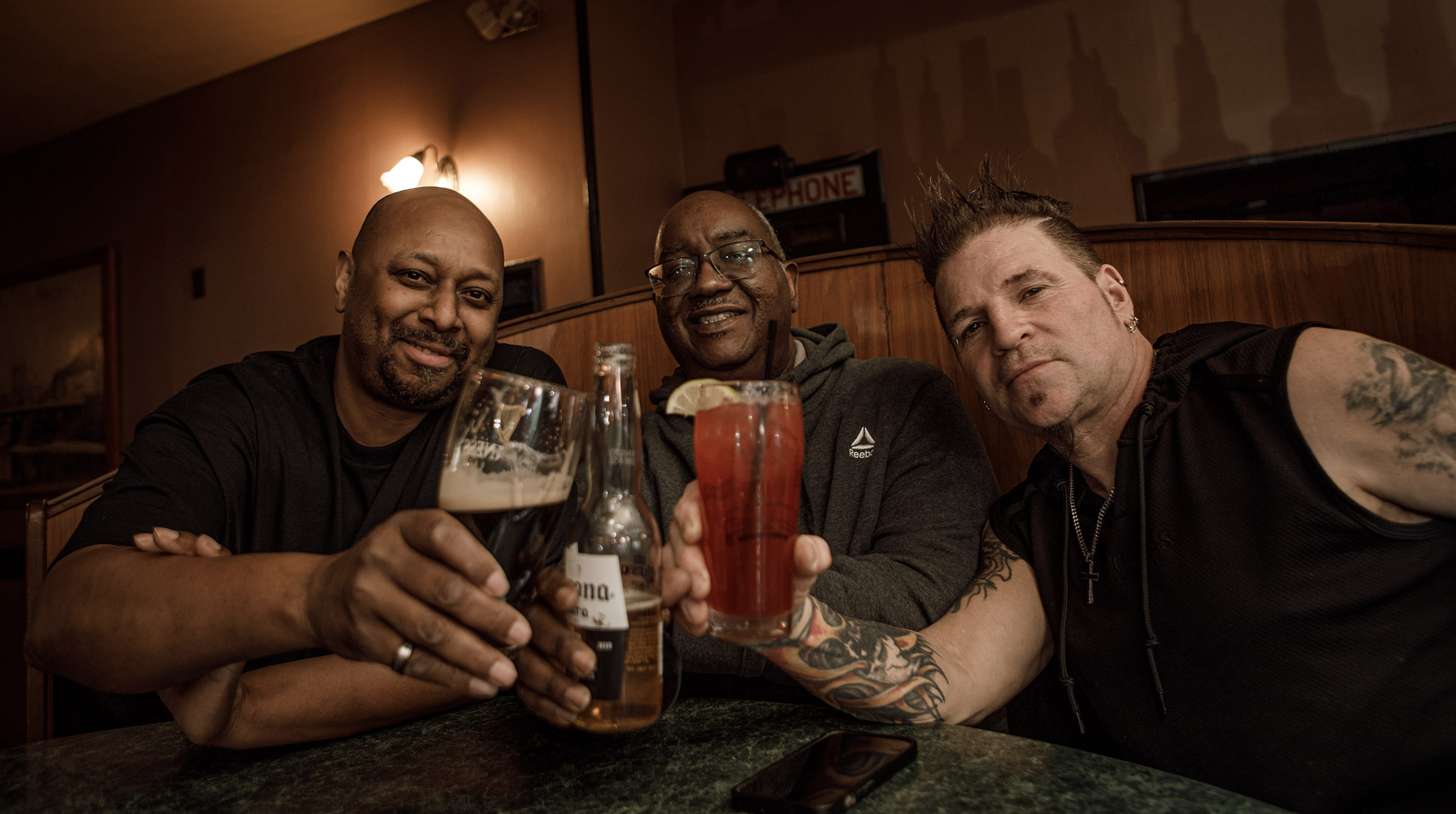
Steven Crawford, Mark Williams and Bill Charles, all of Easton have drinks at Pearly Baker’s Alehouse, on Friday, Feb. 27, 2026, in Easton. (Jane Therese/Special to The Morning Call)
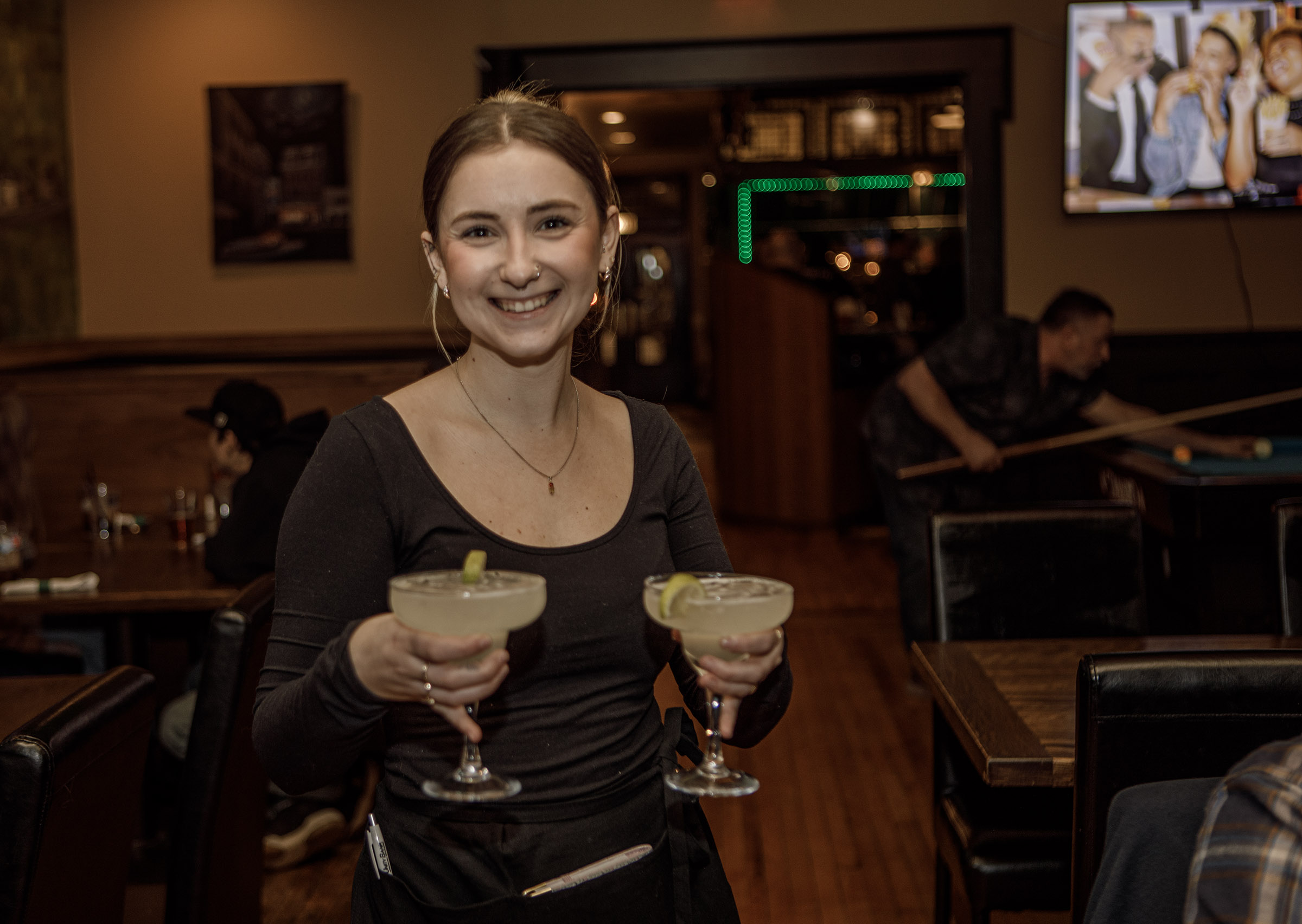
Olivia Delong of Allentown serves drinks at Pearly Baker’s Alehouse, on Friday, Feb. 27, 2026, in Easton. (Jane Therese/Special to The Morning Call)
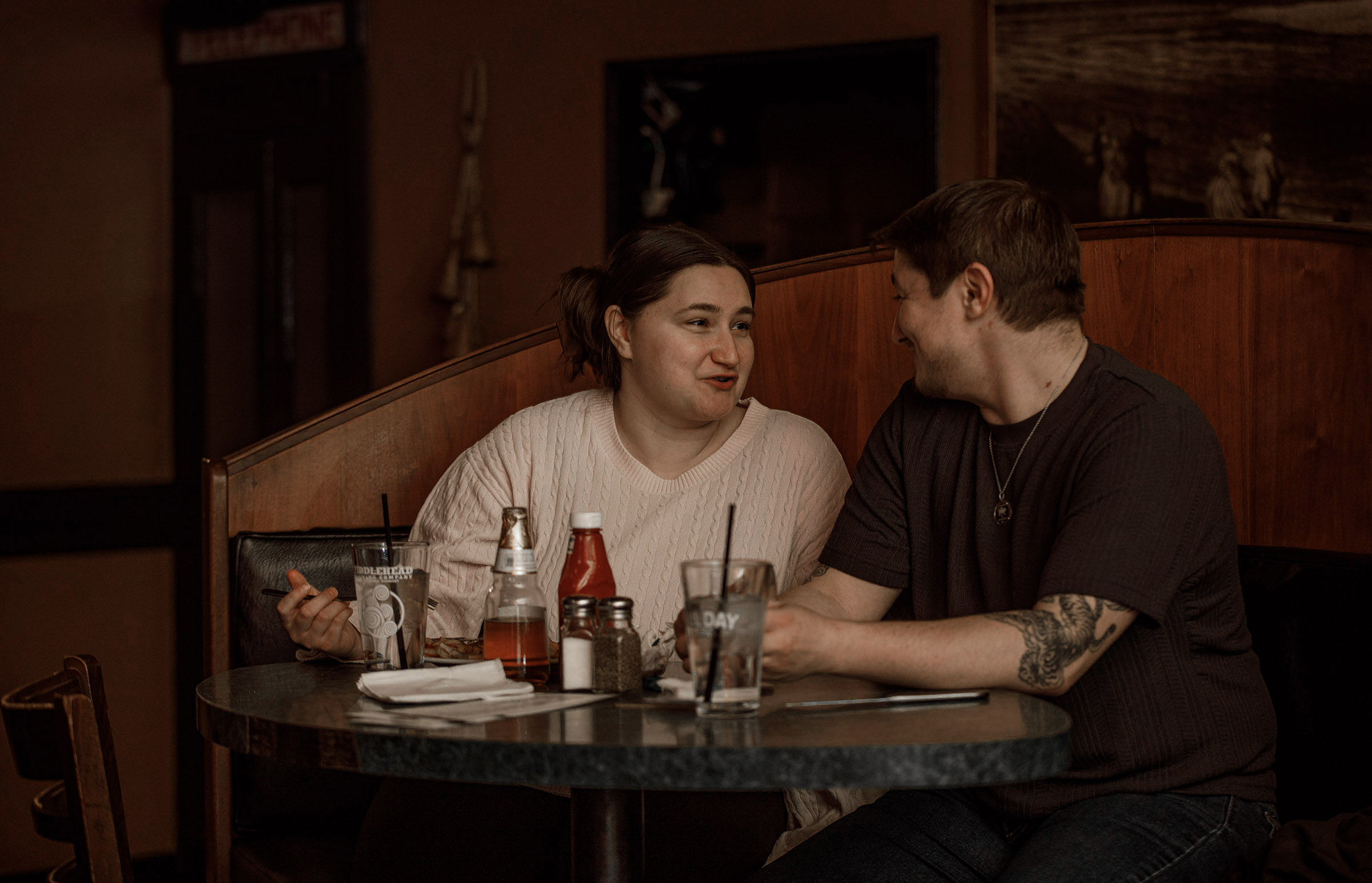
Krystal Cruz and Cody Nastacio, both of Easton, have dinner and drinks at Pearly Baker’s Alehouse, on Friday, Feb. 27, 2026, in Easton. (Jane Therese/Special to The Morning Call)
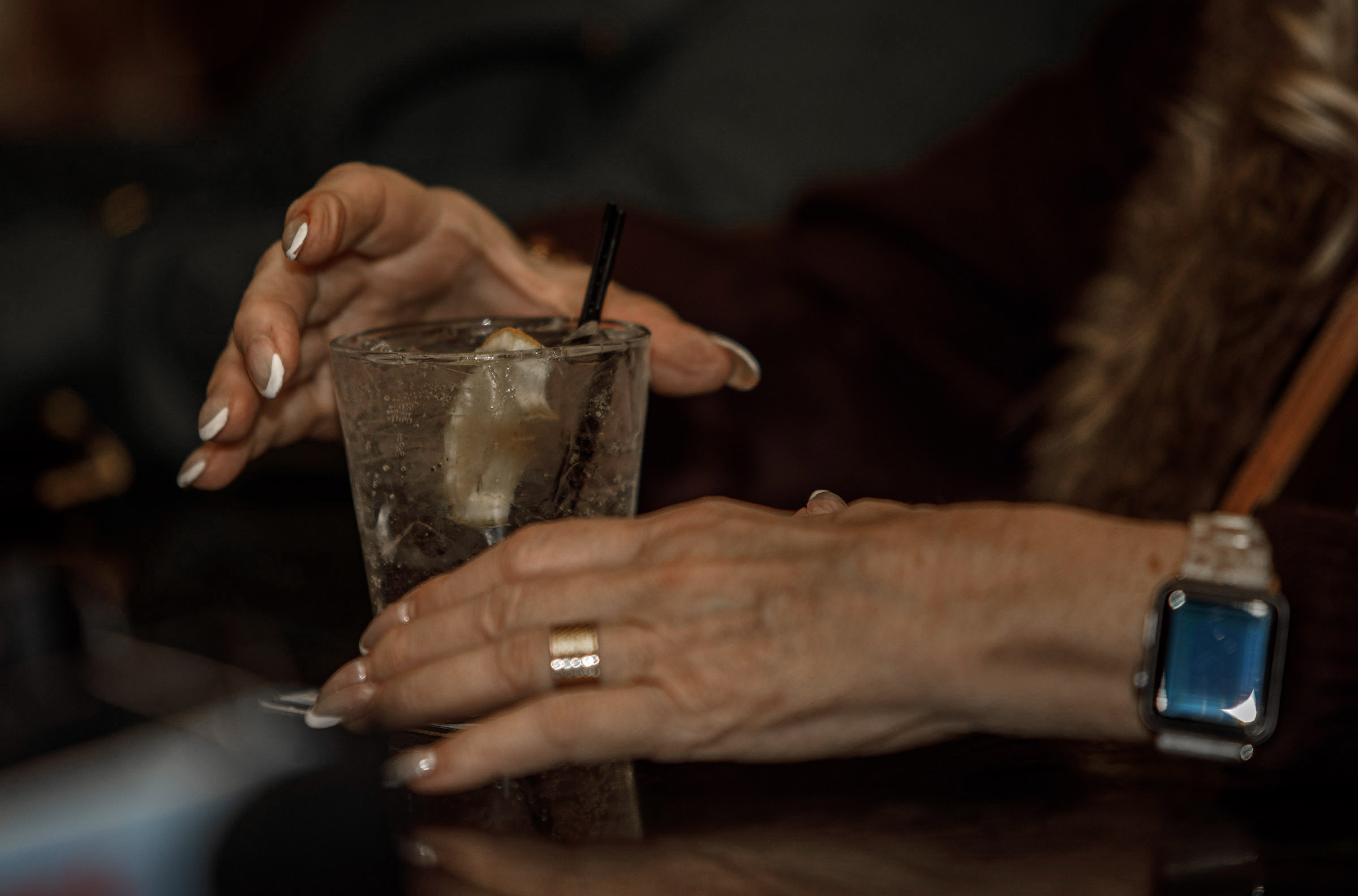
A customer has a drink at Pearly Baker’s Alehouse, on Friday, Feb. 27, 2026, in Easton. (Jane Therese/Special to The Morning Call)
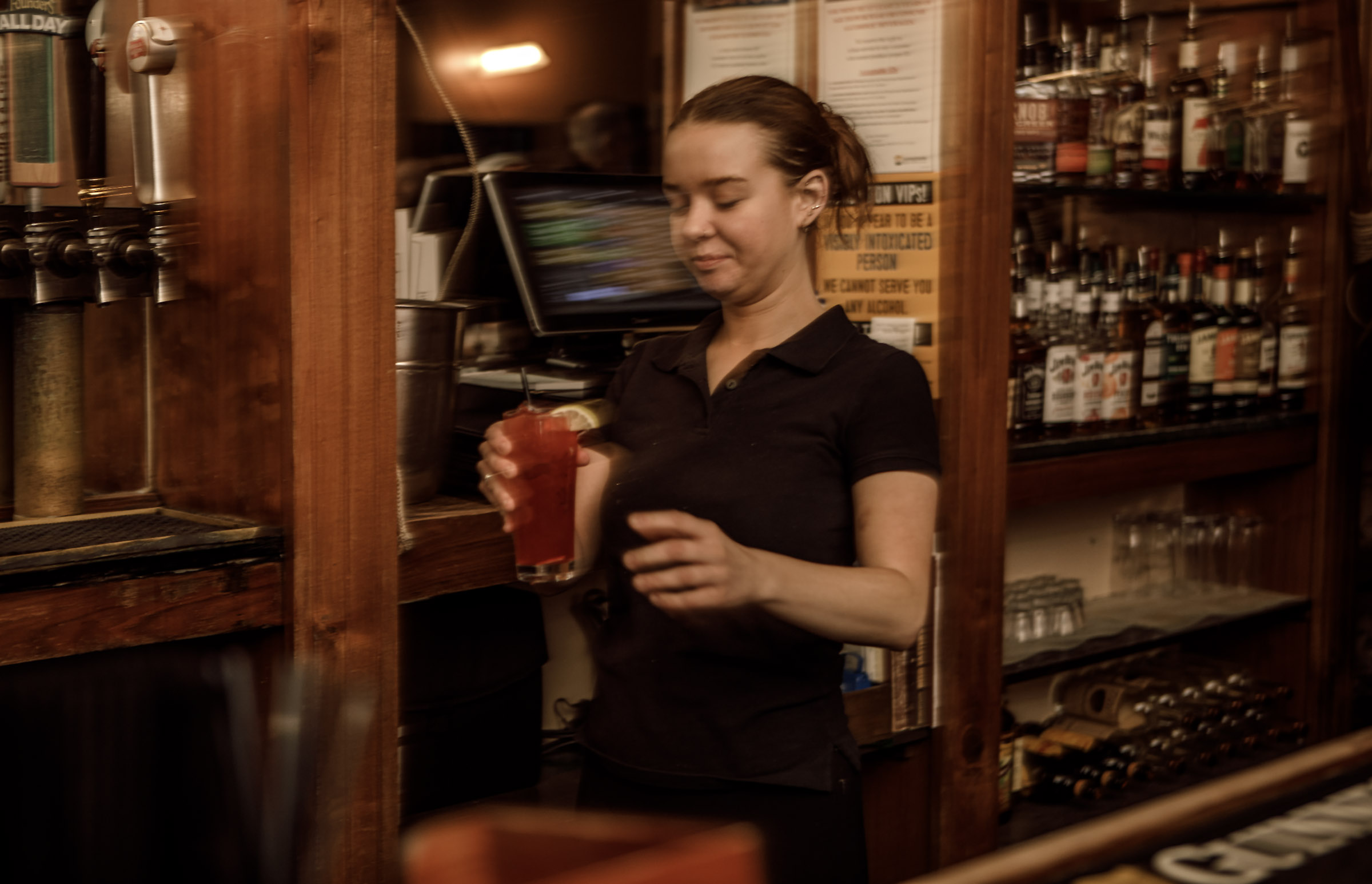
Sierra Fryer of Easton serves drinks at Pearly Baker’s Alehouse, on Friday, Feb. 27, 2026, in Easton. (Jane Therese/Special to The Morning Call)
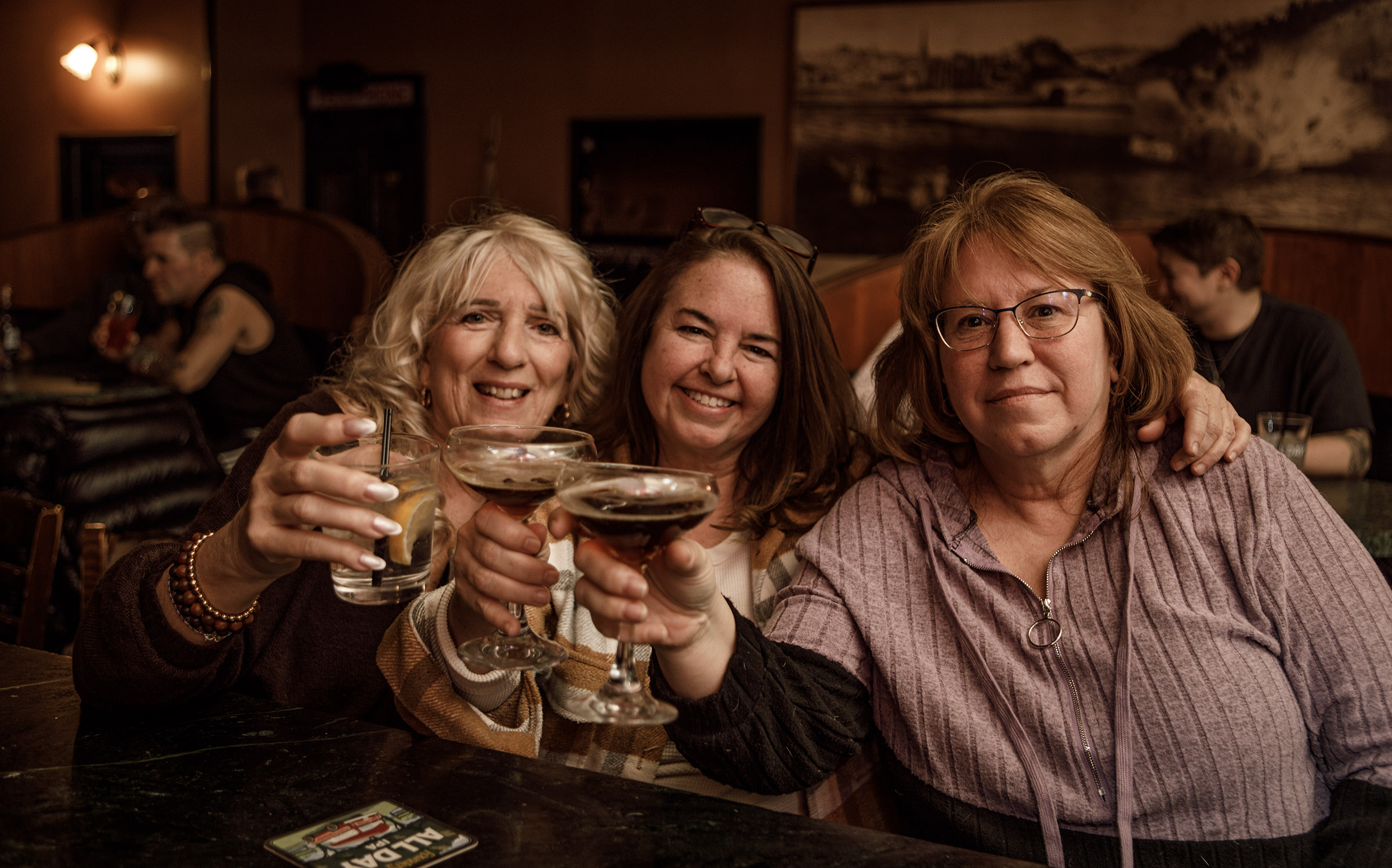
Marlene Miller, Joan Dean and Jill Allen, all of Easton, have cocktails at Pearly Baker’s Alehouse, on Friday, Feb. 27, 2026, in Easton. (Jane Therese/Special to The Morning Call)
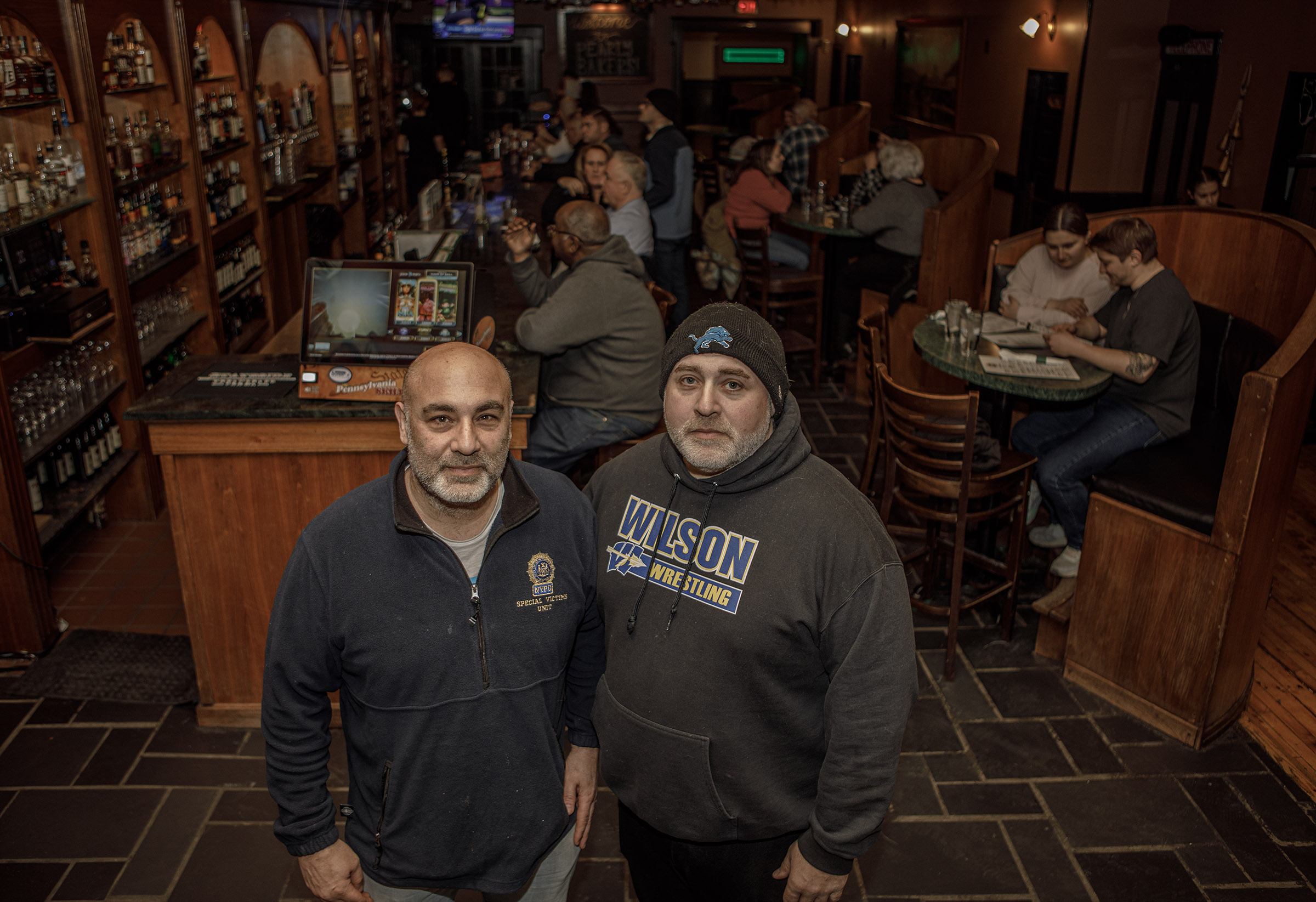
Philip Simonetta and his brother Joseph, owners of Pearly Baker’s Alehouse, pose in the bar area on Friday, Feb. 27, 2026, in Easton. (Jane Therese/Special to The Morning Call)
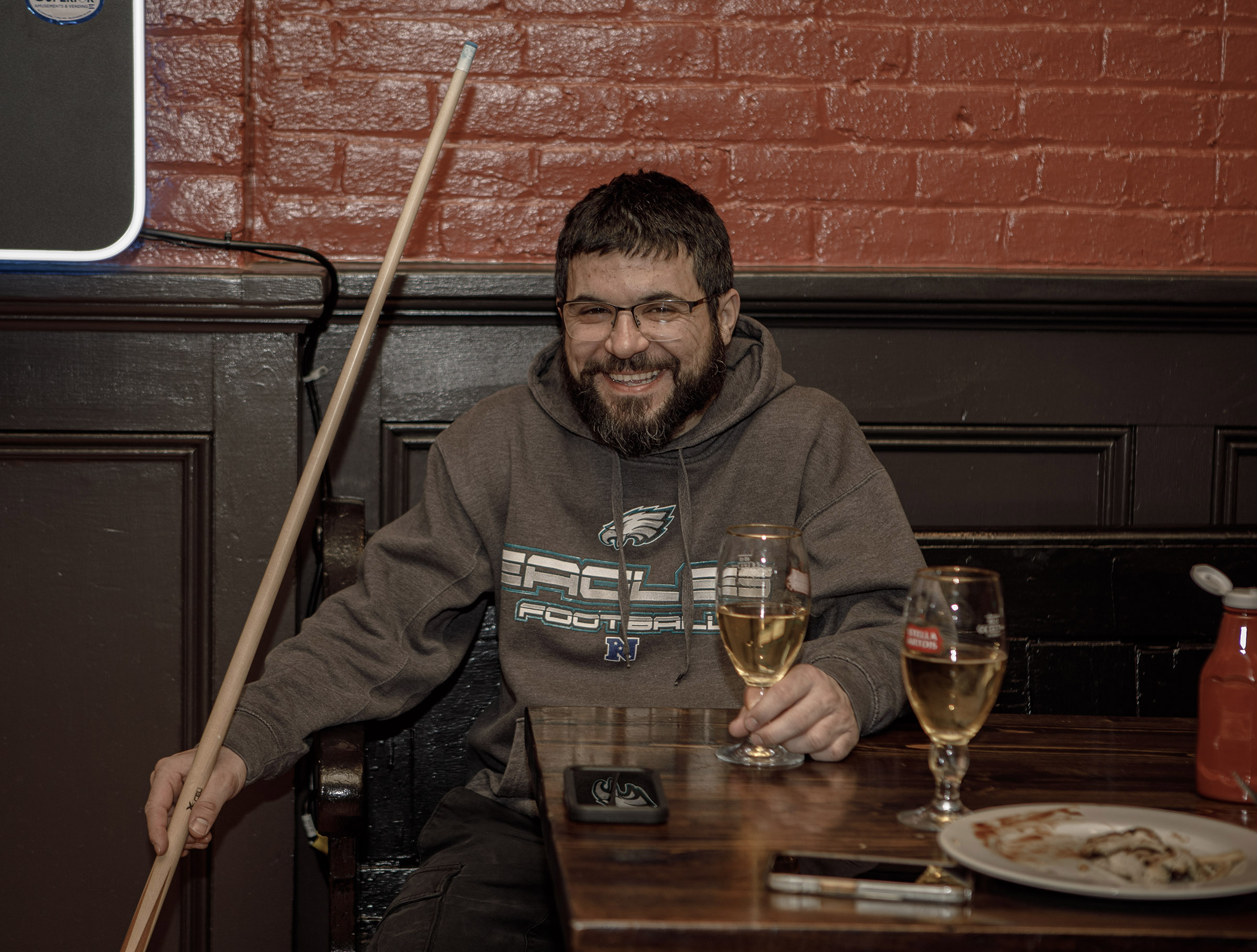
Ra Umarov of Easton plays pool at Pearly Baker’s Alehouse, on Friday, Feb. 27, 2026, in Easton. (Jane Therese/Special to The Morning Call)
Show Caption
1 of 12
Sierra Fryer of Easton fills an order at Pearly Baker’s Alehouse, on Friday, Feb. 27, 2026, in Easton. (Jane Therese/Special to The Morning Call)
HiJinx Brewing Co. owner Curt Keck, with about 30 years in the alcohol industry, has seen those trends go in cycles. He doesn’t believe alcohol will go away, and breweries do keep opening, but people are consuming alcohol differently.
“Back in the ’90s, I worked for two other local microbreweries, and shortly after I started, we started to see a trend toward wine,” he said. “And I think now we’re seeing the trend toward low-alcohol beverages, ready-to-drink cocktails, we saw a little surge for ciders and seltzers. It just seemed that they drifted away from beer for a little bit and still continue to.”
Keck said he’s also seeing a decline in alcohol consumption.
“Whether that be [for] health or health reasons or economic reasons, I don’t know for sure,” he said. “You know, I have two sons, and they’re not big drinkers. So their generation … especially my youngest, he’s 23, his friends are not consuming alcohol.”
Keck has also seen restaurants and bars at lower capacity, including a lack of foot traffic for the former HiJinx location in Allentown that closed last year before it announced a new location in Tatamy.
He justified the decision not only because the downsizing can accommodate the declining trend of drinking (or just not spending as much money), but the new location gives patrons an option for outdoor space. It also has live music.
“I think it’s mostly implementing some kind of entertainment program and keeping the draw there, regardless of consumption, and pivoting into a position where it’s not solely about the alcohol,” Keck said. “Being creative with what the draw is.”
In the Lehigh Valley, sales depend on location
Steve DiDonato, founder of the Lehigh Valley Restaurant Owners Alliance who sells wine through The Wine Merchant importer and distributor, said the restaurants it distributes to are mostly doing well and have been resilient when it comes to alcohol sales, but he recognized a drop-off in statewide and national alcohol sales.
DiDonato said that following the COVID-19 pandemic, many places aren’t open to let people have a classic martini lunch anymore, or are closed Monday or Tuesday. They also don’t stay open as late.
“I think people just reevaluated their life … and just said, ‘If I add a lunch service, I’ve got to have an entire new staff,’ ” he said. “So looking at costs … obviously food costs have gone up tremendously, especially during the last administration when prices went off the chart. I don’t know how people survived that, to be honest with you. When we had 9% inflation, I don’t understand how restaurants survived it.”
DiDonato added that this can look different depending on where you are in the Lehigh Valley. Easton and Bethlehem restaurants have thrived, he said, but things are tougher in downtown Allentown, which has recently welcomed Okatshe, Moxy Allentown Downtown hotel, Archer Music Hall and the Italian restaurant Simpatico.
“I think people that work downtown, at 5 o’clock when the bell rings, they get in their car and they leave,” DiDonato said. “That happy hour business isn’t like it used to be.”
DiDonato said that’s a shift from around 20 years ago, when Allentown had “a happening restaurant scene in downtown.”
“The happy-hour, after-work crowd was a lot of fun,” he said. “It’s not that anymore. They’re missing a big chunk of that business, and I don’t know how to get those people to go out after work. I don’t have an answer for it, and I think everybody struggles with it. I don’t know if anybody has the right answer. The restaurants that are being aggressive, they’re doing aggressive happy hours. They’re trying to do some fun things, some people have music, just to try to get people to come in after work because that’s a huge part of what their business used to be. … It’s become more of a dining destination and less of an after-work, happy-hour kind of crowd.”
Richard E. Ryan, the CEO and president of Bru Daddy’s Brewing Co. in Allentown, said while alcohol sales have trended downward at his business, it’s still done well with craft beer sales.
“When we first started, we were a bar that served food,” he said. “Now we’re a restaurant that serves alcohol.”
He agreed with the idea that the restaurant and happy hour scenes have struggled in Allentown. This is not just because of the pandemic, but because of the influx of apartments and renters rather than family homes and residents who live there for decades.
Ryan hopes, however, that additions like Archer Music Hall and the Moxy can help.
“There’s a lot of new properties that serve to bring people downtown, and so that’s kind of working in the positive direction,” he said. “So we’re seeing for example, at Bru Daddy’s, we’re seeing a lot more families with kids than we did five or six years ago, and that’s great. That’s really good for our business and in terms of what we prefer, we actually prefer that.”
Alcohol sales are changing everywhere in the Lehigh Valley, restaurant owners said.
Simon Vovra, operations vice president for The Shelby in Lower Macungie Township, said it hasn’t seen a decline in alcohol interest, but customers have become more thoughtful and selective.
That doesn’t mean looking for just elevated beverages like handcrafted cocktails or mocktails, but also looking for more unique restaurant experiences like Okatshe, or those found in New York or Miami. They have a higher standard now.
“They’re looking for different,” Vovra said.
Simpatico owner Jesse Haik, who also co-owns the nearby Pennsylvania Rye Co., said both haven’t been affected much by the trends of alcohol sales but acknowledged softer alcohol consumption during “dry” January in the last few years.
He added younger people don’t seem to be getting as much into alcohol as previous generations, and that he predicts the broader decline in hospitality alcohol sales will continue as they become more of the workforce population and regional income.
Haik also felt most people just aren’t spending as “robustly” as they used to, highlighting possible reasons such as tariffs and a stagnant job market.
“People are also concerned about the effects of ICE and the immigration policies because whether people are here, illegal or not, or whether you agree with that situation or not and what’s happening with it … if these people are leaving the country or if they’re hiding from this organization that’s looking to deport them, they’re not spending as much money,” he said.
Part of the solution is to broaden the scope of beverages as a category, he said, such as with nonalcoholic drinks — like water.
“I know in Manhattan, there’s certain higher-end restaurants that have water menus,” Haik said. “They’ll have Fiji, Evian … Pellegrino, of course, Acqua Panna. But then not only do they have these products, but there’s someone able to speak to you about them — their texture, their mouthfeel.”
A traditional, alcohol-focused bar may not have as much of a future beyond places like a college campus, Simonetta said, but he still believes alcoholic drinks have a future where people demand it and use it as a social crutch.
“People are always going to be social,” he said. “Is the alcohol going to be part of the new socialization, is the question, and I think it always will be,” he said. “You’re going to have trends, you’re going to have where it comes up or down, up and down.”