
In traditionally underserved neighborhoods surrounding Oakland, Pitt-affiliated organizations are working to provide free and equitable educational opportunities to community members.
Educational outreach efforts help support the University’s City-based Institutional Master Plan. This Pitt document, last approved in 2021 by the Pittsburgh City Council, is created with input from the broader community to evaluate and advance Pitt’s impact on the city. As inequalities in local K-12 schools persist, Pitt’s outreach has continued to grow.
The IMP is a legally binding document addressing topics including city planning and zoning, building conditions and use, sustainability goals and Pitt’s relationships with neighboring communities.
Crystal Couch, a higher education PhD student, said public education systems are being challenged as the federal government works against “access and equity in education.” She believes it is important for community members to have decision-making power in community outreach initiatives such as Community Engagement Centers.
“Creating a reciprocal partnership that puts the community and community members in the driver seat is important to meaningful outreach to me,” Couch said. “I do think that education outreach can toe a fine line between advancing access and equity and playing into a savior role.”
Couch said as many universities approach underserved communities, they should think about how to use an “asset” mindset to understand the existing values of a community.
Historically, communities with large Black and immigrant populations in Pittsburgh — including the Hill District and Hazelwood — have been segregated or redlined as the Home Owners Loan Corporation designated residential areas as “definitely declining” or “hazardous.”
“When thinking about Pittsburgh’s history and present of being a redlined and deeply racialized city and then having these large universities enter into the communities, what does it mean to conduct educational outreach?” Couch said. “Who gets to benefit from these relationships?”
Alexandra Sabini, a junior teacher education major, said clubs at Pitt like Girls Inc., where Pitt students provide mentorship to local elementary school students, can help bridge achievement gaps. Sabini collaborated with Girls Inc. through her service sorority.
“So many of the Pittsburgh Public Schools are dealing with systemic inequalities due to the impact of redlining in Black communities,” Sabini said. “Because of this, our schools that serve larger populations of students of color are not receiving adequate resources.”
According to University spokesperson Jared Stonesifer, the University has made “significant progress” on goals set in 2021 in the IMP regarding “Neighborhood Enhancement Strategies.”
In January this year, the American Council on Education and the Carnegie Foundation recognized Pitt once again as one of 277 institutions with the Carnegie Classification for Community Engagement, an award the University first earned in 2020. This classification recognizes universities with strong community engagement initiatives to improve research, teaching and learning and address societal issues, and is valid at Pitt through 2032.
The Gismondi Neighborhood Education Program provides literacy and math tutoring, free science education to support “STEAM and digital equity” and homework help to elementary students. It also provides transportation for elementary school students to Pitt-run Community Engagement Centers in Homewood and the Hill District.
Stonesifer said programs like GNEP help improve partnerships with Oakland residents and members of other local communities.
“GNEP’s continued investments align with Pitt’s aspiration to engage a growing set of young people that believe in their ability and are well-prepared to become future Panthers,” Stonesifer said.
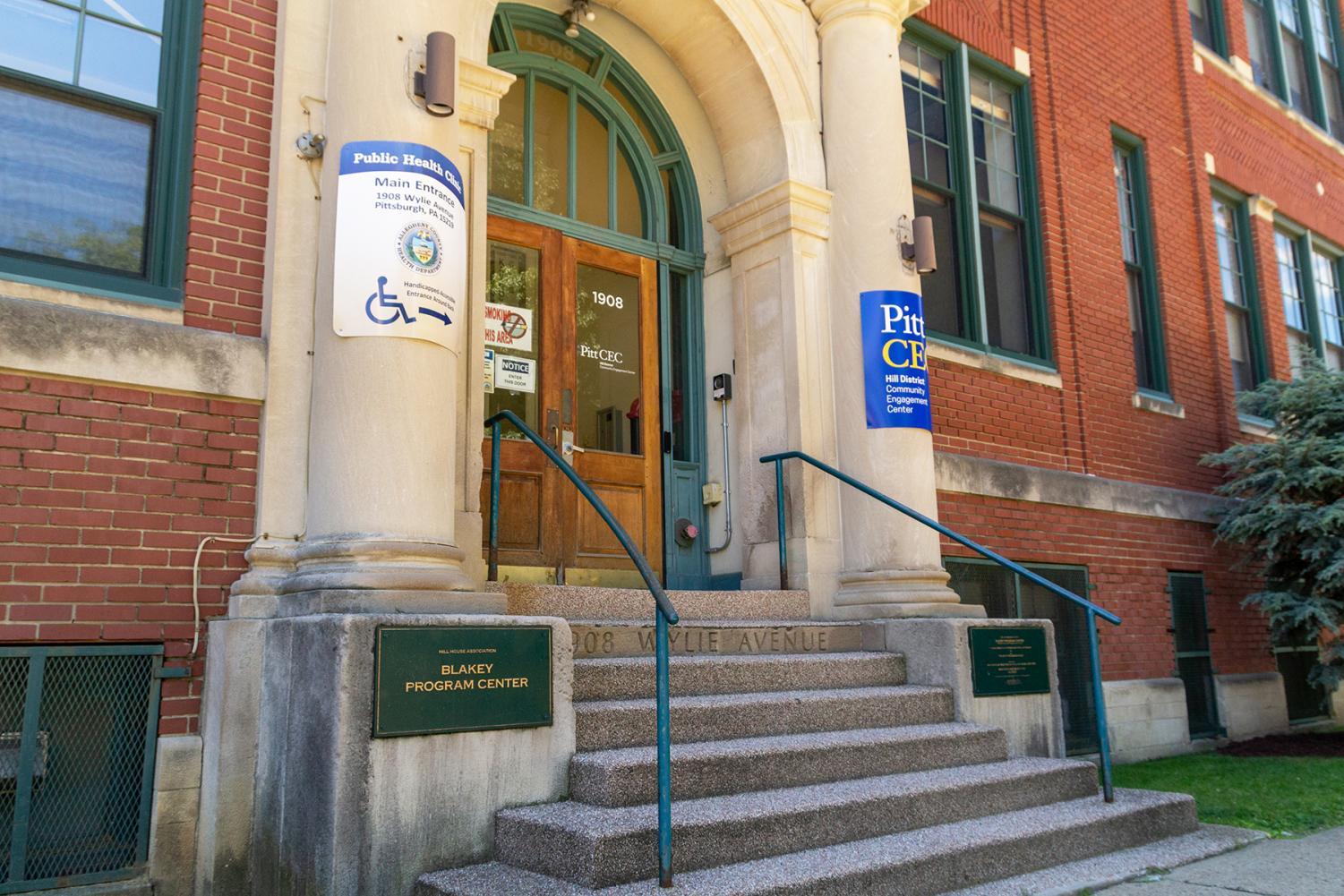
By the start of the summer, a new location for the Hill District Community Engagement Center will debut with programming such as adult coding classes and STEAM summer camps for elementary school students. According to Stonesifer, these efforts continue to support the IMP’s goals to invest in local communities.
“Since the IMP, Pitt has also launched economic anchor strategy teams as well as a Public Impact portfolio to continue to drive investment in initiatives that support Pitt’s ability to contribute to the health and vitality of the broader public,” Stonesifer said.
Sabini believes educational outreach efforts to underserved communities can help give children the opportunity to “put their interests and passions into action.”
“I think meaningful outreach starts with recognizing and honoring the school community you are entering and working with,” Sabini said. “You must recognize the values and culture of a school in order to connect with the population being engaged. This starts with asking questions about their interests, what is important to them and what goals they have in their education.”