
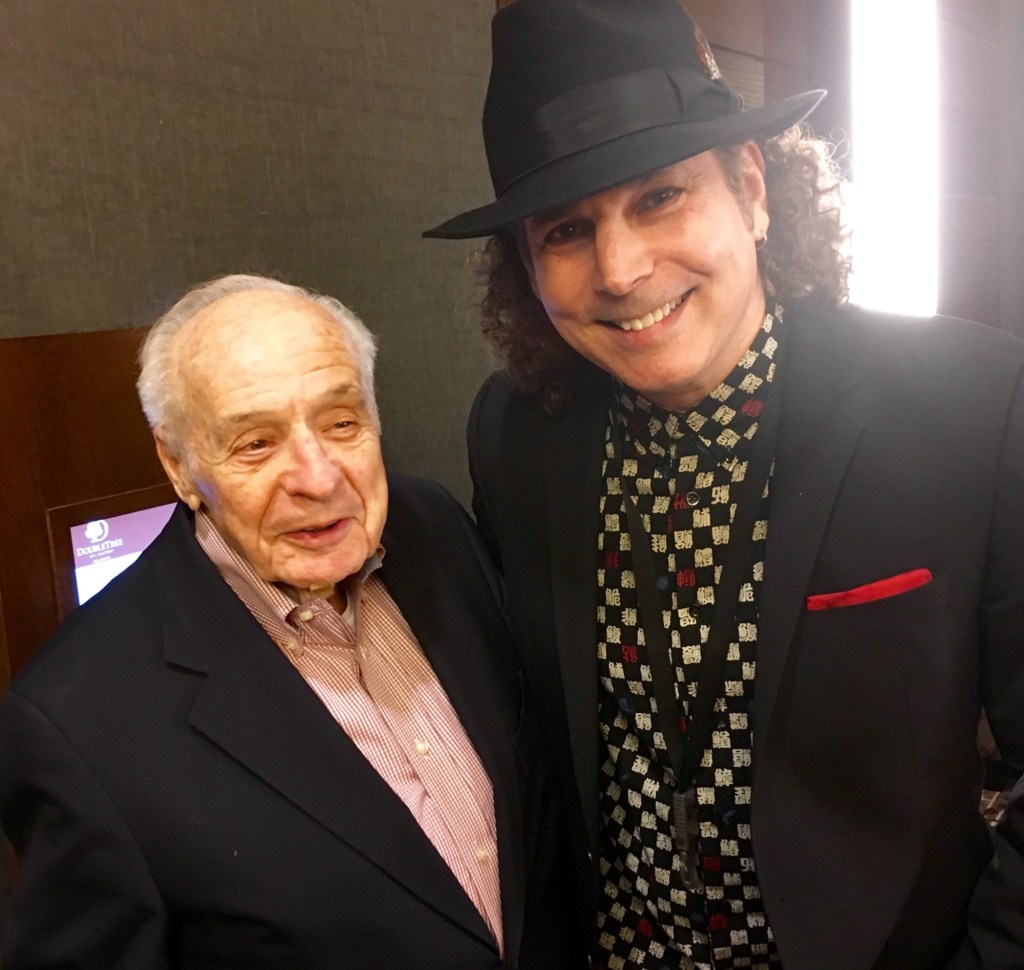
Until the start of Berks Jazz Fest in 1991, my musical journey had taken me on a meandering path that did not include much of our greatest national art form.
I explored classical, rock, international folk, Broadway, avant-garde, Indian classical — but very little jazz (except for what I heard on the radio and TV during the ’60s and ’70s). (My piano teacher did bless me, however, with a book of Dave Brubeck arrangements, which I adored.)
I heard even less live jazz. Living in Austin, Texas, from 1973 to 1978, I was delighted by the music scene there, which included truly great rock, progressive country and Mexican conjunto music, but I don’t remember hearing any jazz.
When I began reviewing and writing about music and other arts for the Reading Eagle in 1985, there were few opportunities to hear jazz, aside from a few concerts. The Star Series did bring Brubeck and even welcomed him with a Jazz Week. Two years later, they brought the late Cleo Laine (who returned in 1990), and Billy Taylor performed in Kutztown University’s Performing Arts Series in 1989.
During the leadup to that long-ago Jazz Week in the fall of 1985, I interviewed the late local jazz saxophonist Frank Scott, who was helping the Star Series with planning events and also performing with other local jazz players.
He told me about the jazz clubs that thrived up and down Penn Street during the 1940s and ’50s, including his own West End Social Club, which had recently closed.
“There’s not much of a jazz community here,” he said. “Penn Street was lively (in the 800 and 900 blocks), but the trend changed in the early ’60s.”
By the 1980s, to hear live jazz, you had to travel to New York or New Orleans, and other big cities.
And then, an out-of-towner called Bill Royston came to Reading to become the executive director of Berks Arts Council (now Berks Arts) in February 1990. A fan of smooth jazz, which was taking over a big chunk of the airwaves, Royston looked around and saw a potential untapped audience for such music.
In a short time, he proposed the idea of holding a three-day festival devoted to this popular form of jazz. It had worked in other cities, including Philadelphia. Why not Reading?
Royston managed to convince enough people to try this idea, and in 1991, the first Berks Jazz Fest opened in March. It was a stunning success, and although Royston (who has since passed away) left the area soon after that, here we are, celebrating the 35th anniversary of Boscov’s Berks Jazz Fest, now one of the most respected festivals of its kind in the country.
Under the benign and skillful direction of John Ernesto — who helped with the marketing aspects of the festival from the beginning and became general manager in 1994 — the festival has grown to 10 days, which are filled annually with lineups of some of the finest jazz musicians in every subgenre.
Supported by an army of dedicated volunteers and donors, the Jazz Fest has spurred a renaissance in jazz music throughout Berks County. Jazz can now be heard in school band rooms and auditoriums, in clubs and other venues — not just during the festival, but year-round.
I have felt the impact personally, as I’ve come to appreciate the ever-evolving, infinitely flexible, diverse and influential genres that exist under the jazz umbrella. In covering the performances over these 35 years, I have had an education that I would not trade for anything in the world.
This country has gone (and is going) through hard times and has seen many fads come and go. But jazz, with its deep roots in the African-American community, has always been there, reflecting everything going on around it.
From the field songs of enslaved people to heart-rending blues and gospel music to some of the most joyous sounds you’ll ever hear, jazz is our classical music. Never mind what happens politically; jazz has garnered us the utmost respect from the whole world, and I now understand why that is.
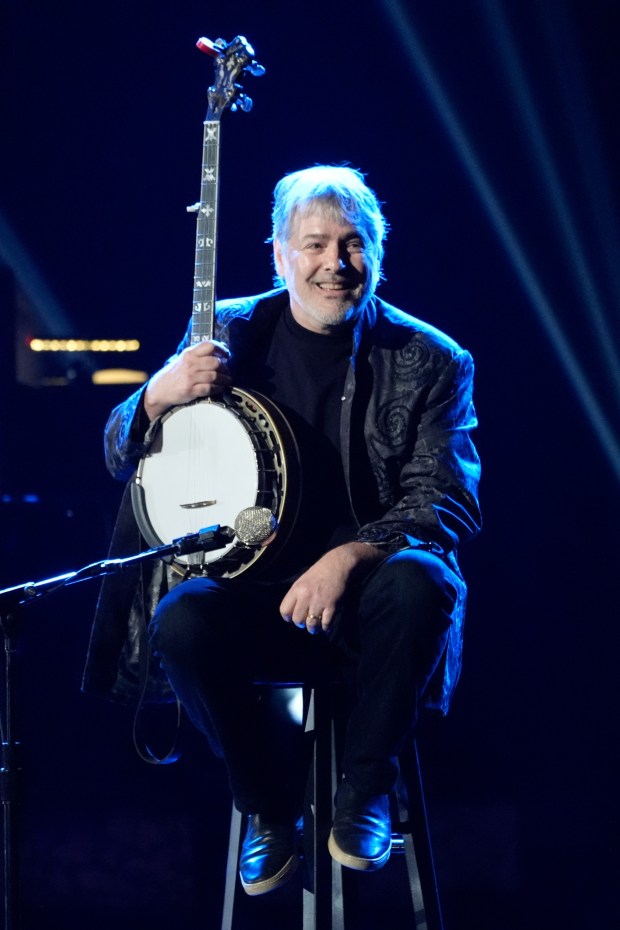 Bela Fleck and the Flecktones have appeared multiple times at the Boscov’s Berks Jazz Fest. (Associated Press)
What have I gained? I have had some of the best musical experiences in my life at these festivals. My mind has been boggled and my heart utterly captured by the genius of Bela Fleck and the Flecktones, the late Chick Corea, the young and exquisitely talented Samara Joy, the iconic Wynton Marsalis, and so many others. They have nourished me through these three-and-a-half decades, along with all the other excellent music I have heard and written about.
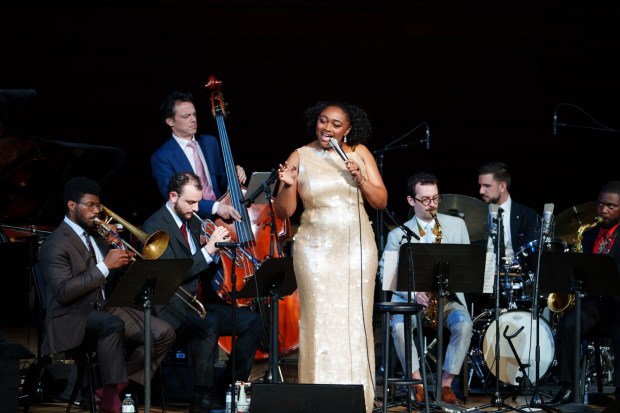 Samara Joy plays at Maison Symphonique during the Montreal Jazz Festival. (COURTESY OF BENOIT ROUSSEAU)
Best of all, I have had the enormous privilege of talking with many of these artists, who, I am convinced, are some of the best people in the world. When they speak of music, they are so passionate and dedicated, and they are eager to teach anyone who has the patience to listen.
What have I learned? That creating jazz is a special form of community. A jazz ensemble is a miracle of generosity, not only among the musicians, but between them and the audience. To watch an older jazz musician nurture a young one who is just getting started is to witness a holy act.
Jazz is sacred, after all — just ask Kirk Whalum, whose Gospel According to Jazz concerts have been highlights of several festivals. He is not simply a brilliant saxophonist, but an ordained minister whose spirituality infuses his performances, like so many others of his ilk. Jazz brings people of all kinds together. And we need it more now than we ever have before.