
I was told from a young age, “college will be the best years of your life.” As a 7-year-old who had just finished watching the new hit movie “Pitch Perfect,” I had high hopes. I pictured endless nights with my best friends, carefree laughter and truly having the “time of our lives.” Back then, college sounded magical, like a place where everything finally falls into place.
Fast forward to 2024, I’m a senior at Southern Lehigh High School, sobbing in my mom’s arms while staring at the tuition bill from the university I committed to, and realizing I might not even be able to afford college. She reassures me with a compassionate and caring tone, but I know she is stressed too, since she has already put my two older sisters through school.
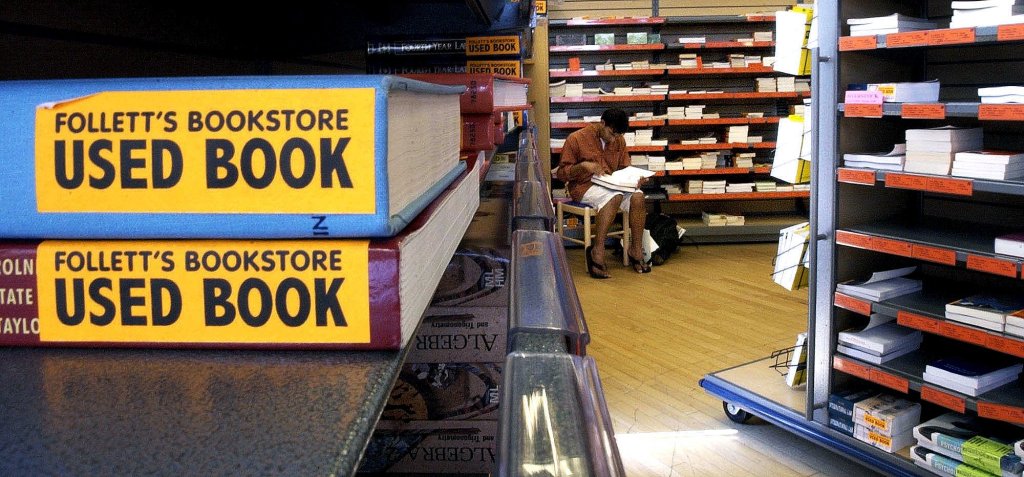
What people fail to tell you when you’re younger is how heavy college feels now. For past generations, college was still stressful, but it didn’t carry the same financial weight it does today. According to the data compiled by Forbes Advisor, the U.S. Department of Education’s National Center for Education Statistics revealed that in 1980, the average cost to attend a four-year institution was $10,231, including tuition, fees, room and board. From 2019 to 2020, that price increased by 180%, with an average cost of $28,775. Every passing year, tuition keeps rising, housing is more and more expensive, textbooks cost hundreds of dollars, meal plans add up quickly and the fear of student debt hangs over every decision.
College is no longer just about getting good grades or finding your passion; it’s about whether the money you invest will actually pay off. Every failed exam or tough class feels heavier when you realize that thousands of dollars are attached to it. If you fall behind or have to retake a course, that’s more money spent and more time added, making college feel less forgiving than ever. There’s an underlying pressure knowing that one wrong choice could cost thousands of dollars, and failing that class or changing majors could be a financial burden. Instead of learning freely and exploring different paths, a lot of students are just trying to make it through, worried that one mistake could turn their education into a financial regret. College now feels more like a risk than an opportunity.
But money isn’t the only thing weighing on students today, especially for a generation that grew up with the internet. Gen Z is constantly connected, yet still more isolated than ever. Making friends, networking or even asking for help feels harder because we’ve been conditioned to communicate through devices rather than real conversations.
A study from the International Journal for Multidisciplinary Research states, “While Gen Z’s mental health has received growing attention, researchers have highlighted a noticeable rise in antisocial behavior (ASB) among Generation Z, particularly due to the online environments.”
This shows up in college in ways people don’t always notice. Group projects become awkward and stressful because no one wants to speak up. Students avoid office hours even when they’re struggling because walking into a professor’s room feels intimidating. Some people eat alone in dining halls or stay in their dorms instead of building connections, not because they want to be alone, but because they don’t know how to reach out.
When you already feel overwhelmed by classes, grades and finances, that isolation only makes everything harder. College becomes not just academically challenging but emotionally exhausting too.
Some will argue that college has always been stressful, and they’re right. Every generation has faced its own challenges, whether it was the political climate, economic unpredictability or limited opportunities. And yes, many students still find joy in college from lifelong friendships, meaningful classes and moments that truly do feel magical. I’m not denying that college can still be a place of growth and opportunity.
But what feels different now is how all of these different pressures keep piling on. Previous generations didn’t face tuition prices this high or the feeling of being so isolated due to the digital world. Today’s students are trying to balance the overwhelming financial risk, academic expectations and a culture that makes genuine connection harder than it should be. When one mistake can cost thousands and asking for help feels intimidating, college becomes less about discovering yourself and more about survival.
So when people say college is supposed to be the best time of your life, it feels out of touch. College isn’t just about finding yourself anymore; it’s about whether you can afford to. Maybe college still has the potential to be the best years of our lives, but for Gen Z, it comes with a weight that makes those years harder to reach.
This is a contributed opinion column. Piper Gluck is a student at Thomas Jefferson University in Philadelphia. The views expressed in this piece are those of its individual author, and should not be interpreted as reflecting the views of this publication. Do you have a perspective to share? Learn more about how we handle guest opinion submissions at themorningcall.com/opinions.