
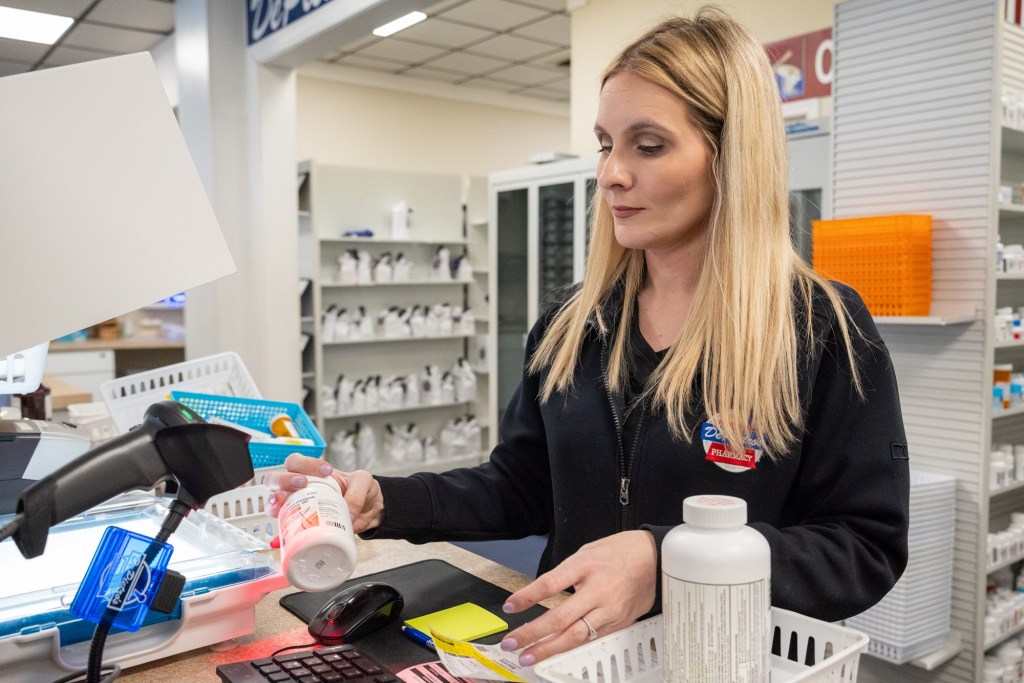
Tom DePietro compared the unpredictability of reimbursements from pharmacy benefit managers to visiting a casino.
“I liken it to sitting down at a slot machine and pulling the lever,” said DePietro, owner of DePietro’s Pharmacy in Dunmore. “It’s like saying, ‘Am I going to lose significantly or am I going to make a couple bucks on the prescription?’”
Specifically, the pharmacy received $5.34 to fill a prescription of Pantoprazole in January and the reimbursement dropped — without warning — to $2.46 in February, DePietro said.
“Say, for example, last month they paid me $8 to fill a prescription, well in February with no notice it can become $4,” he said. “What’s being left out is there’s no fair dispensing fee built into the reimbursement of a prescription to allow me to have enough profit to pay my staff to fill the prescription to begin with. We’re kind of just chasing our tail and it’s all because the pharmacy benefit managers continue to pay us less and less. There are only so many prescriptions we could fill at or below the drug cost before the inevitable happens.”
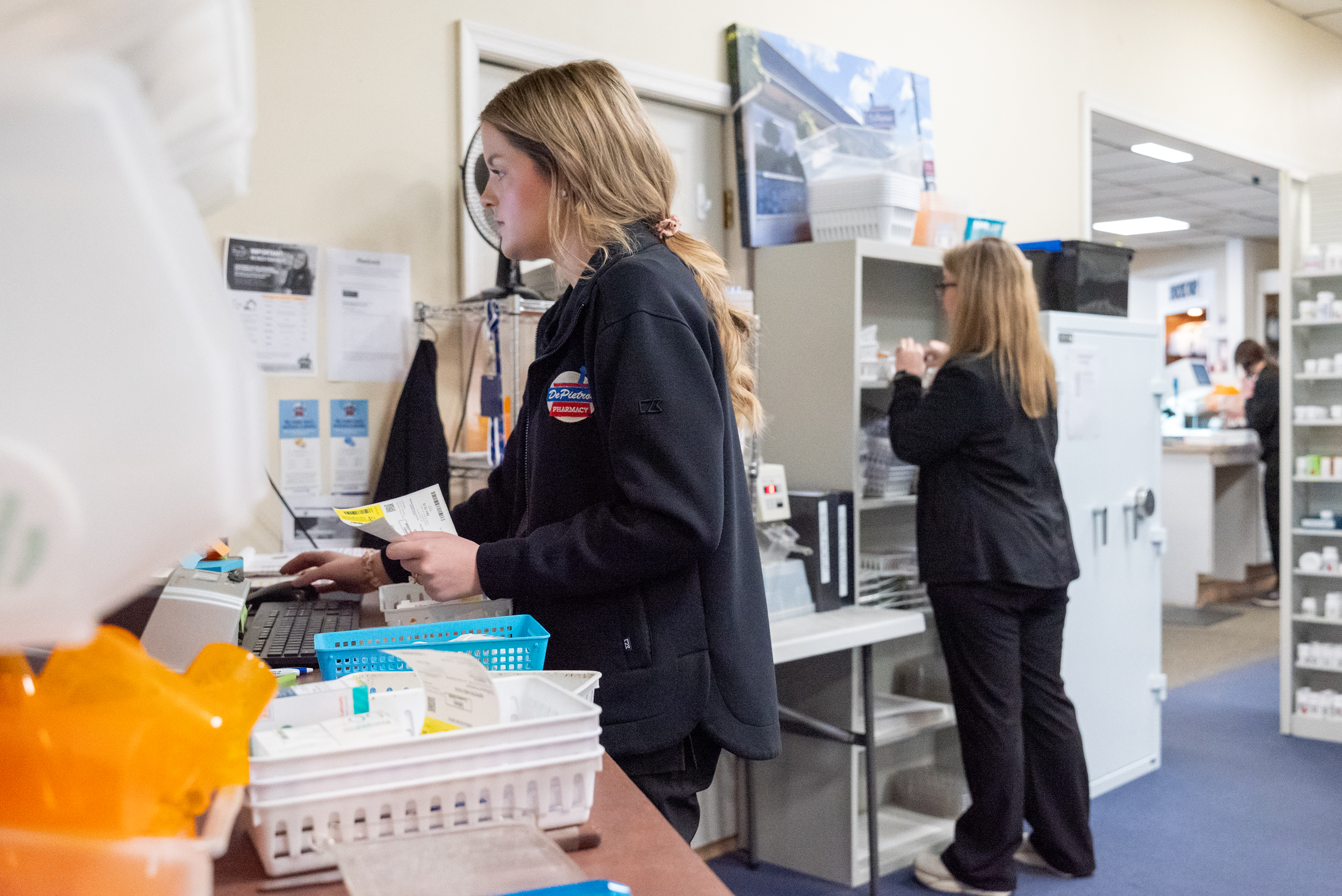
Pharmacy tech Sarah Connor, left, works at fulfilling customer’s deliveries at DePietro’s Pharmacy in Dunmore on Wednesday, March 04, 2026. (REBECCA PARTICKA/STAFF PHOTOGRAPHER)
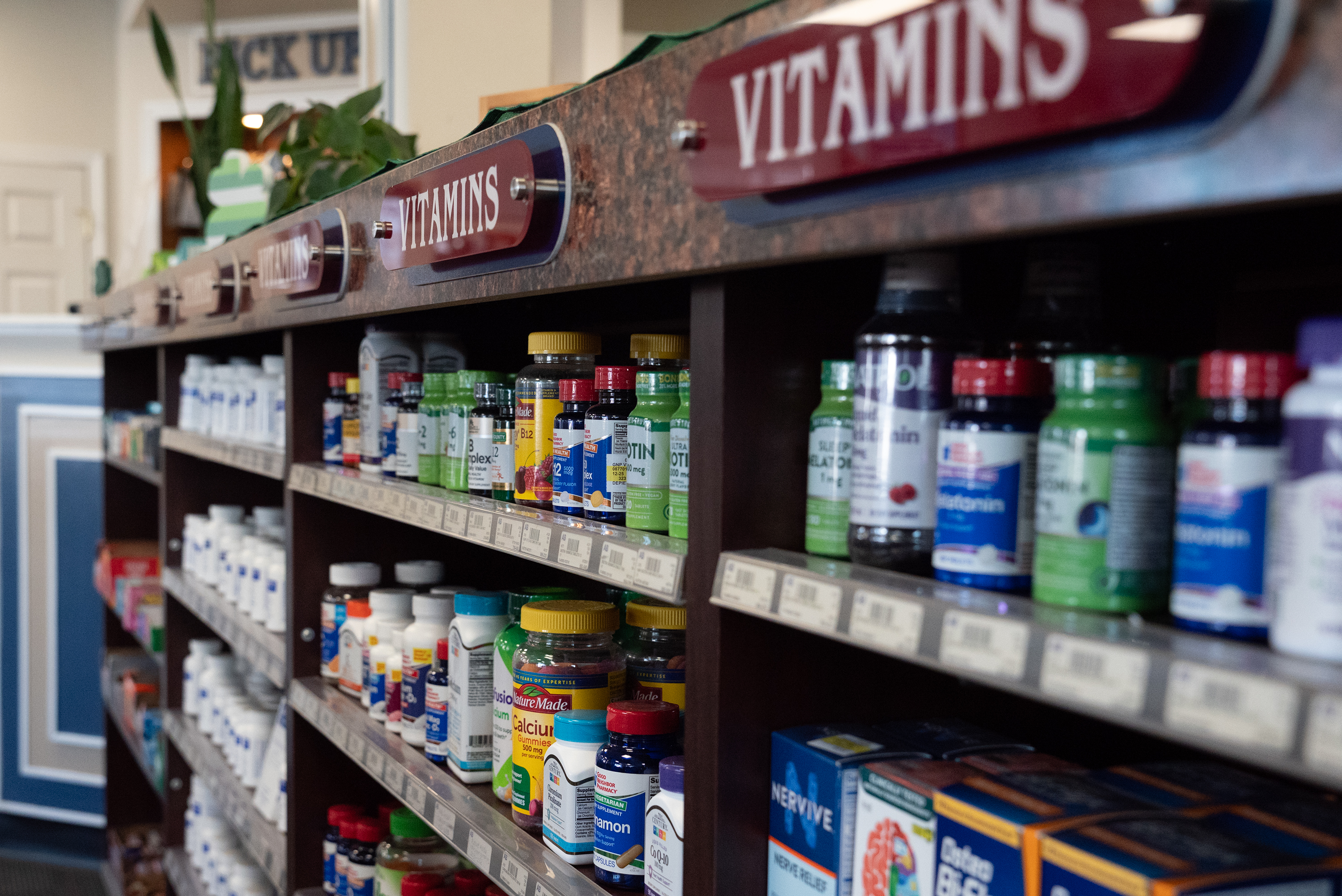
Over-the-counter vitamins at DePietro’s Pharmacy in Dunmore on Wednesday, March 04, 2026. (REBECCA PARTICKA/STAFF PHOTOGRAPHER)
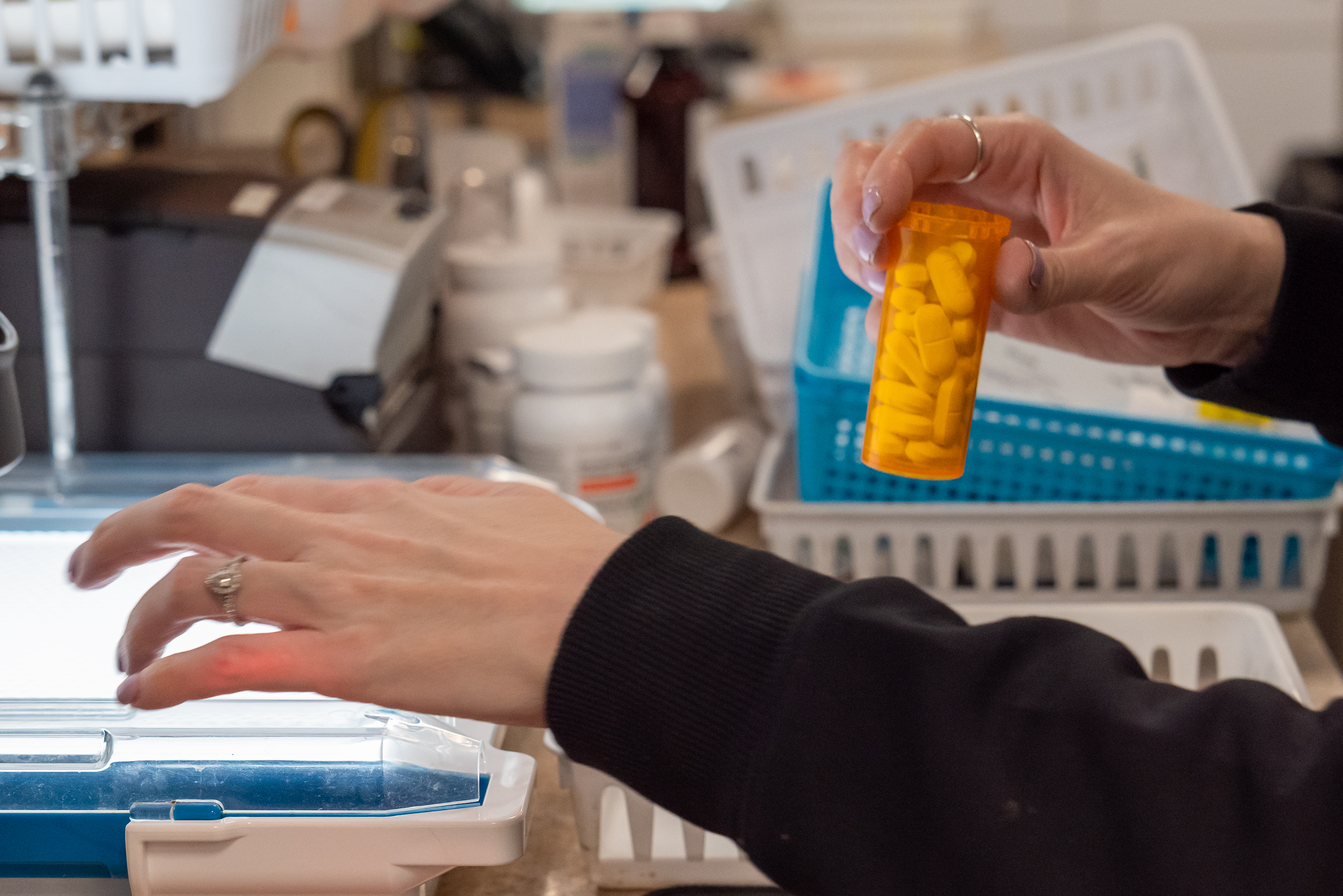
Pharmacy tech Kaitlyn McAfee fills prescriptions at DePietro’s Pharmacy in Dunmore on Wednesday, March 04, 2026. (REBECCA PARTICKA/STAFF PHOTOGRAPHER)
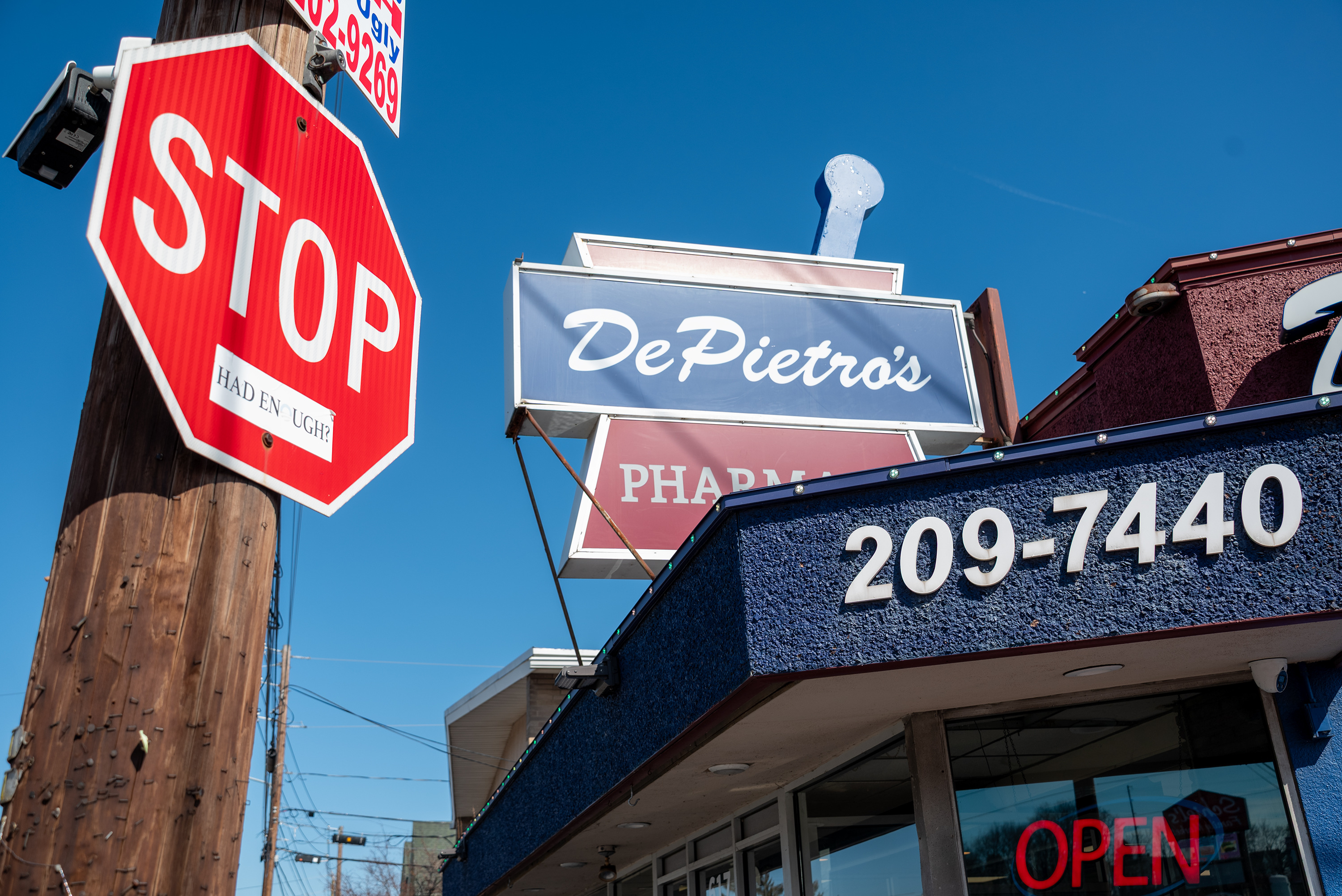
DePietro’s Pharmacy in Dunmore on Wednesday, March 04, 2026. (REBECCA PARTICKA/STAFF PHOTOGRAPHER)
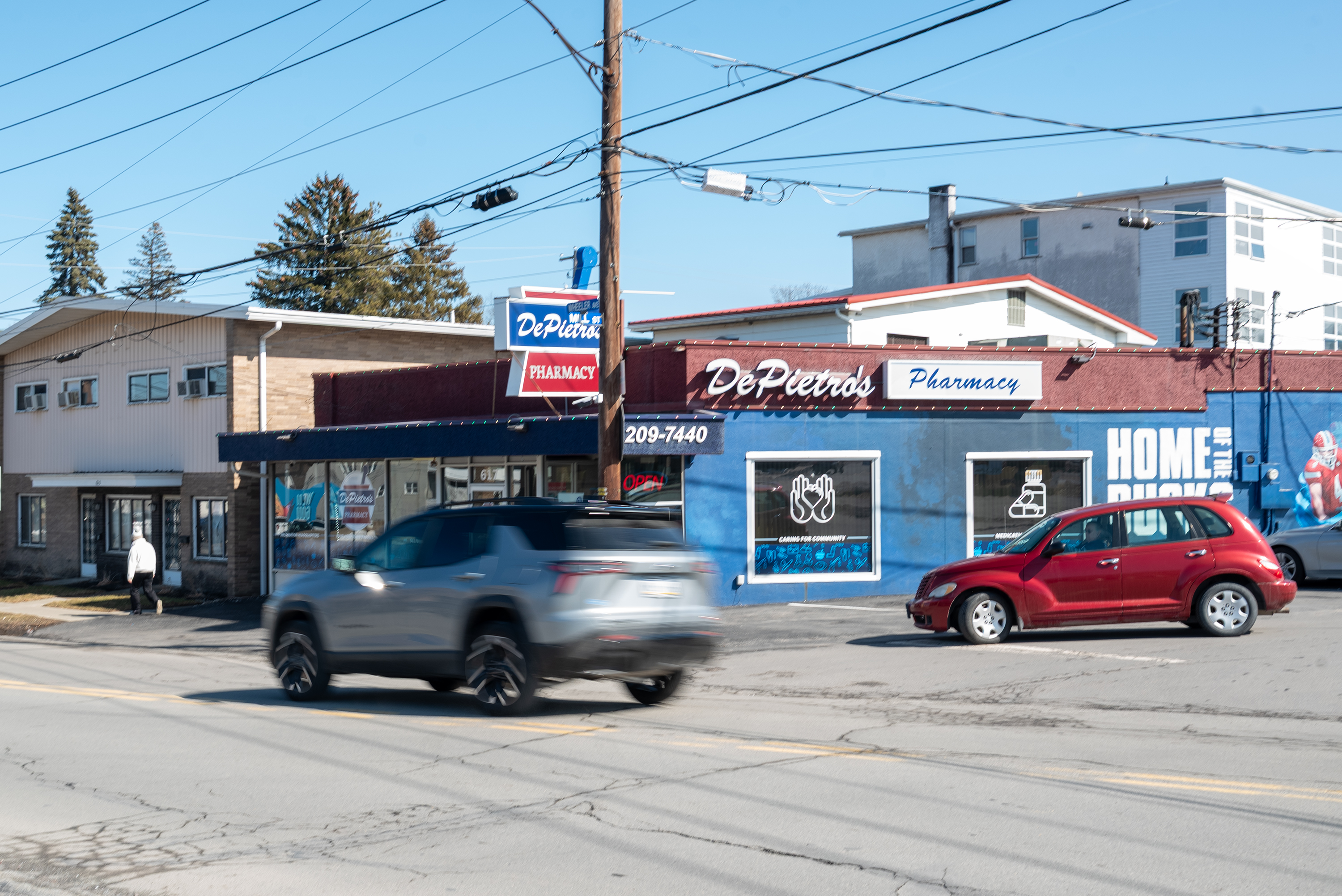
Vehicles travel past DePietro’s Pharmacy in Dunmore on Wednesday, March 04, 2026. (REBECCA PARTICKA/STAFF PHOTOGRAPHER)
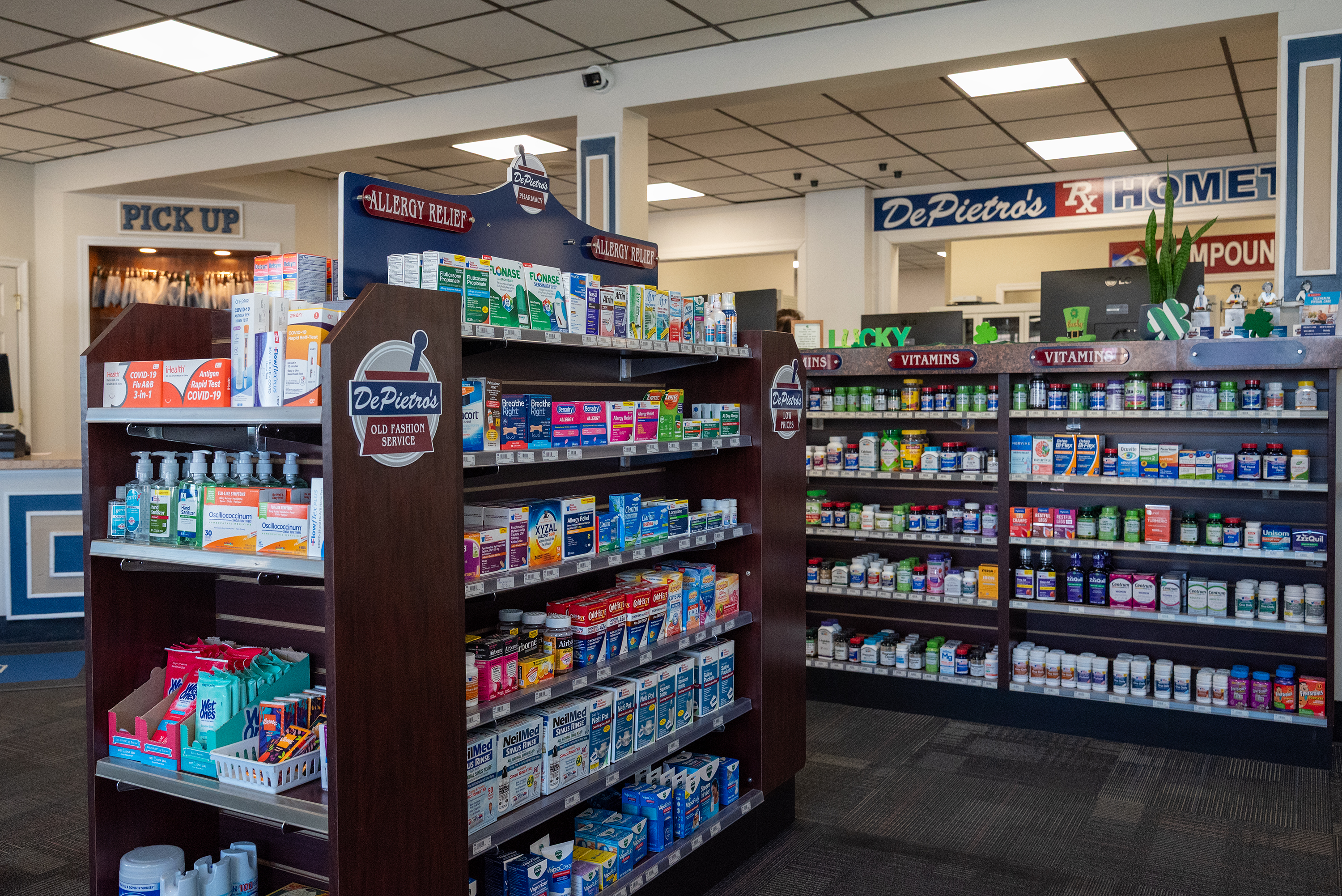
The inside of DePietro’s Pharmacy in Dunmore on Wednesday, March 04, 2026. (REBECCA PARTICKA/STAFF PHOTOGRAPHER)
Show Caption
1 of 6
Pharmacy tech Sarah Connor, left, works at fulfilling customer’s deliveries at DePietro’s Pharmacy in Dunmore on Wednesday, March 04, 2026. (REBECCA PARTICKA/STAFF PHOTOGRAPHER)
As DePietro’s and other independent and chain pharmacies throughout the region persevere through the challenges, Pennsylvanians for Protecting Pharmacy Access said more than 1,000 community pharmacies have shut their doors in the state since 2020.
Coudersport Pharmacy in Potter County noted pharmacies are closing at a rate of one store per day in Pennsylvania, according to a post on the business’s Facebook page last month.
Pennsylvanians for Protecting Pharmacy Access also expressed concerns about pharmacy deserts — defined as areas where residents no longer have reasonable access to a local pharmacy. The advocacy group — composed of pharmacists, patient advocates, health care providers and community leaders — created an interactive map of the state’s pharmacy deserts, available at protectpharmacyaccess.org.
The Pennsylvania Office of Rural Health stressed deserts exist in urban, suburban and rural areas. Additionally, more than 200 pharmacies operate in areas that will be added to the deserts if they close, the organization added.
“We’re seeing the pharmacy deserts grow in real time — the closures are there for everyone to see, and this crisis will only get worse unless Pennsylvania acts,” said Victoria Elliott, CEO of the Pennsylvania Pharmacists Association. “These pharmacy closures increase travel distances for basic care and put the health and well-being of seniors, low-income families and those without reliable transportation at risk. I definitely think without significant reform, like we’re seeing in other states, we’re apt to see that desert map grow even bigger.”
Representatives from Pennsylvanians for Protecting Pharmacy Access seek several reforms regarding how PBMs operate in the state, including raising the Medicaid dispensing fee, requiring fair reimbursement for all pharmacies, guaranteeing payment for pharmacist clinical services and a move to a single PBM for Medicare Managed Care.
Although DePietro’s welcomed an influx of new customers through the closure of the remaining Rite Aid stores in October, the added volume hasn’t boosted the company’s bottom line.
“We’re getting inundated with prescriptions, causing us to have to hire more, fill more prescriptions than ever, order more inventory than ever, but get paid less than ever,” DePietro said. “I didn’t open a pharmacy just to make money, but for me to operate a business I need to pay my staff, pay my bills, and pay my expenses so there has to be profit — which is the word nobody wants to hear. The business turns 14 next year, and for the past 13 years I feel like I’ve been advocating for fair reimbursement.”
While some legislation has been enacted to help pharmacies, and other policies will take effect down the road, each funding formula has its own rules and regulations, DePietro said.
“You have to be able to read between the lines,” he said. “You have state-funded prescriptions, federally funded prescriptions and commercial-funded prescriptions. Insurance companies basically have three books of business — medical assistance, which is funded by state money; the federal program, which is funded by federal Medicare dollars; and then commercial insurance through employers, which is private. It’s such a complex issue that nobody wants to see it through.”
DePietro’s expanded certain services to supplement income, including a bigger emphasis on vaccines as well as working with patients who don’t have insurance or have a high deductible, DePietro added.
“Some people are better off not even using their insurance to buy a medication,” he said. “Focusing on the cash-pay customers gives us the ability to work with them on the price. They save money and we’re making more than we are with the insurance companies. They are some of my early ways to plug the holes. But, as time goes on, there are only so many things you can start to charge for or increase your price until the customer says, ‘I’m sorry but I don’t want to pay that.’”
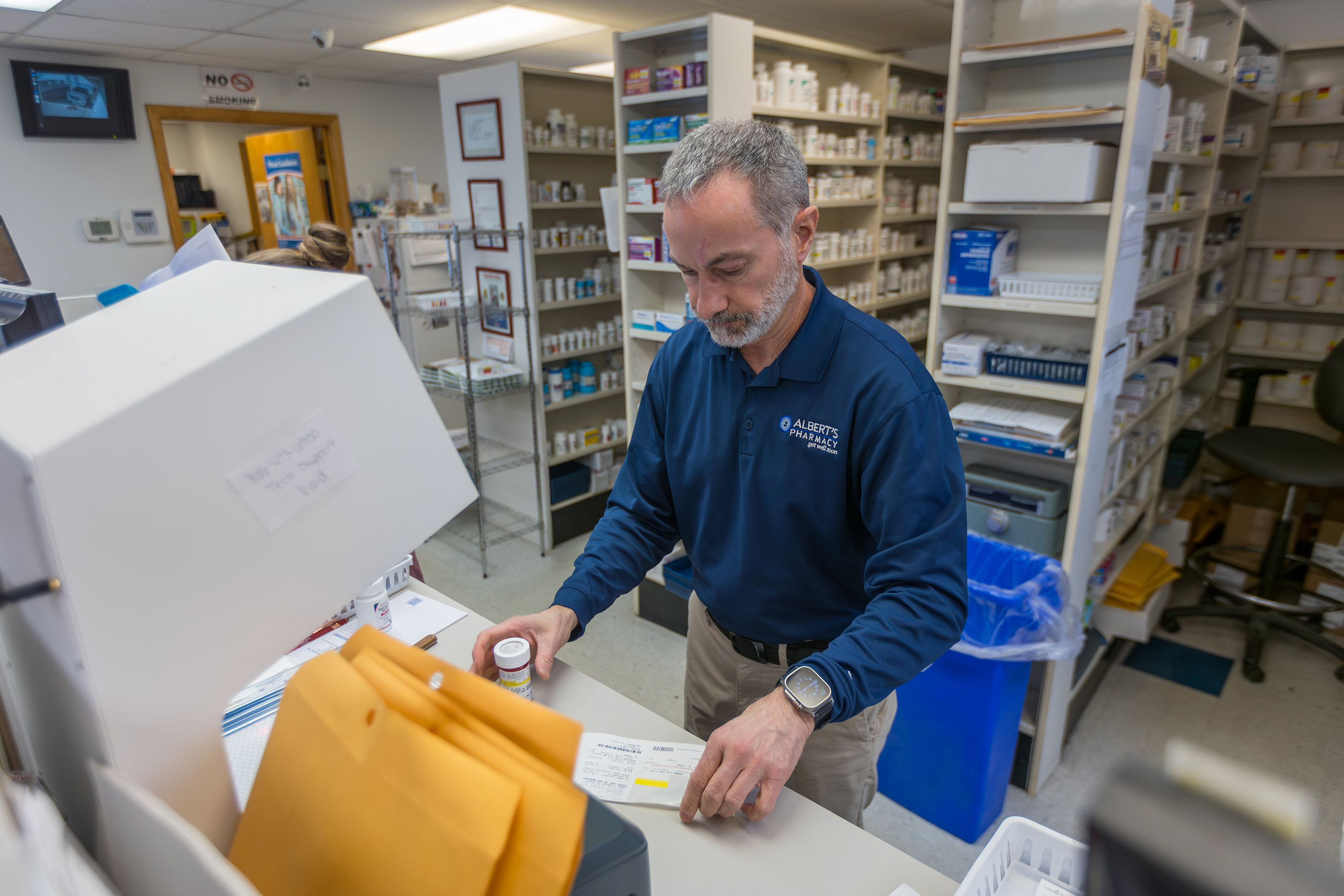
Joe Albert, owner of Albert’s Pharmacy in Pittston, fills a prescription on Wednesday, March 4, 2026. (JASON ARDAN / STAFF PHOTOGRAPHER)
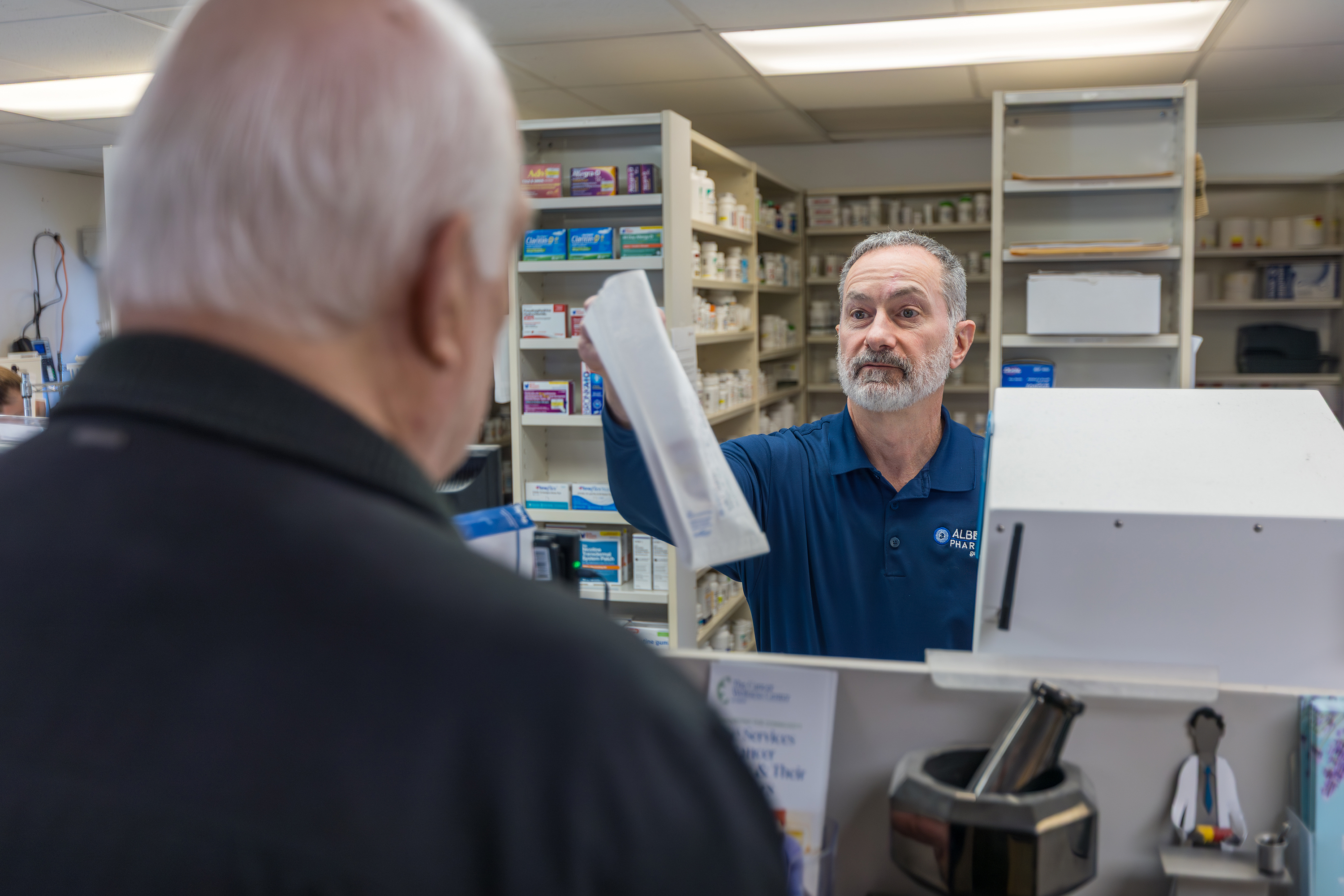
Joe Albert, owner of Albert’s Pharmacy in Pittston, hands off a prescription on Wednesday, March 4, 2026. (JASON ARDAN / STAFF PHOTOGRAPHER)
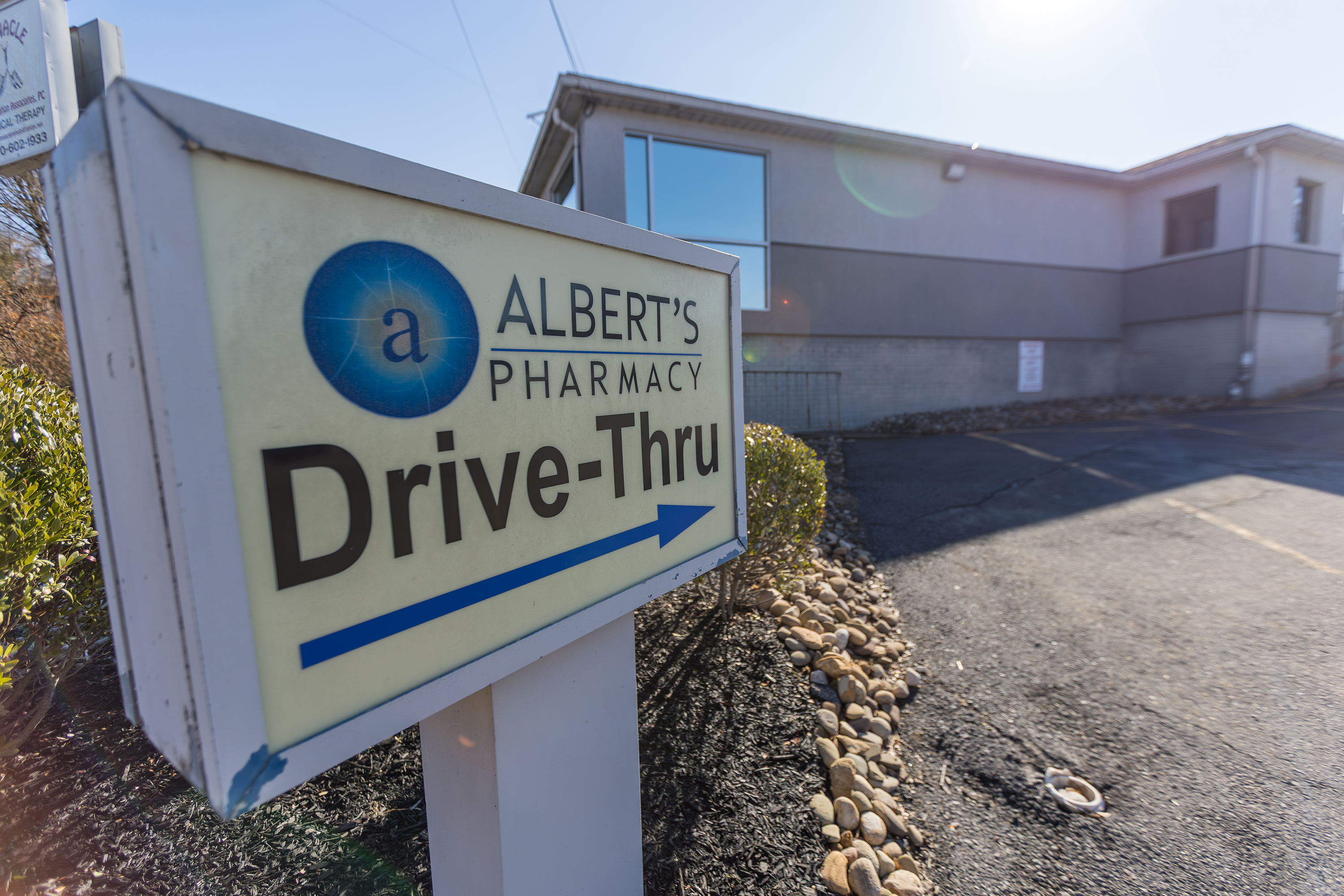
The drive-thru at Albert’s Pharmacy in Pittston on Wednesday, March 4, 2026. (JASON ARDAN / STAFF PHOTOGRAPHER)
Show Caption
1 of 3
Joe Albert, owner of Albert’s Pharmacy in Pittston, fills a prescription on Wednesday, March 4, 2026. (JASON ARDAN / STAFF PHOTOGRAPHER)
Pharmacist Joe Albert, who opened a store on South Main Street in Pittston in 2011 and another on North Church Street in Carbondale in late 2023, also blamed pharmacy benefit managers for a difficult 2025 in which several independents and a major chain, Rite Aid, went out business.
“They offer us take-it-or-leave-it contracts and reimburse below what the medicine costs,” Albert said. “There is only so long you can sustain things like that, and we saw it with Rite Aid last year. Unfortunately, they’re gone. We’ve been doing our best to pick up the pieces and help people with their medicines. We’re all trying to hold on until we can get to a point where it’s fair. They’re making billions of dollars and putting people like me out of business. In every other business, if you have more sales, you usually have more profit. In pharmacy, that’s not the case. It’s crazy that a business can exist that way.”
Albert continually looks for more ways to generate revenue, but certain restrictions can halt plans.
“We’ve all been trying to develop other services and get paid for it,” he said. “Unfortunately, Medicare, for the most part, doesn’t recognize pharmacists as actual medical providers. We’re trying to have them recognize us as providers so we can bill for things like diabetic education, clinical services and point-of-care testing, as a way to try to make up for lack of reimbursements.”
Albert remains appreciative of the continued support from customers throughout Lackawanna and Luzerne counties.
“It’s personal to me,” he said. “When my doors open up, and people come in, I’m thankful they support me. I still get joy from it, it’s just getting harder to make a living.”
Meanwhile, the closure of Rite Aid and Cook’s — an independent pharmacy in Kingston — led more customers to Sheehan’s Pharmacy in Plains Twp. in recent years, owner Chuck Obeid said.
“We’re lucky that we have a higher volume here,” he said. “There is no shortage of customers; the shortage is being reimbursed properly.”
Obeid believes locally owned pharmacies serve a vital role in communities and feels residents understand their importance.
“Every innovation came through an independent pharmacy,” he said. “Eventually chains and big business jump in and put their spin on it. As rough as it’s been, there are still plenty of independents in Northeastern Pennsylvania. I think, in general, Scranton/Wilkes-Barre has always supported local business. People are loyal, they’ve lived their whole lives here. Somebody who moves here from out of state is less likely to walk into the local independent because they have no bond to it. But if your grandparents and parents went to a local pharmacy, and had a good experience, you’re more likely to stay there.”
Elliott recognizes the intention of some legislation, but maintains more must be done to ensure the longevity of pharmacies — small and large.
“Act 77, passed in 2024 in Pennsylvania, had sort of a layered implementation process and it only impacts commercial insurance,” she said. “So, where Medicaid’s concerned — and a lot of our pharmacies are filling a good portion of prescriptions for Medicaid patients — there’s no enforcement. The crux of the issue right now for us is (managed care organizations) not adopting what CMS approved years ago as a $10 dispensing fee. So, on top of reimbursing the cost of the product at a reasonable rate, we’re also looking for some evenness to reimburse payment for pharmacists’ time.
“The Department of Human Services hasn’t enforced that across all managed care organizations that are managing that pharmacy benefit. We see some reimbursements as low as $3 and some up to $8 or $9, which is good, but not as good as it could be. That inconsistency is the struggle right now.”
Financial challenges led DePietro’s to begin charging for services once offered free, including delivery of medication and pill organization, DePietro said.
However, pharmacy officials still take pride in being a friendly, trusted resource in the community by offering free medication flavoring for kids and navigating families through tough situations.
“We build a relationship with our customers,” DePietro said. “Some of the kids started coming here when they were 4 or 5, and now we’re sponsoring their high school fundraisers. That’s what is at stake here — these relationships in every community that has an independent pharmacy.
“It’s not about just filling a prescription, it’s about having access to health care and access to your community pharmacist. We’re here to laugh with our patients, we’re here to cry with our patients. If you continue to peel away these pharmacies from communities, people don’t have anywhere to go.”